Vietnam is known to deliver quality, and with strength of over 6,000 manufacturing units, the country puts a lot of restrictions on minimum order quantity (MOQ) for garment and fabric sampling. Most factories don’t allow a buyer or business to order anything lower than 1,000 pieces. Then, there are some exceptions wherein few factories allow orders even for only 500 pieces. However, with the pandemic, the whole concept of MOQs on new samples has drastically changed, and with many logistics and other Government restrictions coming in, factories are becoming more conscious of minimum orders to cut losses.

“MOQ on new fabric sampling is a fairly newer concept, given that fabric wholesaling in India is a very native concept. Initially, it was all about exploring the wholesale markets, taking quotes from wholesalers, understanding fabric quality and then ordering some innovative fabric or adding some alterations to the existing lot to suit customer needs. With the boom of the internet and the readymade industry growing, the concept of sampling fabric has got reduced to ‘by the metres’. There was also a time when fabric manufacturers used to send free swatches for sampling purposes just in hope of getting orders. The system was not foolproof,” informs Avant Jain, Owner, Voil House.
Also Read: Kala Cotton: Weaving modern designs with a touch of tradition
The logic of quantity
A wholesaler for the last 2-3 generations, Voil House has mostly been dealing with the European market, and for decades now, they have worked on transparent principles of ordering, sampling or otherwise. Avant mentions that more than citing a huge figure of 100-200 or 1,000 metres for his overseas clients, he likes to ask them how much they are eager to spend on courier when ordering for fabric samples. Based on the amount possible to dispatch within the minimum courier bracket, they suggest metres to clients.
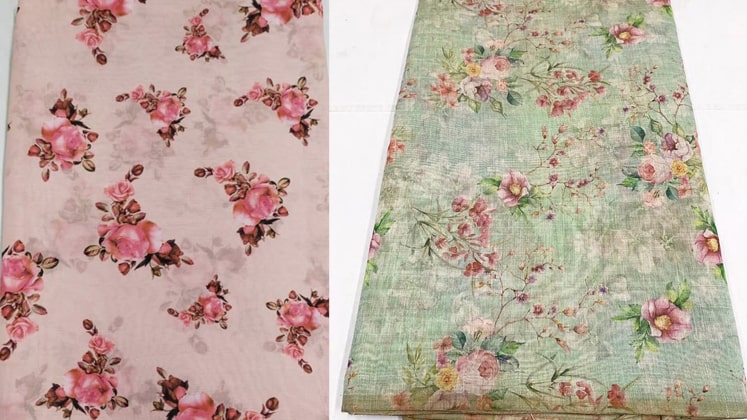
“If I’m couriering a 500 gram package to Europe, I see the logistics price and see how many metres I can pack in this measure. If adding a few more metres doesn’t hike up the price, I insist clients to increase their purchase cap. This always saves their cost of spending on two separate orders. We are transparent in our approach and don’t send free samples or go by the idea of selling 1-2 metres. Small businesses need support and that’s why to help the brand or retailer understand their designs better on varied fabrics, we allow them to sample a minimum of 5 metres for each type. However, realistically one 5-metre order doesn’t logistically suit the manufacturer. But, I’m confident that even on a small budget, serious business intention will make even a start-up buy above 20 metres. Given our years in the industry, we have realised that if a customer purchases fabric worth a garment’s length, they will surely come back for more,” underlines Avant.
“The concept of giving fabrics on smaller quantities for sampling is a bad habit that many wholesalers who have a retail front have created within the market. Logistically, for a wholesaler to offer smaller quantities is a loss in multiple ways. We store our fabrics in a big warehouse; getting someone to search a particular fabric and only bringing out a few metres of one particular fabric involves someone’s time and labour. Especially now, with social distancing norms in place, operating a warehouse for smaller quantity sampling orders is not a good idea. However, we do make exceptions for clients who are purchasing multiple designs in smaller quantities from our existing database. There is no absolute rule for how much we can sell on a minimum basis for sampling. But owing to the boom of start-ups within our domestic market, we want to support as many as we can. That’s why there’s no harm in bending the rules,” maintains Himanshu Jain, Chief Executive Officer, Manoj Fabrics.
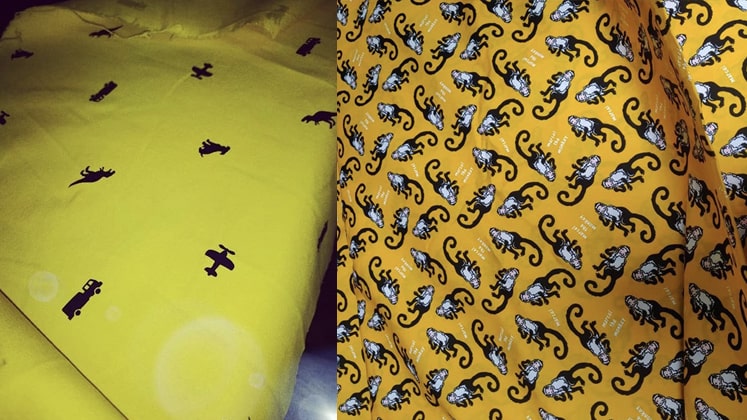
Himanshu also mentions that even though they want to help a budding clothing brand, sometimes it may not be possible to logistically offer wholesale rates on smaller sampling orders. However, they are likely to adjust the extra charge in consecutive orders. But trust plays a big factor within the industry and owing to an upsurge of export order cancelling, Himanshu notes that wholesalers within the industry have now shifted attention to the domestic market. This opens up the horizon for local brands, as they can now access export quality clothing on a competitive price. However, Himanshu is quick to mention that when design or fabric innovation is required, given the pandemic and downsizing of export orders, they wouldn’t mind helping a new domestic client on a good rate. But, the same is only done factoring in the labour and infrastructure costs.
Also Read: Will hand embroidery take a back seat in the post-pandemic world?
Working with people at grass-roots level
While wholesalers and fabric manufacturers operating with big infrastructure play it by the ear and make sampling exceptions, working with the handloom and handmade industry is a totally different ballgame. “First and foremost, we understand the weave and iterations possible with the weaves we work with. The idea is always to get something new for the customer, but maintaining the traditional look and design is also important. The investment on each project is then decided basis the demand for that particular weave. We also do recurring surveys with our customers that help us understand the market better. Each collection takes almost a month to get ready, so needs advance planning. We work with weavers directly for our fabrics and they are not very comfortable to experiment beyond their regular design and colour. Also, for a smaller brand, quantity plays a negative impact in working on something new,” comments Ritu Oberoi, Founder, Forsarees.
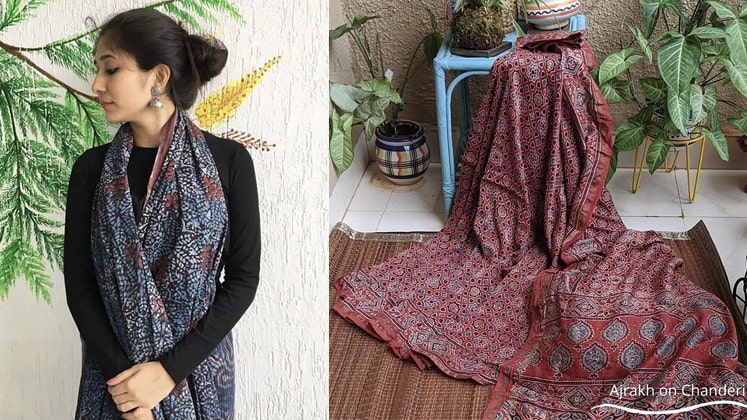
She emphasises that when dealing with weavers, bulk orders are a safe bet. Even when offered a fair price, quantity plays a crucial role. Many weavers and handloom units don’t even permit small batches of sampling and don’t allow purchases lower than 60-100 metres for a new design. In fact, a handblock unit owner Niyazudin from Jodhpur highlights that he has never worked on smaller orders for new block designs. “Now with the pandemic, we have become more conscious of this. Our export bulk orders have stopped and with the units staying shut for a long duration, we are navigating through a lot of losses. It is no more just about paying for the blocks, new design, new colour, and labour included does not permit us to allow customers to experiment with a design on just 10-20 metres of cloth.”
Ritu highlights, “We have invested a lot of time and energy in few weavers from the beginning, and hence, the terms are fluid with them. They understand our intentions of working for betterment of the community rather than making quick bucks. So, with our network of weavers, quantity with respect to experimentation is not a problem. But with new zones and clusters, it is still and issue.”
The brand Forsarees was born out of sheer passion for sarees. Ritu works with rural artisans to bring handloom sarees and handicrafts for urban customers. They are on a trip to make weaves of India a popular choice for all generations. They are associated with almost 200 weavers across the country and indirectly impacting more than 500 in the weaving communities.
Also Read: Every bit counts: Redirecting fabric waste to craft new products