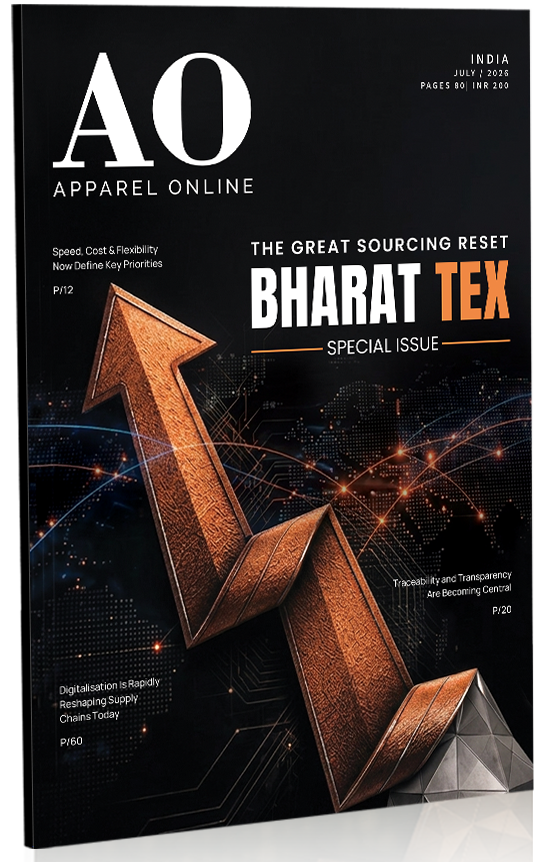
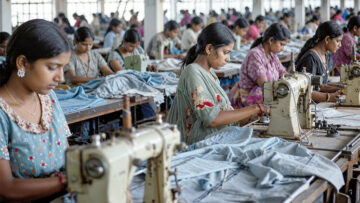
The resurging textile sector, which played an important role in the pre-independence economy, is expected to create nearly 2,700 jobs along with more indirect employment. The Economist Intelligence Unit (EIU) specifically indicates that the refurbished and modernized África Têxtil, Textang II and Satec factories are a positive step to diversify the Angolan economy, even though those projects are not large enough to substantially alter the economic growth forecast. Besides importing machinery from Japan, South Korea and China, the government is also encouraging cotton planting. A new area comprising 74,000 hectares and partly financed by South Korea is planned in Kwanza Sul – once the centre of cotton production. The Agriculture Ministry aims to achieve annual production of 100,000 tons of cotton, 40 percent of which from small producers and the rest from large plantations.
The three restored textile factories in Benguela, Luanda and Kwanza Norte will start operating at the end of this year. Plans call for two new factories to be built in 2015. All these efforts are sure to diversify the Angolan economy and remove the stress from raw materials especially oil.




 Bharat Tex Special Report 2026