The Confederation of Indian Textile Industry (CITI) has called for the inclusion of the spinning segment under the proposed Textile Expansion and Employment Mission (TEEM), arguing that such a move is essential to enhance the global competitiveness of India’s textile and apparel sector.
TEEM was announced in the latest Union Budget by Finance Minister Nirmala Sitharaman as part of an integrated programme aimed at driving growth in the textile industry. The scheme is designed to modernise traditional clusters through capital support for machinery, technology upgrades, and the establishment of common testing and certification centres.
The industry body warned that the absence of parallel modernisation in spinning could lead to supply misalignment within the domestic value chain, increased dependence on imported yarn, and a loss of value addition within the country.
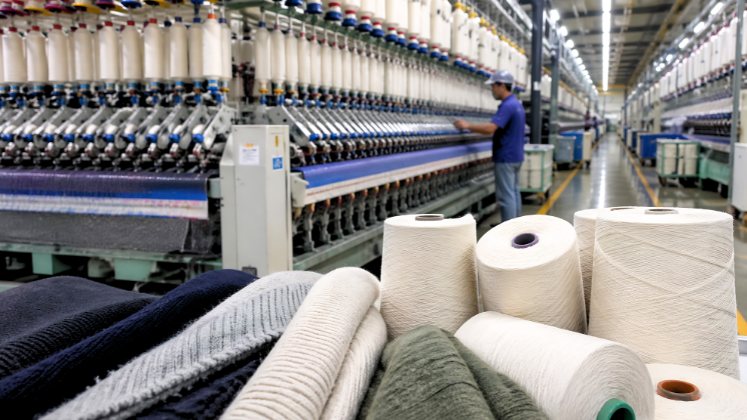
According to industry estimates, nearly 25% of India’s installed spindle capacity remains idle. This underutilisation is attributed not only to subdued demand but also to technological obsolescence, high energy intensity, lower productivity levels, and limited capability to produce value-added and specialised yarn required by modern downstream segments.
A recent report found that the pace of expansion and modernisation in India’s spinning industry has slowed significantly and remains below the replacement levels needed to keep pace with global technological advancements. In 2024, modern spindles—defined as equipment less than 10 years old—accounted for 26% of India’s total, compared with a global average of 33%, and lagging behind key competitors such as China at 40% and Vietnam at 38%.
Cost comparisons further underscore the need for modernisation. The estimated cost of producing yarn in a modern mill stands at Rs. 1.2 (US $0.013) per count per kilogramme, compared with approximately Rs. 1.8 (US $0.019) per count per kilogramme in mills that are a decade old. Adoption of modern technology can increase productivity by 25%, improve quality by 20%, reduce power consumption by 15%, and enhance raw material realisation by 1.5%.
CITI Chairman Ashwin Chandran stated that including the spinning segment within TEEM would improve efficiency and ensure that upstream capabilities are aligned with downstream expansion strategies. He emphasised that while the mission is expected to act as a catalyst for growth in weaving, processing and garmenting, these downstream segments would require a consistent supply of high-quality, specialised and sustainable yarn.