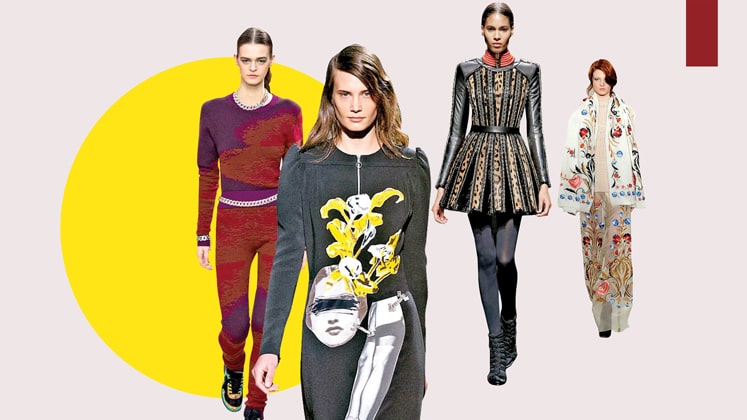
A new season brings with it fresh inspirations from around the globe and influences that affect culture, art, music, economy, architecture and in turn fashion. There are looks that represent classic silhouettes with clean cuts and sharp structures with hints of asymmetric draping and modern patterns. The prints vary from one another as there is a mix of abstract shapes, the emergence of traditional motifs seen with illusionary effects and disorderly out-of-focus ones. The upcoming winter calls upon more vibrant shades than usual, while it celebrates the classic maroons, olives and greys, and also touches upon a new fluorescent category. FFT lays down the five most prominent themes that will translate into trends in A/W’15-16…
MIXED MEDIA
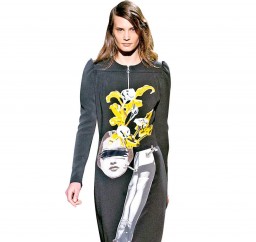
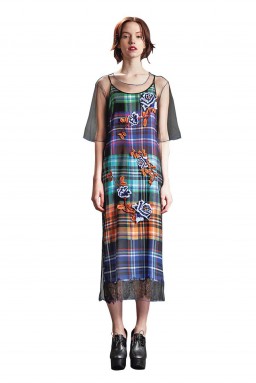
The urge to give birth to something unique, which is a step ahead of the known, expresses the philosophy of mixed media in the best possible light. Diverse textures of oil paint, textiles, vinyl, wood and sculptures are being layered to symbolize a kaleidoscope of ideas. Transgressing from multi-textured and complex works of found objects on canvas, new modes of visualization of media and other technology – video and photography, sculpture and photography, painting with video – are now being merged to explore new expressions and emotions that are reflected through such unexpected and unpredictable pairing. While turning flat surfaces to a third dimension has enveloped most artists’ developing mixed media art, there are a few who have chosen the skill of making a three-dimensional subject appear as a two-dimensional by turning the human body into a live canvas to paint on and then capturing it through a photograph to collapse depth.
SPANISH INVASION
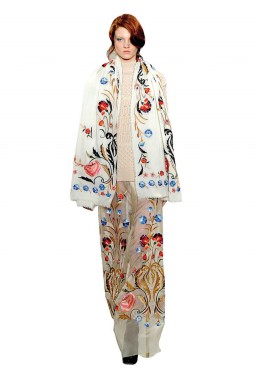
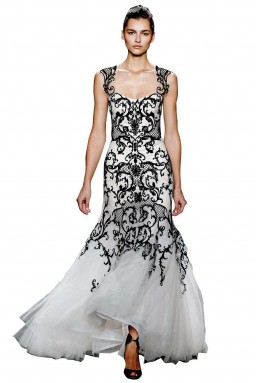
From the land of flamenco, football and bull-fighting; golden metal thread embroidery, jewel embellishments and black beadwork are about to become the techniques for the coming season. Picking the incredibly bright shades from the palette of Spanish culture, the designs get a contemporary twist as the motifs get simpler without losing their inherent charm and ethnicity. Highlighting the playfulness of the dance activities and lifestyle of the Spanish populace, the patterns draw inspirations from baroque and neoclassical architecture. Bringing back the aesthetic of dark baroque, the play of gold, silver and metal embroidery gets amalgamated with miniscule appliqué variations. Vibrant sequins, tiny glass, iridescent beads and glitter is adorned over veils, layers and velvets in elegant, neat and supple patterns. Continuing the tradition of the Spanish province, embroidery stitches like basque, buttonhole, chain, running, long-legged, cross and French knots, decorate silks in motifs with Islamic influence.
CONTEMPORARY AFRICA
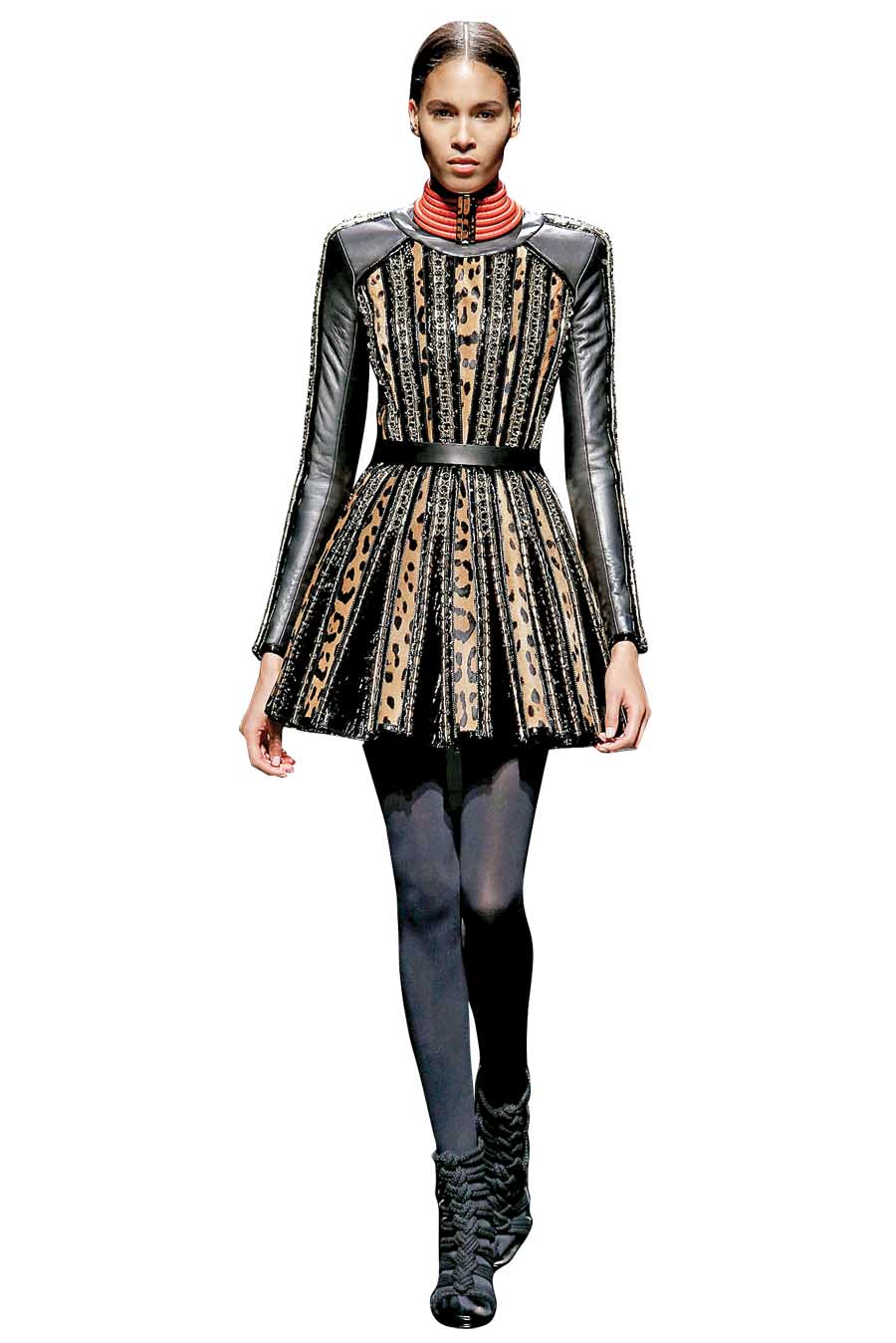
Breaking the demographic clichés of being tribal, ethnic and exotic African sensibilities serve as an inspiration for global fashion now. As Africa diminishes its political borders and invites manufacturers from other parts of the world to set-up manufacturing units on their land, trends for apparel and related goods pick-up a cue from the surrounding African art and incept a comprehensive trend of Afro-futurism. When traditional maasai figurines, tribal masks, tattoo patterns and influences from Ethiopia, Ghana, Nigeria and Somalia, get incorporated with the modern and western silhouettes, the prints and designs also get westernized in bright shades. Intricate beadwork, fringing, thread embroideries and “Adire” tie&dye techniques, compel the previous monotonous chevrons to step aside and give way to an African tribal trail. Contemporary geometric prints with clean lines, shapes and characteristics borrowed from the Bauhaus School of Art merge with the naive tribal ethnicity to put forth refreshingly unique variety of prints.
THE GIFT OF GLITCH
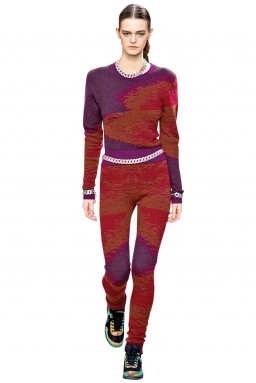
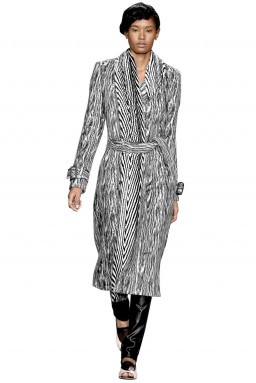
A sudden break in a perfect pattern, a series of dark shades subdued by a bright splatter or an almost perfect circle with a slight bend along the circumference, these are nothing but unnerving visuals of a malfunction to the human brain that is accustomed to receive faultless structure from the machine it programmed. But, it is the uniqueness of this malfunction that has made ‘glitch’ an art-form. Glitch is an unintended, spontaneous and incontrollable reaction to a stimulus in any IT enabled gadget or machinery. Glitches have been seen in the form of graphic noise, pixilation, dead pixels, superimposing patterns and unstructured splits. The work of Phillip Stearns is widely recognized in the field of glitch art. He has managed to bring out glitches to the field of apparel as well. Following in his footsteps, for A/W’14-15, the workshops of Chanel, Hussein Chalayan, Josh Goot, Custo Barcelona and Creatures of the Wind have produced weaves, knits and prints shone with the intrinsically flawed beauty of the art-form.
KALEIDOSCOPIC VISION
In the darkness of the human mind, rests a fantasy to taste the forbidden fruit – to unhinge from mundane reality and delve into the secrets of the surreal and the unexplained. Kaleidoscope – a cylindrical peep-in form that expansively reflects the beauty of objects placed randomly or strategically in it. Viewer guides, contraption follows – making the kaleidoscope a power tool, passing the reign of control into the hands of its viewer, encouraging him to explore. Beads, bits of metal, glass or an assortment of all come together to form varied patterns as the viewer tilts or rotates the simple yet, smart contraption. Kaleidoscopic elements in apparel are reflective of this sensibility – glimpse of mirroring weaves, prints and embroideries in patterns ranging from floral to tribal, seen on the runways of A/W’14-15. An extension of the trend for A/W’15-16 would be an incorporation of the abstract. Abstract designs woven, knitted, printed or embroidered on apparel would represent the thoughts of the wearer.