 Over 120 delegates from the lingerie and swimwear sectors attended the recent Association of Suppliers to the British Clothing Industry (ASBCI) seminar, organized in partnership with De Montfort University and Lingerie Buyer magazine, to interact with some of the most influential retailers and brands who united in a bid to improve bra ‘fit’ standards.
The seminar entitled ‘Shaping up for lingerie & swimwear – Defining the challenges, exploring the solutions’, brought together 10 eminent speakers and an expert panel from the medical, contour fashion, sizing, design, brand, retail and technology sectors to share their expertise with the wider industry.
Speakers were responding to a recent Which Report? on bra fit that found less than one in three consumers receiving the correct sizing and fit advice when purchasing a bra. In response to the report’s findings, ASDA’s George Clothing used the seminar to launch a new Bra Retailers’ Association (BRA), aimed at getting retailers and brands to share their expertise in a bid to create a consistent UK bra size and fit standard.
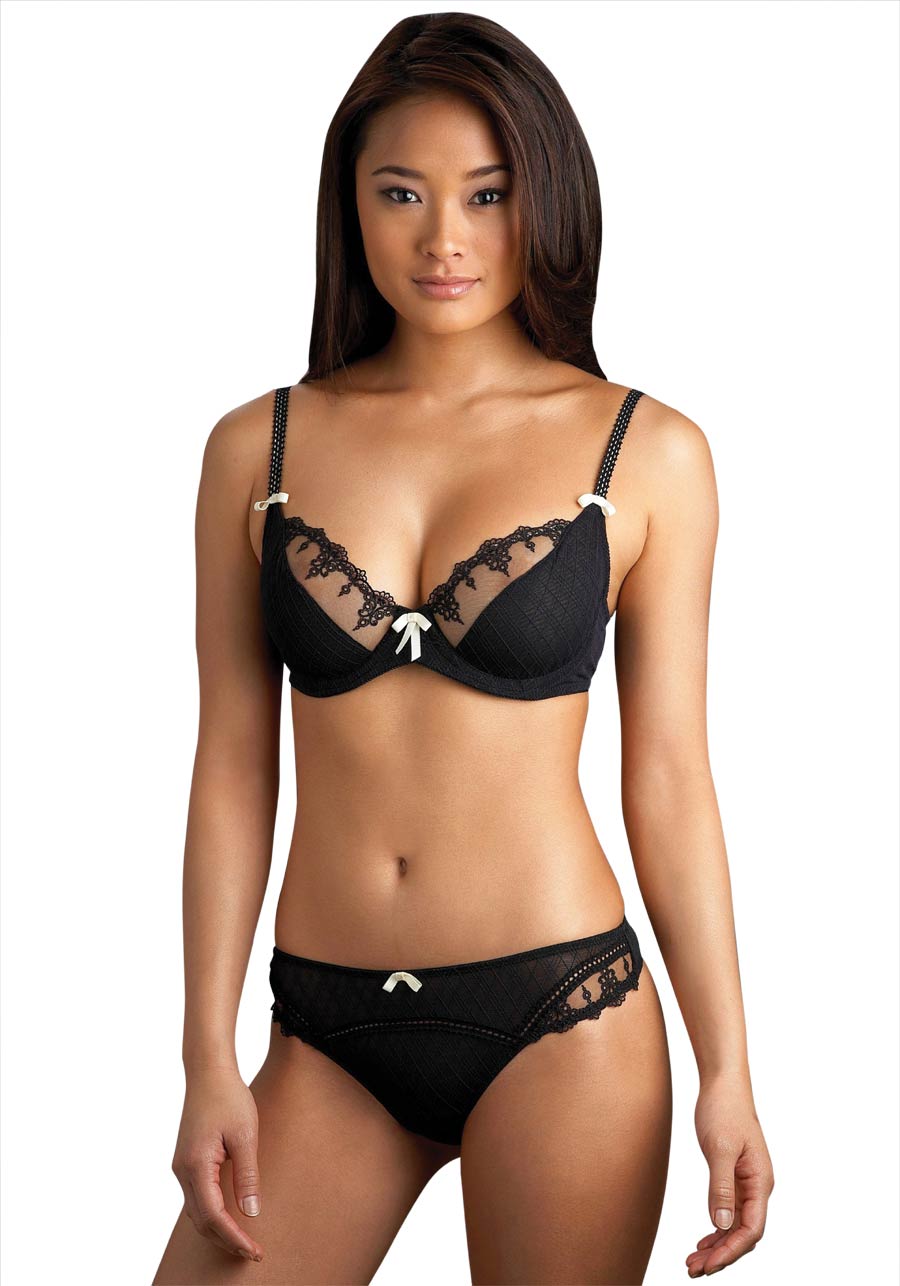
[bleft]It is important to discuss the fit and sizing of bras before purchasing the right size of bra. To ensure the perfect fit, one needs to be measured in three places: Underneath the rib cage; at the apex of the bust; and underneath the arms above the breasts. [/bleft]
Laura Savery, senior lecturer at De Montfort University within its contour department, detailed the findings of the Which? bra fit report on which she was involved as an expert.
The report ‘Bra Fitting? No it Isn’t’ (published in Feb. 2010) focused on the in-store service and advice given to larger breasted women, concluded that a total of 70 fittings were assessed against a set of measured criteria, for example correct underband fit and cup capacity, 18 scored zero. The challenge is first to have staff training when it comes to bra fitting and to ensure that every fitter impart advice and recognizes every customer as individual.
Responding to the report’s findings Karen Flude, ladies’ garment technologist lingerie & swimwear with George Clothing, explained: “Women are at best confused and at worst angry with the conflicting sizing and fit advice they receive when purchasing a bra in a high street store. The result is customer complaints, customer returns and lost business.” It is time she told delegates to “work together to turn our reputations around” and create a “fit assured bra” standard for UK cup-sized apparel. She stressed that brand individuality could be achieved through colour, style, fabric and trim variations.
She proposed that BRA should offer members a “starter pack” containing base shapes and patterns, fabric advice and a “sourcing bible” of suppliers who share BRA’s commitment to a fit standard. Consumer focus groups, information packs for schools and customers, a BRA kitemark in addition to a PR campaign would be driven by BRA and its members. She concluded: “We need to standardise our base-sized models… share our innovations and customer information. Communication is critical… but we owe it to our customers to get off our high horses and give them what they want.”
Julie King, ASBCI event director and head of department fashion and textiles at De Montfort University who chaired the seminar agreed: “The lingerie industry needs to work together and get involved in a larger debate to achieve a standard fit that will give customers what they want.” She explained that the UK women’s average bust size has increased by 30 per cent since 2003 from a 34B standard size to a current 36D cup and that a staggering 80 per cent of women are wearing the wrong sized bra.
Ed Gribbin, president of Alvainsight a division of Alvanon and a world authority on sizing and fit, acknowledged the problem. “85 per cent of consumers complain that they cannot find a bra that fits properly,” however he cautioned ‘fit’ is a complex issue when it comes to both bras and cup-sized swimwear. Consumer focus groups have shown that comfort, support and functionality only accounted for 30 per cent of women’s perception of ‘fit’ while 70 per cent thought it ‘fitted’ if it made them look attractive: “Consumers will put up with pain if it makes them look good,” he said.
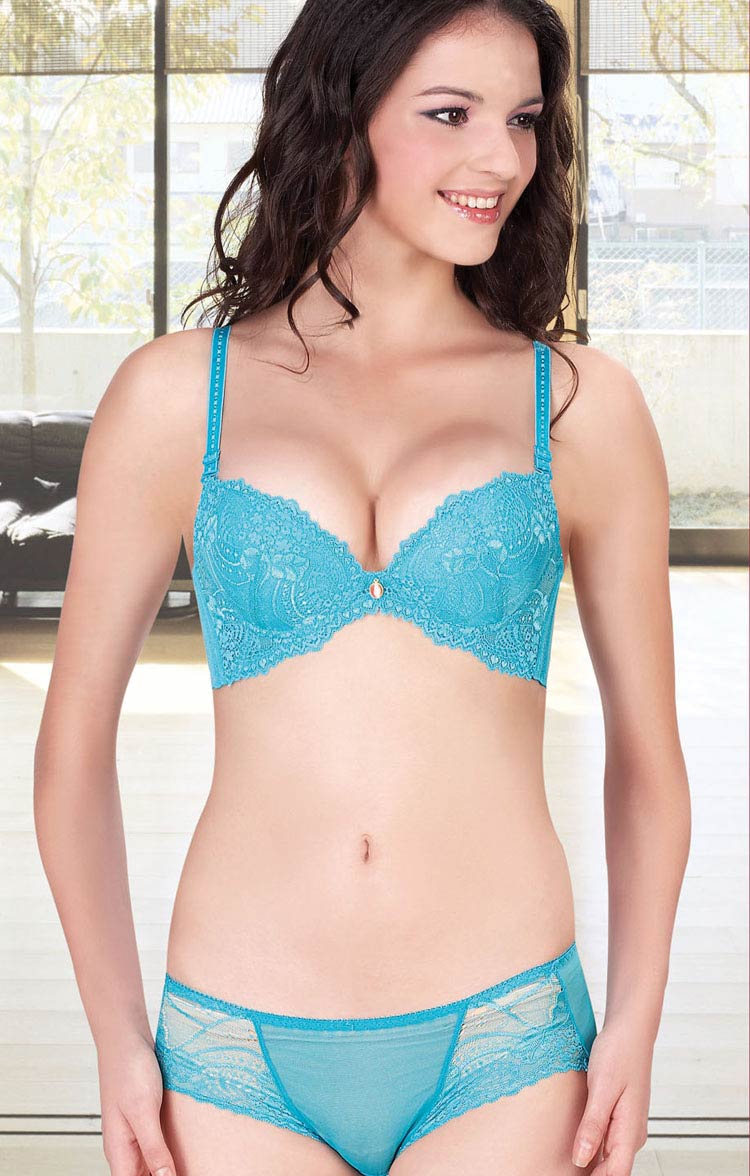
Furthermore he explained sizing is no linear issue and upsizing a standard 34B sample size linearly will not work – indeed this is where so much inconsistency in sizing originates as different suppliers use different grade rules. “One set of grade rules will do more for sales than nearly any other solution.” High level of training is required and maintaining continuity of brand as “no two companies which make the same size are exactly the same”. He concluded that by deploying “focused” consumer research and standardised tools, processes and training, both bra and swimwear suppliers could achieve consistent “technical fit integrity”.
Atul Khanna is one of the UK’s foremost breast health and reconstructive surgeons with the Sandwell and West Birmingham NHS Trust and the Walsall Manor Hospital NHS Trust in addition to a private practice. He cited a British Journal of Plastic Surgery report (2003) in which 99 per cent of women seen by clinicians were wearing the wrong size bra – the outstanding 1 per cent wore no bra at all. He currently receives up to three referrals per week for patients requiring breast surgery for medical reasons in addition to cosmetic breast enhancement procedures.
Indeed Khanna believes the lingerie industry is too “unidimensional” in its breast measurements and does not take into account the breast size, shape or droop nor does it take into account the breast height or width. It just takes into account the measurement of volume based on the level of the chest/breast and this is the reason why it is “unidimensional”. He suggests it should adopt breast volume and multi-dimensional surgical measurement practices to inform its bra sizing and fitting practices.

Linda Bentley, national account manager, mail order for DB Apparel UK, DBA, demonstrated just how pivotal “consumer insight” is in driving product development for its Playtex, Wonderbra and Shock Absorber brands. DBA bases all of its bra design and development on the feedback it receives from its consumer focus groups. Its extensive research shows that in addition to owning 15 bras the average woman purchases bras for different reasons. There is the “occasions” and aesthetic driven purchase or the “needs-based” and functional purchase with the majority of women buying a mixture of both. Trends in fashion colours, fabrics and lifestyle demographics also matter, informs DBA designs and marketing campaigns.
DBA has launched Wonderbra – Ultimate strapless bra 10 months ago which came from a focus group – the ladies wanted strapless bra which stays up as long as they do. It has unique hand tech support, silicone bands for added hold and wide bottom elastic for extra support. The hand shape inside gives a structure to lift the weight of the bust, support and great cleavage.
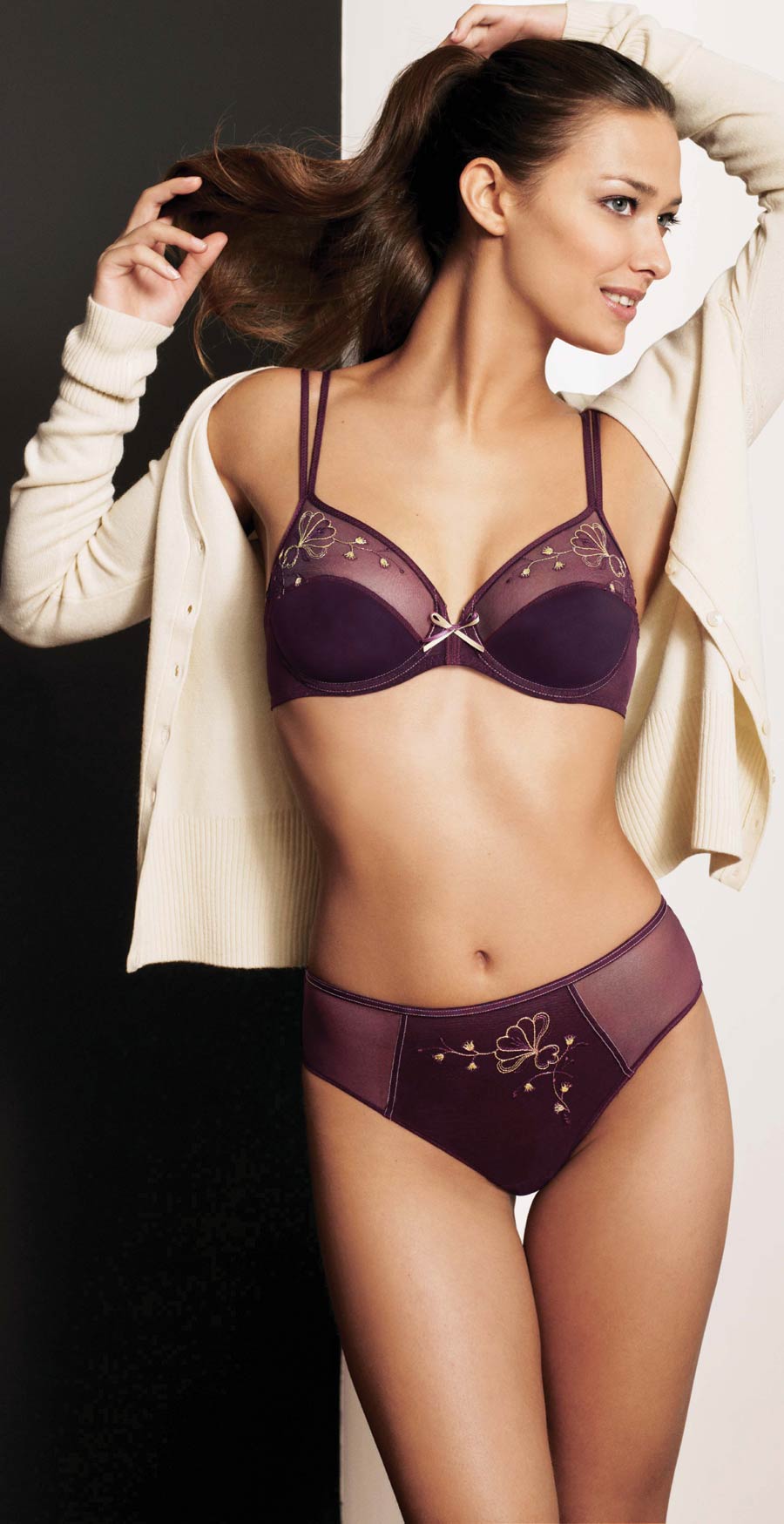
and standardised tools, processes and training, both bra and swimwear suppliers could achieve consistent ‘technical fit integrity’.” – Atul Khanna, UK’s prime breast health and reconstructive surgeon
Sports bra is just like sneakers. If you’re doing yoga you don’t need as much support as if you were running or playing netball, basketball or playing tennis everyday. One needs to purchase the right bra for the activity level being pursued.
When you run, your breast moves in a repetitive figure of 8 pattern. That’s why a bra was developed specifically for running says Linda. The RUN sports bra focus on support. The Infinity-8 support system designed for the RUN sports bra offers enhanced support to target excessive breast movement. The seam-free inner and concealed elastic underarms reduce any rubbing or chafing. During testing, a reduction of up to 78% bounce was calculated, giving a more focused running bra for a more focused performance. Whereas basketball players experience vertical breast movement and tennis players go through more lateral breast movement, they need ‘right sized’ bra to fit the activity.
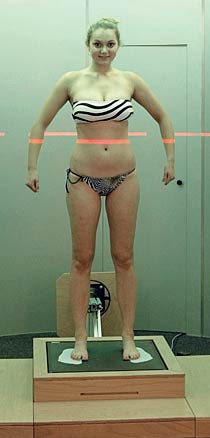
Design is all well and good, responded Dr Jochen Balzulat, director 3D body scanning with Assyst Bullmer’s bodyscanning technology partner, Human Solutions and his colleague Alison Dennison, CAD application consultant, but at the end of the day: “Profit is the reason we do what we do”. By using body measurement data from scanners and integrating it with their CAD and CAM technologies, lingerie companies can improve speed, efficiency, fit and communication across the decentralized supply chain. 3D body scanning systems equipped with dedicated software solutions may serve the customers for various purposes – automatic extraction of body measurements, recommendation of adequate garment sizes, virtual representation of garments on 3D human body model, production of customized garments. In the last couple of years, a large cost reduction of the 3D full body scanning equipment took place and new manufacturers appeared in the market, thus increasing interest in methods and technologies for digitization of the human body.
New technology has been developed which forms bridge between 2D and 3D application. Conventional tailoring designs are draped on a virtual dummy – avatar – in real-time in order to be able to directly examine the fit, the drape of the material, the material’s behaviour and last but not the least, the appearance. By using avatar one can estimate the distance between the fabric and the avatar’s body, final result of the cloth simulation; analysis of the tensions in the cloth.

Body measurement data derived from body scanners and the latest sizing surveys can be used to create standardized size tables, create body measurement statistics and detailed consumer profiles for specific geographic areas to help determine market shares. Combined with the latest CAD developments users can regrade patterns in minutes while taking into account such factors as differential stretch between different fabrics used in bra construction and the suppressions needed for larger sizes.
To conclude the seminar, a special guest panel Colleen Ryan of mastectomy bra specialist Di Murini, Karen Flude of George, Zabian Southwood from Lingerie Buyer, Lisa Mulube from M&S, Penny Alterskye of Next and Helen Bailey from Tesco answered delegates’ questions. When asked what is the ‘best’ bra fitting method, the panel agreed there is no one correct method. However, Lisa Mulube from M&S advised the DIY measurement method used by Figleaves.com to be a good place to start as it guides on the different style of bra available and what bra to wear in which occasion.