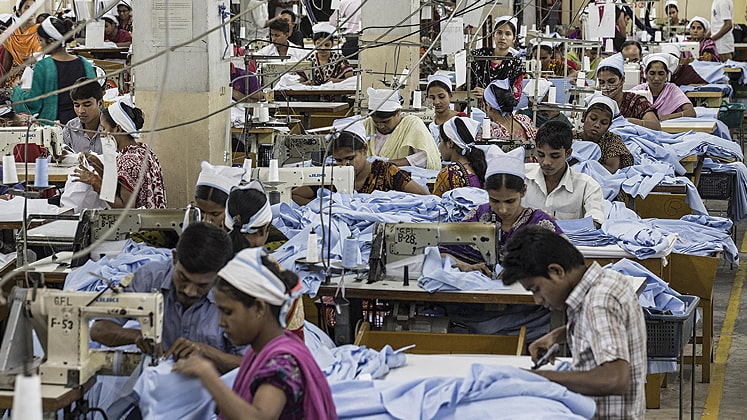
A group that was set up after the Rana Plaza disaster 2013, in a bid to enhance safety in apparel industry in Bangladesh is cautioning international fashion retail houses that they will have to stop sourcing from some factories if the Accord liaison office is forced to shutter down next week.
The threat to the apparel sector comes at a time when the country is heading towards a bitterly contested election next month, where Prime Minister, Sheikh Hasina is looking to retain her position.
Over 200 retail companies – including global leaders like Zara-owner Inditex and H&M – signed the legally-binding, five-year official agreement after more than 1,000 people lost their lives when the Rana Plaza complex collapsed.
The Centre had agreed to offer an extension to the body to complete remaining safety fixes and help to set up a national regulatory body to take over the Accord’s responsibilities. Previously, the High Court ordered the closure on November 3.
In Bangladesh, as per the latest wage structure, an entry-level operator in apparel sector will get US $ 95 per month, which is $ 68 in the current wage structure. The country still enjoys the lowest cost for labour in manufacturing clothing products in global perspective.
A survey revealed that the average monthly wage of labours in Bangladesh is just US $ 101, compared with US $ 135 for Myanmar, US $ 170 for Cambodia, US $ 234 for Vietnam and US $ 518 for China.
This gives the manufacturers a definite competitive advantage among its peers in the global export markets. However, the industry players said that it is gradually increasing and would not remain an advantage for long.
The Accord has examined over 2,000 factories across the country and helped draw up plans to cure 150,000 structural and fire hazards. Since then, about 90 per cent of the problems have been addressed while many remains to be fixed.