BHRRC, in collaboration with various partners and allies, has documented 105 instances of labour and human rights violations within Myanmar’s garment sector over a span of less than five months, from 16th February to 31st July 2023.
Despite a concerning trend of escalating violations of workers’ rights in Myanmar, fashion brands that source from the country are still falling short in safeguarding the well-being of workers within this high-risk segment of their supply chains.
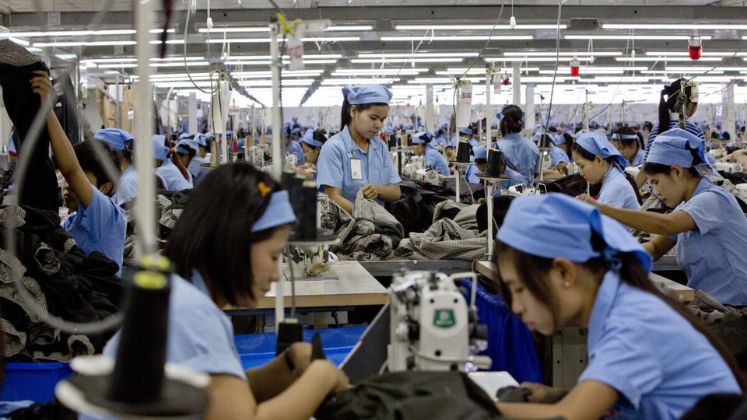
The grim reality persists, with workers in Myanmar’s factories being subjected to excessive workloads for meagre pay. More than half of the reported cases involve allegations of reduced wages, wage theft, and inhumane working conditions. Furthermore, harassment and intimidation persist, particularly targeting the predominantly female workforce in the industry.
These allegations of abuse are linked to 68 apparel brands and retailers, underscoring the widespread nature of the problem within global fashion supply chains. Brands prominently associated with factories where abuses occur include Inditex (ZARA, Pull&Bear, Bershka, Stradivarius; 10 cases), LPP S.A. (Sinsay, MOHITO, Reserved, and HOUSE; 11 cases), H&M (8 cases), Lidl (8 cases), and BESTSELLER (6 cases).
Among the 105 documented violations, the breakdown includes 62 cases (59 per cent) involving reduced wages and wage theft; 52 cases (52 per cent) of inhumane work rates and mandatory overtime; 47 cases (45 per cent) of harassment, intimidation and abuse; and 44 cases (42 per cent) of unsafe working conditions.
Natalie Swan, Labour Rights Programme Manager at the Business & Human Rights Resource Centre, expressed deep concern about the persisting human rights abuses against garment workers in Myanmar. Despite almost three years since Myanmar’s military coup, the situation has worsened, with reports of gender-based violence and inhumane working conditions becoming commonplace.
“Fashion brands relying on these garment workers for their profits are rightly under pressure to fully interrogate human rights risks in their supply chains. When companies source from a country where armed conflict or widespread violence is taking place, it is that firm’s responsibility to demonstrate how it is meeting this specific challenge. While some brands have already made efforts in this area, significant gaps remain. It is crucial these fashion brands ask themselves whether they can ensure abuses are not taking place against garment workers linked to their factories and confirm the absence of employer-military collusion. Brands, as well as their investors, which fail to do this while benefiting from the low cost of production in Myanmar can no longer avoid being complicit with a regime that is associated with brutal rights violations and repression,” commented Natalie.