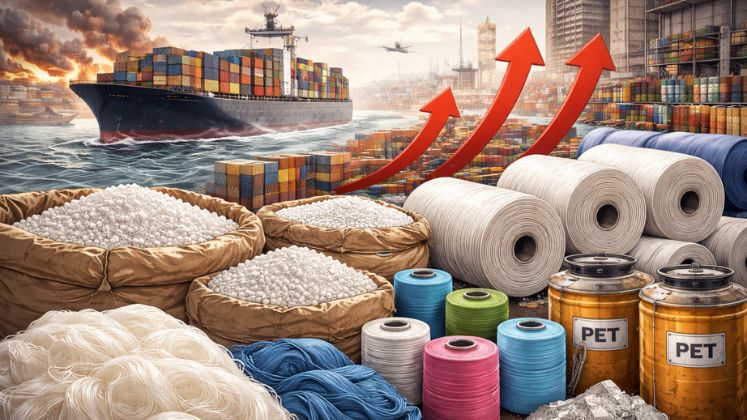
The ripple effects of the ongoing tensions in West Asia are beginning to impact the multi-crore textile industry in the Baddi–Barotiwala–Nalagarh (BBN) industrial hub of Himachal Pradesh, with manufacturers reporting supply chain disruptions, rising logistics costs and delays in exports.
Industry representatives say the uncertainty surrounding global shipping routes has led to delays in transporting goods, while export shipments are coming under increasing strain. At the same time, manufacturers are grappling with a sharp rise in logistics costs.
The BBN industrial region hosts a wide range of textile businesses, including yarn producers, knitting units, fabric manufacturers and ready-made garment exporters. Major companies operating in the cluster include Vardhman Textiles, Birla Textiles, Winsome Textile Industries, Siddhartha Group, Deepak Spinners and Sara Textiles.
Manufacturers have warned that the situation could worsen if geopolitical tensions persist, particularly because several key textile raw materials are derived from petrochemicals. A manufacturer stated that crude oil price volatility had significantly pushed up the cost of polyester and other synthetic raw materials, increasing prices by at least 20% and making finished products economically unviable.
Industry leaders also warned that the current uncertainty could affect export orders in the coming financial year. They pointed to the combined impact of global trade disruptions and tariff increases by the United States, which have further complicated supply chains and delayed the availability of inputs such as synthetic fibres.
I. J. M. S. Sidhu, president of Vardhman Textiles in Baddi, stated that manufacturing operations had been severely affected by supply chain disruptions in petrochemical-derived products such as synthetic, polyester and acrylic yarn. He added that rising input costs without a corresponding increase in product prices had rendered manufacturing increasingly unviable. The company operates a conglomerate of 10 manufacturing units covering cotton, blended and polyester production.
Meanwhile, Rohit Arora, unit head at Birla Textiles, noted that garment manufacturing operates on strict timelines, meaning any disruption in the supply chain has a cascading impact on final production schedules.
Arora explained that raw materials account for around 55% to 60% of overall revenue costs, making the industry particularly sensitive to price increases. Logistics costs have risen by around 3%-4%, while delays of seven to ten days in fulfilling export orders have been reported due to disruptions to sea routes.
The Birla unit exports to markets across Europe, South East Asia, Turkey, Latin America and the United States. According to industry executives, ongoing trade disruptions have already forced some manufacturers to explore alternative export markets in response to the uncertainty.