From a parachute-to a football-to a car seat-to a T-shirt, it is a sewing thread which not only holds together the sewn product but also determines the performance and utility of the same, and any failure can cause life-threatening damage to the user of the sewn product in some cases. This is a major challenge being faced by every sewing thread manufacturer worldwide as the applications of their products has expanded far beyond the realm of apparels and footwear, raising the bar miles high in terms of their tensile strength, elasticity, sewability and seam performance while maintaining the cost-competitiveness of the product. Today, sewing threads have moved beyond the specifications of a polyester core wrapped around with polyester fibres, to organic cotton, textured nylon sewing threads with high stretch, spun nomex threads with high heat resistant, micro-denier polyester for a very soft hand feel, spun Kevlar with high tensile strength and various variants for the regular sewing threads which promise reduced seam puckering and unravelling. ne such company which has a wide range of specialty thread is Threads (India) Limited (TIL), a part of the industrial and manufacturing conglomerate of Lohia Group.
TIL was established in 1983 in technical collaboration with Cousin Frere France who at that time was the leader in Auto industry in Europe. TIL initially targeted the industrial sewing thread segment for the shoe industry with its QUARTZ brand, and followed it up with SAPPHIRE, a 100% polyester thread for the jeans industry. Building on the reputation garnered by the success of these two products, the company has been successful in establishing itself as a supplier to all the sectors of sewn product industry, with speciality products like BONDEX (for auto industry), Ultimo (for leather shoes and garments), Nomex Thread (for fire safety clothing), Zen (for football, basketball, saddlery), ZIPPER (for sewing of zipper tape), KEVLAR (for life saving jackets), High Temperature Resistant Steel Core Thread, etc. The company has a pan India presence through its 13 depots, and manufacturing bases situated in Kanpur and Bangalore, to cater to the industry in the north and south, respectively.

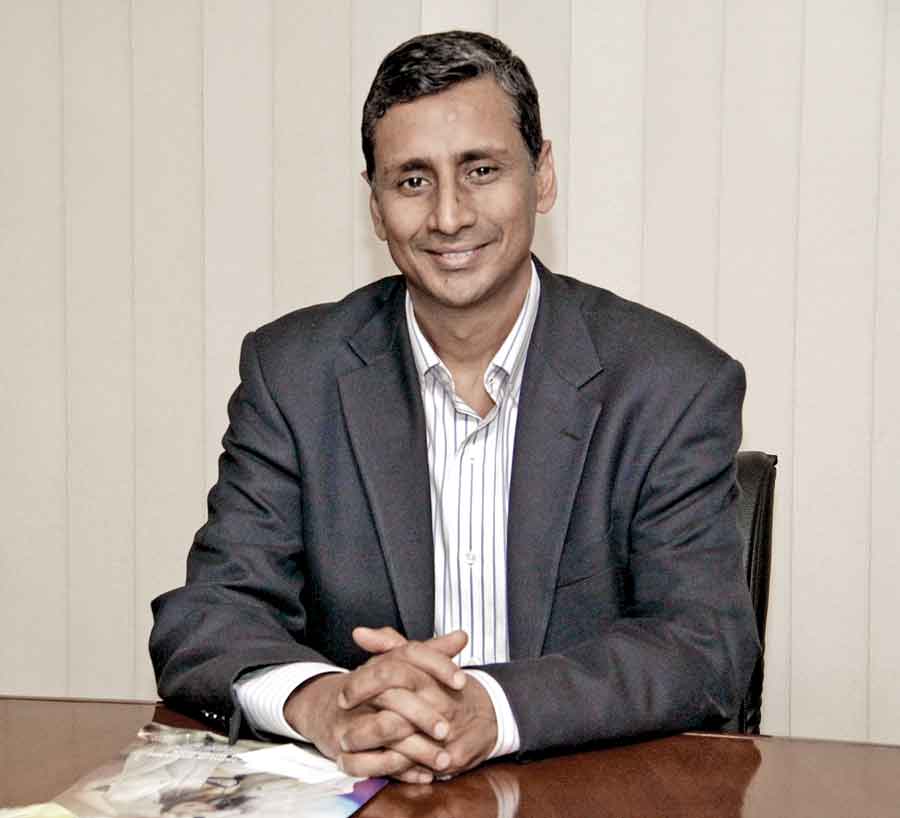
Presently operating at a turnover of over Rs. 150 crore, Ajay K Lohia, Director of Threads (India) Limited, sees huge scope for growth in the future. The company is already actively exporting threads to 35-36 countries and has established a brand for themselves, as far as the footwear industry goes. “We have to reach global scales by growing our capacity by twice or even thrice, be it within India or outside. We are not closing any options,” says Lohia. In fact, the next big step for growth that Lohia is planning is to enter the Bangladesh market by 2015. “Bangladesh is where the action is today. We are already supplying to the footwear industry in Bangladesh and have a stronghold there. But the real growth is in the garment sector, which is huge in Bangladesh. But to be supplying to garment manufacturers in Bangladesh, it is imperative that we have a manufacturing unit in the country for timely supply,” avers Lohia. TIL is open to a joint venture and is presently looking for prospective partners.
Though beginning its journey with the leather industry, TIL’s present focus is on supplying threads to the garment manufacturers. Lohia explains the reason behind the shift in focus, “We are quite established in the leather industry, which is a mature industry in India but a high growth industry in Bangladesh. On the other hand, garment sector is comparatively bigger, and we see a lot of growth in this sector, so it is our focus segment going forward.” At the same time, Lohia is also well aware of the intricacies of supplying thread to garment manufacturers and the difference in catering to both the markets. “Supplying to garment manufacturers is a whole different ballgame from supplying to the footwear industry. One doesn’t have more than a 24 hours window to supply the threads to the customer, as once the fabric arrives at the factory, the manufacturer will not wait for the thread,” reasons Lohia.
“Bangladesh is where the action is today. We are already supplying to the footwear industry in Bangladesh and have a stronghold there. But the real growth is in the garment sector, which is huge in Bangladesh. But to be supplying to garment manufacturers in Bangladesh, it is imperative that we have a manufacturing unit in the country for timely supply. We are open to a joint venture and we are presently looking for prospective partners in Bangladesh.” – Ajay K Lohia
The general perception is that threads vendors, like most other accessory vendors, depend on nomination for sales and since this space is where veteran competitors enjoy an advantage, newer players find it difficult to mark their presence. However, Lohia negates this notion, “Nomination is something that has been hyped a lot. Buyers are always open to a second or third option. You just have to convince them that you can offer them shorter delivery or better service or pitch in any of your strength. This is the only way this business works,” he argues.
Threads India has spent more than 23 years in helping customers and developing threads in tandem with them. The company also partners with educational institutes like IIT, Kanpur; Leather Institutes like FDDI, Delhi and tailoring & design institutes like NIFT, Bhubaneswar in order to fine tune product designs and give first time right products to their customers.
Threads India is also the only company that is SATRA (Qi) quality mark certified, apart from the environmental Oeko Tex certification. “The footwear manufacturers that we used to supply to had to get their threads SATRA certified on the demand of their buyers. Therefore we decided to offer the SATRA certified thread from our end itself,” concludes an upfront Lohia.