Producing 50 tonnes of knitted fabric per day and processing 98 per cent of its in-house to convert into 2,00,000 knitted garments for exports by the end of the day is just not the only thing that makes Shivalik Group the largest knitting company in northern India. Apart from the available water recycling facilities, its processing units are solar equipped which generate 1.5 MW power and is headed to become the largest biologically zero-discharge apparel factory in Haryana. The achievements of the company are laudable, considering that it started doing garmenting only in 2007, much after many of the other Delhi-NCR leaders had already established themselves well in the field. Having already crossed a turnover of Rs. 1,200 crore in exports, this fast-growing company is being led by a very motivated team of GenNext inheritors, who are ready for every challenge.
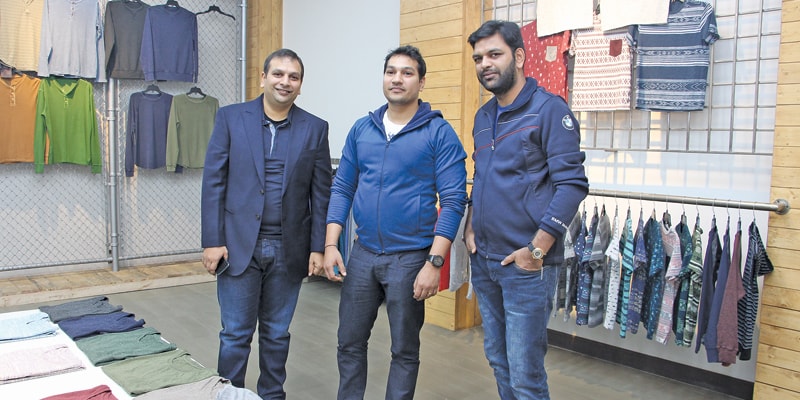
With Narindera Aggarwal, as Chairman, the ‘young brigade’ of Directors – Nishant, Ankit and Kushal – are very optimistic of growth potential. “We have grown from scratch. Our norms are highly efficient and we are all very deeply involved in the operations. Even if there is a percentile difference in our estimation of loss, we have a meeting on it. We challenge everything and if we have a problem, we approach it within five minutes,” says Nishant, shunning the perception that the company has too much flab. He adds that though the company has come out of SPL which they bought in 2007, they have not inherited its working principles that led to its downfall and instead, set their own standards. “What SPL used to do in 120 days, we are doing it in 70 days,” shares Nishant. The result is a whopping 99.8 per cent on time shipping record with zero air shipments.
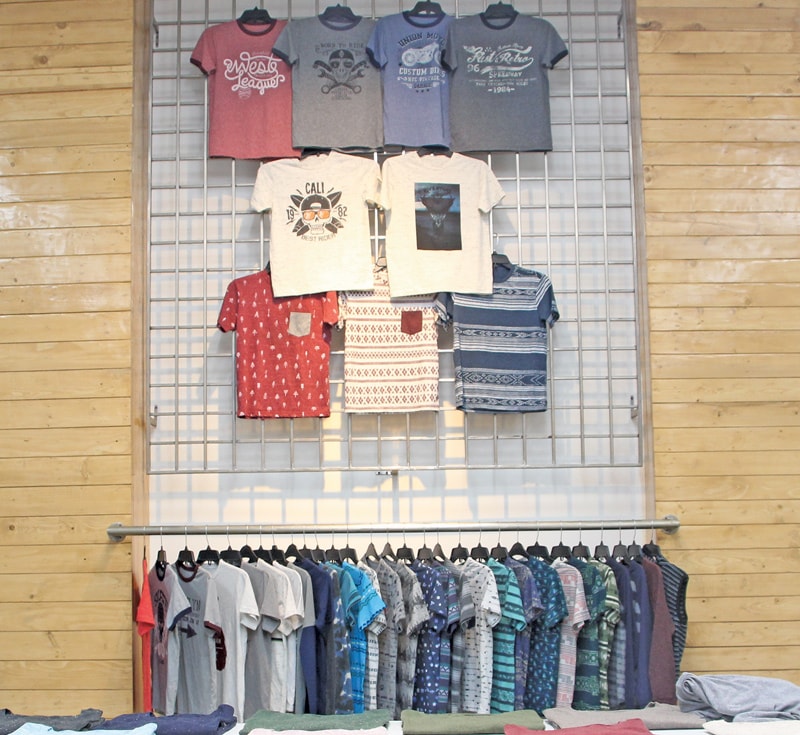
Though the company specializes in basic knits in huge quantities, of late the company has shifted some of its capacities to semi fashion knit items with an average FOB of US $ 3 for both men and women. “Today, there is nothing which is really basic, everyone wants some fashion element and that is where our integration and in-house capabilities come in handy,” says Ankit.
Besides T-shirts, the company also makes ladies knitted dresses for the US market since there is no duty on the same. With lots of specialized washing and dyeing, the company tries to make a 100-dollar product for around 10-15 dollars in knits.
Now, as more and more consumers are moving towards activewear in the US, the company is pretty bullish about good growth in the near future. “Nowadays, when everything is changing so fast, we are doing many things, both in-house and with the buyers on different levels. Whichever strategy works, we adopt that. Whichever buyer is good we go with him. We work with European customers too who are very fast tracked. They want maximum 17-18 days’ lead time, but we are not shying away from these orders.” reveals Kunal adding that buying agents don’t have future as the vertical set up is proving overwhelmingly beneficial for both buyers and manufacturers in a direct relationship.
Having all the factories/facilities within a radius of 4-5 kilometres, Shivalik Group is able to ensure that everything is done just within six hours after getting an order. Catering to US and European markets, their core customers are Walmart, GAP, George, H&M, Old Navy, Target, American Eagle, C&A, Max, Sansbury’s, among others. Working on being updated with latest technology to support efficiencies, the company has recently installed one automatic cutting machine, with plans to bring all cutting into automation in a phased manner. Apart from that, they keep updating sewing machines after every 3 years.
The management systems are equally responsive and apart from the monthly meetings with the DMs, where they discuss challenges and best practices, the young team always has a discussion with their elders while encountering a complicated situation. The philosophy is to remain ahead in providing service. “I think people get lost when they say they provide on-time delivery or good quality products to their buyers, so they are preferred suppliers. These parameters are now basic requirements, which we can’t ignore. But what counts in modern epoch are the added services you render and what relationship you have with your buyers. In the contemporary, competitive era, ethics have become a high priority,” reasons Nishant.
With high focus on service, the company always keeps 15-20 per cent of capacity free for emergency orders so as to remain a priority for their customers. Still, if the demand exceeds their capacity, they go for outsourcing the part of converting yarn into fabric which hasn’t exceeded 2 per cent of their overall processing yet. The company has also created an experimental setup with a Sri Lankan consultant on lean principles which will be the first of its kind factory in this part of the country in knits and is expected to absorb the day-to-day growing demand for knitwear in a highly competitive environment.
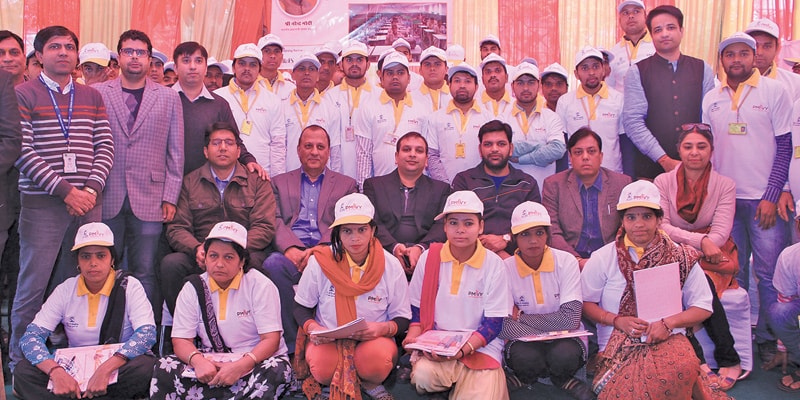
The company is also involved in training its workers and recently it has initiated a Recognition of Prior Learning (RPL) programme in partnership with ILFS. This programme is under the PMKVY scheme. Shivalik is the first industry partner of this scheme in the NCR. RPL is a platform to provide recognition to informal learning or learning through work to get equal acceptance as the formal levels of education. It aims to appreciate prior learning irrespective of the medium of achieving it to give due importance to learning as an outcome rather than learning as process. With the initiative, IL&FS Skills Development Corporation Limited has been given responsibility to train 20,000 sewing machine Operators under the programme.
For the company, the year 2016 was highly competitive and they believe that the new year 2017 would be more challenging. However, according to company’s plans and projections, they think that year 2018 would be a good year. The company believes in preserving the value additions to their product and invest according to the earnings they make. “I think the challenges will keep coming, but we don’t have to sit on them. If you are passionate about working, then you don’t see these challenges as mere challenges, but rather see them as opportunities. Like, if something is a challenge for three months, you have to be optimistic that after three months, it will turn into an opportunity. The way we have dealt with challenges is the answer to why we are here, at the top,” concludes Nishant.