The demand of fabric type being used in apparel manufacturing has seen a definite shift to man-made options as natural fabrics become expensive, though cotton is still a favourite with Indian manufacturers. The fabrics preferred by the buyers today have focus on lightness – both in weight as well as prices. Team Apparel Online talks to PD teams from the industry on what the buyers are asking for and why…
The second largest producer of cotton, India has always been known for their cotton apparel, but as ticket prices on garments started suffering due to lower margins, both the buyers and manufacturers have slowly started to bring in more manmade fibres to balance cost. The shift has become necessitated with the intensifying issues of cotton shortage and price volatility in cotton over the last few years. Even as the demand for the same has been on the rise for quite some time now, it is only now that the orders for such collections are on full swing. Possessing qualities such as silky appearance and feel, along with the ability to breathe in a manner similar to cotton, viscose rayon being structurally similar to cotton, is amongst the most popular options available and being used.

Even exports that have traditionally only used cotton are looking at the option. “I constantly stay in touch with my buyers to keep myself posted on any change taking place in the markets, and from what I have picked out of my conversations with them, the demand for cotton based apparel is not very strong at the moment. Due to the price points and the market conditions, buyers have started picking other alternatives for the upcoming collections and all types of viscose and blends are being used,” confirms Uday Sehgal, Director, Mariko, Noida. For S/S 2014, Mariko is working with 100% viscose, poly viscose and cotton viscose fabrics. “60’s viscose is the most admired fabric at present and lot of manufacturers are working with the same,” adds Uday who works with buyers in Europe, US and South Africa.
[bleft]With the growth in consumer preference for comfort and easy care in fashion wear and casuals, synthetic fabrics such as viscose and rayon are emerging as the fibre of choice for all the consumers. Also helping the bottom lines of the industry these fabrics have become a preferred choice of buyers and exporters as well. [/bleft]
Sharing similar views Abhimanyu Sharma, Director, Spark, Gurgaon said “90% of the collections being made at present are using polyester as base. We have been working with 40’s and 60’s rayon for our production for the current season. According to me, working with entire collections with cotton is not a wise choice as the buyers are looking at price-effective options and everyone is moving on from natural to manmade fibres. From what I have assessed from the market, cotton in counts 80×90 and 90×100 is doing well.” The company is also manufacturing scarves and has seen changes in the fabric choice in that category as well. “Base material for scarves has changed over the period of time; shally (a rayon fabric) was a popular choice once, and the base has now shifted to polyester due to the prices. Where shally costs about Rs. 70 per metre, the cost of polyester is Rs. 45 per metre without any major difference in looks and feel,” shares Abhimanyu. Spark has been catering to clients like River Island, New Look, Miss Selfridge and Topshop.
While some of the exporters are working on collections entirely made of polyesters and rayon, there are still handfuls working with only cotton. “I have been working with various buyers from England, America and Middle East and from what I have gathered there is still a good and strong demand for cotton based apparel in the international market. Though the trends in apparel have evolved, the fabric is still the same. I have not received any enquiries for blends that could be incorporated in my collections for S/S 2014,” says Puneet Gopal, Director, A4 Creations, Ludhiana. Supporting the thought Meghna Karthykeyan, Director, Lata Exports, Mumbai, shared “Light weight poplins and voiles are still working out well for the US market; I have not received any demand for blends and synthetics.”
To find alternatives to the rising prices of cotton which has been the primary demand of manufacturers globally, people today are looking for cheaper but quality options for a base fabric. Looking at what is selling currently for 2013, there is more of PV and PC, but for 2014 the direction is more towards cotton and natural bases in fabrics, which will accelerate the demand of cotton based prints. But because of the fluctuating cotton prices in the past, today, there is so much development happening in the poly blends market that replications which have a good hand feel, almost to that of natural textiles, have become good substitutes of cotton and therefore would continue to sell, especially in the mass markets.”

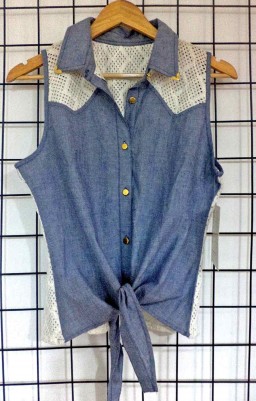
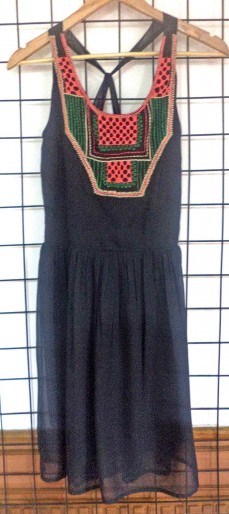

Fulfilling the need of both value in terms of price and a unique feel, linen and linen blends are catching rapid pace in the US market, which is at present performing much better in comparison to Europe also owing to the texture that this fabric imparts. S. P. Jain, Director, Devanshi Exports, Delhi, manufacturer and exporter of stoles, scarves and throws, validated the demand for light weight fabrics and said, “Even as we are working on our collections for A/W 2013-14, the demand for fabrics even in wool is for light weight and Matty weave. I’m sure the trend will continue for summers as well.”
Delhi based Ahuja’s Web working with buyers from markets of Germany, Spain, Italy, Japan, UK and the US, have been using both cotton and viscose in their collections for S/S 2014. “No one is working with higher counts in both cottons and viscose for their collections as the end product turns out to be costly. We are working with Surat viscose for our S/S 2014 collection as it has both good looks and feel, which is being appreciated by our buyers,” informs Anil Ahuja, Managing Director, Ahuja’s Web.
The reason for the increase in popularity of rayon bases in India has nothing to do with lower margins, claims Rajesh Goyal, Owner, Ankit International, Jaipur. “As rayon was an extremely popular fabric for garment manufacturing in China, the increase in the cost of the labour has shifted the demand of rayon apparel to India,” reasons Rajesh. According to Rajesh, this shift is a huge opportunity for the Indian exporters and the industry should really work on it.
A well known name in women’s wear KKalamkari has been using both woven’s and knits in their S/S 2014 collection. “The collection consists of pieces made from 100% cotton in counts 80×90 and 90×104 along with poly georgettes in weights varying anywhere between 35 – 50 grams in woven’s and single jersey weighing 140 GSM, interlocks 180 GSM and viscose fabric in knits,” shares Pankaj C, Managing Director, KKalamkari.