Europe and USA have long been the traditional export destinations for garment exporters from Bangladesh. Call it the trade benefits, quota facilities or demand and volume requirements, these two places have always been the most sought after overseas markets for the country.
However, with changing times – USA has revoked the GSP facility after the tragic Rana Plaza incident while despite the trade benefits, increased competition from other manufacturing hubs and decreasing margins, has shorn Europe of its past appeal among many exporters – garment manufacturers from Bangladesh are now actively looking at market diversification.
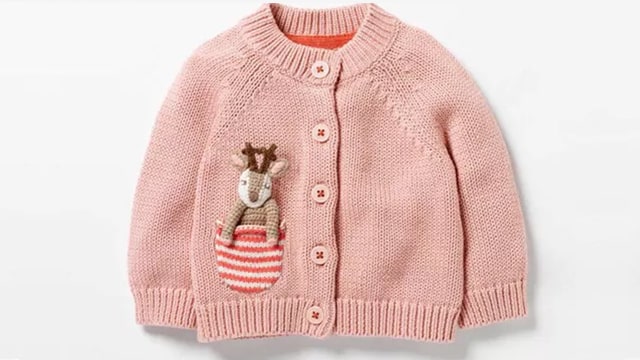
Catering to a host of clients in Europe namely Debenhams, Zara, Burberry, Vero Moda, Walmart, Pull&Bear, etc., in diverse range of sweaters, pullovers, cardigans, and other knit products from wool, cotton, acrylic, rayon and blended yarns, Hydroxide Knitwear Limited is now planning to look beyond its erstwhile stronghold, Europe.
“We are now planning to look East rather than concentrating only on the West. We see Japan, South Korea, China, etc., as markets with great potential,” underlines Omar Chowdhury, Managing Director of Hydroxide Knitwear Limited speaking to Apparel Resources.
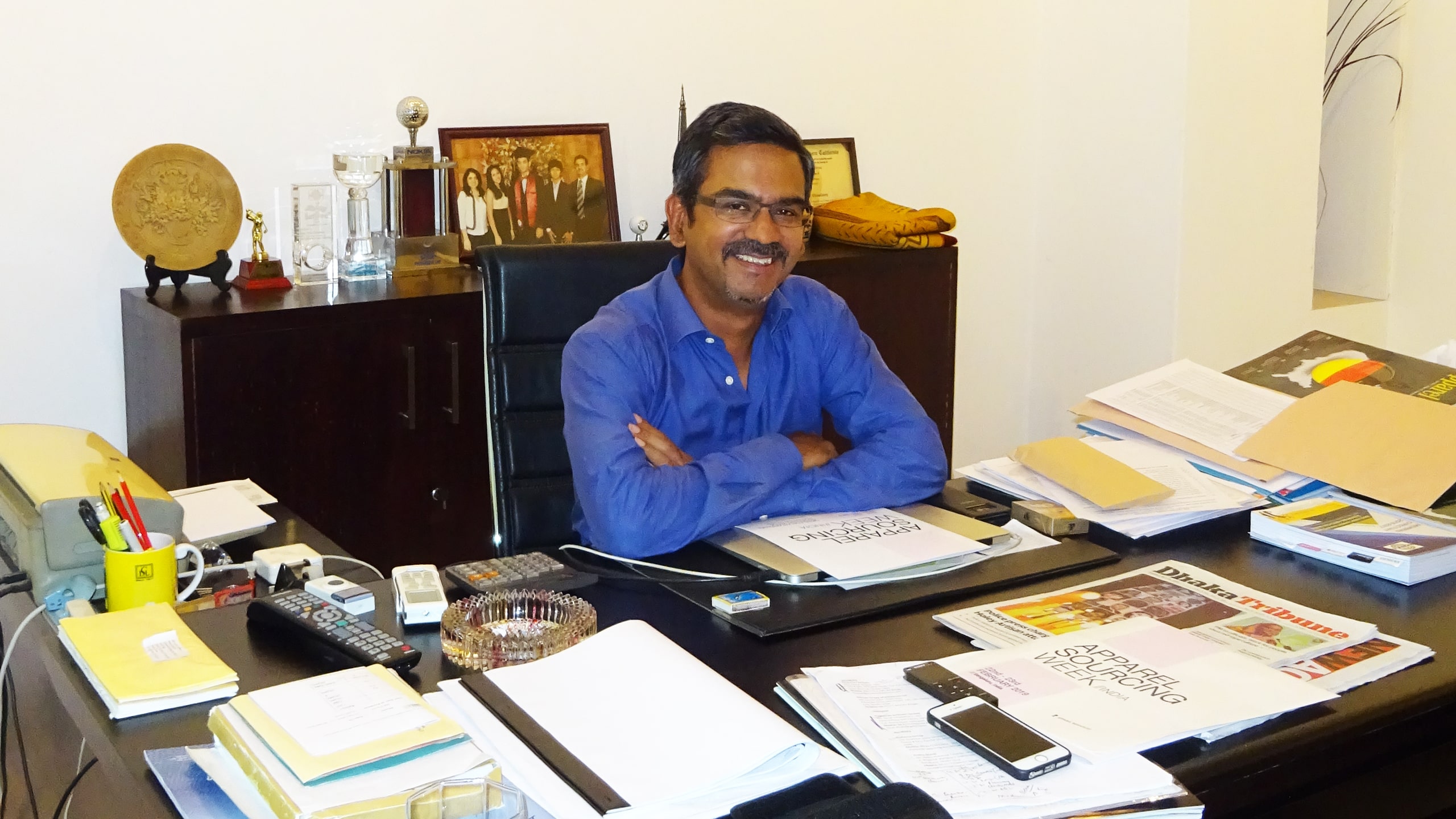
Omar’s look East policy stems as much from the huge potential of the markets concerned, as it is for the other reasons. “The retail industry in Europe is undergoing a huge transformation; almost everything is going online as people prefer to buy sitting at the comfort of their homes rather than visiting the stores,” explains Omar, adding, “That apart, I also have a feeling that buying capacity of the European retailers is also on the wane. Most of the retail stores are now selling their products on discounts. Even the end customers have become very price sensitive. We as manufacturers are now feeling that pressure. Whereas on the other hand the middle-class segment in countries like South Korea, China, and Japan is not only increasing even their buying capacities have increased substantially.”
World’s third largest economy with a population of 127.1 million and GDP per capita (PPS) of US $ 36,194, Japan is emerging as a very promising market for Bangladesh, to say the least. As per data from the Export Promotion Bureau (EPB), in the fiscal year 2017-18, Bangladesh earned US $ 1.13 billion from exports to Japan, which is 11.73 per cent higher compared to earnings of US $ 1.01 billion in FY17.
Out of the US $ 1.13 billion, US $ 846.73 million or 74.8 per cent came from the RMG sector alone with apparel export to Japan witnessing a 13.73 per cent rise compared to previous year’s earnings of US $ 744.48 million.
Also to be noted that apparel market in Japan is expected to reach US $ 92.40 billion by 2021. At the beginning of 2018 clothing market amounted US $ 87.32 billion with expected annual growth of 1.9 per cent.
As to China, as per a Euromonitor forecast, the country is expected to overtake United States to become the largest apparel market by 2019 globally (by then, the annual apparel sales in China is pegged to touch US $3,33,312 million). Keeping pace with this, Bangladesh has been making steady inroads into China. Currently, China is Bangladesh’s second largest export hub among the Asian nations after Japan. As per EPB data, in fiscal 2017-18, Bangladesh exported garment items worth US $ 391.64 million to China while the figure stood at US $ 391.60 million in fiscal 2016-17. China’s demand for basic garment items is high, as its manufacturers mainly concentrate on high-end products for upscale Western markets. This has resulted in further rise of Bangladesh’s garment export to China over the last few years.
Even the President of the country’s apex exporters’ body, BGMEA, seems equally optimistic about China. “Exploring new markets has become very critical for growth; there is a big market each in Russia and China. We know China has a very big domestic market. Despite their significant global presence, we can find some space there for us,” Siddiqur Rahman had briefed to Apparel Resources earlier.
South Korea too, is a rather interesting exporting destination for the country, as it has been a pioneering country to invest in the RMG sector of Bangladesh in the early days, and even shares a close bilateral relation with a host of Korean manufacturers setting up their units in various EPZs of Bangladesh.
As per EPB data, in July to June period of FY 17-18, Bangladesh exported apparels worth US $ 191.97 million to Korea Republic (South Korea), which is up by 16.47 per cent from the July to June period of FY 16-17, when it exported garments worth US $ 164.82 million.
The Bangladesh Government’s recent decision to raise cash incentives for garment exporters to 4 per cent from 3 per cent, for markets other than the US, Canada, and the European Union for financial year 2018-19 seems to have added that extra element of interest, thereby driving the exporters to foray into non-traditional destinations for market diversification even more aggressively.