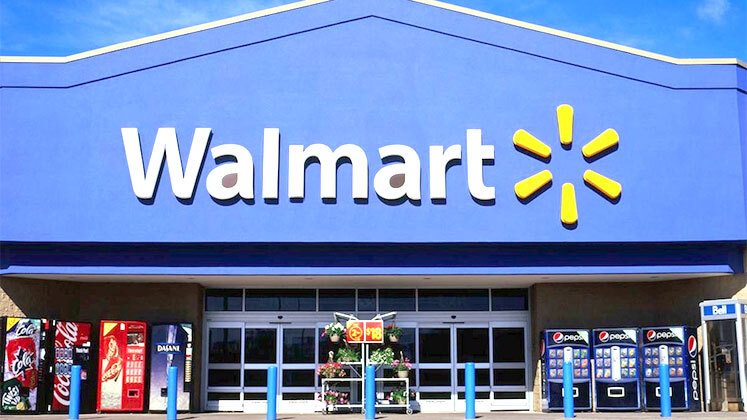
Walmart Inc has reached a historic milestone, becoming the first traditional retailer to achieve a market capitalisation of more than US $ 1 trillion, propelled by a substantial rally in its share price and strategic investments in digital transformation, according to multiple market reports.
The achievement places Walmart alongside global giants typically associated with technology, such as Nvidia, Alphabet and Amazon, highlighting the company’s evolution from a brick-and-mortar discounter to a digitally enabled retail powerhouse. Its stock has risen sharply over the course of the past year, buoyed by strong US sales, growing e-commerce operations, and expanded use of artificial intelligence across logistics and customer engagement functions.
Walmart’s entry into the trillion-dollar valuation club comes amid broader strategic moves, including its recent addition to the Nasdaq-100 Index and the appointment of a new chief executive. Industry observers note that the company’s enhanced focus on technology and streamlined supply chains has helped sustain growth in an inflationary and competitive retail environment.
Walmart’s milestone has particular relevance for India, where the US retail group has steadily deepened its presence over more than two decades. Through its majority ownership of Bengaluru-based ecommerce platform Flipkart, Walmart has built one of the country’s largest online marketplaces and forged extensive links with local suppliers and small businesses.
The company has set an ambitious goal to source US $ 10 billion worth of Indian goods annually by 2027, working closely with suppliers across categories including apparel, food and consumer products to expand exports and leverage India’s manufacturing base.
Walmart’s India-focused initiatives extend beyond sourcing. Its Walmart Vriddhi programme has trained tens of thousands of micro, small and medium enterprises (MSMEs) to integrate into digital commerce platforms, strengthening India’s role in global supply chains.
Analysts say that India’s rapid digital adoption and growing middle-class consumer base provide fertile ground for Walmart’s long-term strategy, even as regulatory constraints limit its ability to operate physical stores nationwide.