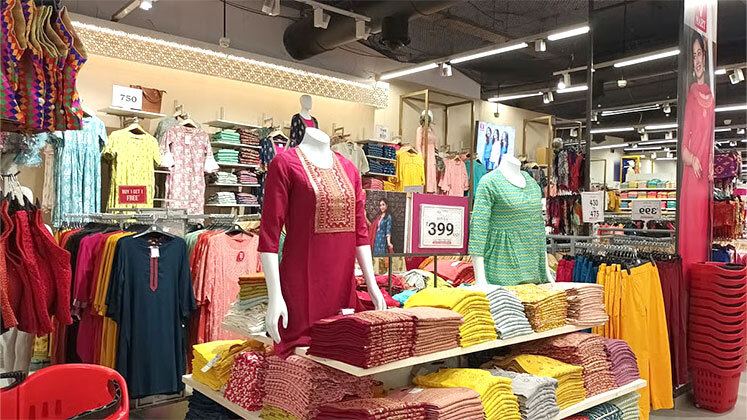
India’s discount-led fashion chains have more than doubled their store count over the past five years, adding around 2,500 outlets to a base of roughly 2,000 stores that had been built over the previous two decades, according to V-Mart Retail managing director Lalit Aggarwal.
The expansion has been driven largely by value fashion brands backed by the country’s leading conglomerates, including Tata Trent’s Zudio, Reliance Retail’s Yousta and Aditya Birla Fashion and Retail’s Style-Up. These chains have stepped up aggressive store rollouts to tap India’s price-sensitive consumers, helping the value retail segment emerge as one of the fastest-growing pillars of organised retail in the past five years.
Aggarwal said the sector’s growth had been fuelled by rapid store additions, deeper penetration into smaller towns and changes in consumer behaviour. He added that companies had raised capital, drawn up expansion plans and showed little sign of slowing, with significant inroads made into high streets across small towns and cities. Most brands, he said, were opening large-format stores of around 8,000–10,000 sq ft.
A business model once seen as risky has now delivered consistent scale and profitability, encouraging both national and regional retailers to adopt similar strategies, Aggarwal said. Regional players in eastern and northern India have also expanded their footprints, supported by private equity investments and public market listings.
Looking ahead, Aggarwal said the next phase of growth would depend less on the number of new stores and more on improvements in governance, technology adoption, systems, audits and leadership depth.
However, consumption trends remain uneven. While festive and wedding-related demand has offered some support, overall discretionary spending has weakened following the festival season, with winter demand falling short of expectations. Rural consumption has been relatively resilient, aided by favourable monsoons, stable farm incomes and government spending, which have helped restore confidence after the disruption caused by the Covid-19 pandemic.
Urban demand, in contrast, has been affected by intense competition and the rise of value-focused online platforms. Aggarwal said Gen Z consumers were increasingly influencing purchasing decisions not only for themselves but also for households, with digital discovery, influencer marketing and Korean fashion and beauty trends gaining prominence.
He added that retailers would need to strike a balance between rapid expansion and sharper brand positioning and digital engagement, as India’s value retail boom entered a more disciplined and competitive phase.