The Indian fashion industry has undergone a significant transformation in 2023. Some of the major themes that defined this year were focus on fabric innovation, sustainability, brands’ increasing thrust to tap into Tier-2 and Tier-3 cities, the rise of virtual stores and AI integration, growth of gender-fluid fashion, the rise of the toy industry and redefined procurement strategies amongst others. Apparel Online was at the forefront of decoding these themes to help empower businesses. Without further ado, let’s explore the key factors that shaped fashion in 2023!
1. Fabric innovations, eco-friendly fabrics, thrust on sustainability take centre stage
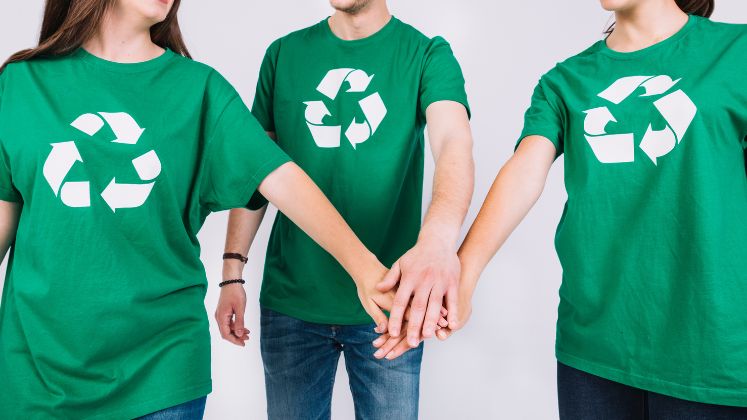
The fashion sector in 2023 saw a fresh tilt towards fabric innovation and alternative materials, redefining the way apparel is produced and perceived. Apparel Online’s’ comprehensive analysis in its January issue highlights this significant shift.
Manufacturers such as Tirupur-based BS Apparel led the way with Bamboo Performance technology, blending organic cotton and bamboo fibres for optimal stretch and sweat-wicking properties. The company sells garments made from UPF 50+ fabrics that block 98 per cent of the sun’s rays and are tailored for sensitive skin. Additionally, the company has begun exploring the potential of merino wool and recycled polyester for activewear due to their superior sustainability and performance features.
Whereas, Techno Sports, one of the leaders in the activewear industry that sold over 10 million garments in 2021, focused on using profiled filament yarns and processing additives, as well as altering the basic DNA of polyester to produce a wider range of fabrics. Its in-house lab sources hundreds of yarns and chemicals globally and develops a range of fabrics analysed across multiple labs to achieve the ideal blend of comfort and style.
During 2023, there was a notable rise in the adoption of eco-friendly materials like organic cotton, hemp, jute, bamboo, pineapple leather and more.
Leading brands like Stella McCartney and H&M that were already incorporating eco-friendly fabrics, renewed their thrust on nature’s offerings. Many famous fashion designers from around the world, like Agnes B, Kate O’Connor, Alfred Sung, Oscar de la Renta and Diane von Furstenberg, are increasingly using bamboo materials in their collections. In India, manufacturers and designers are also now increasingly embracing environment-friendly materials. Leading companies like Shahi Exports, Pearl Global, Eastman Exports, Aquarelle and others, including Pratibha Syntex, Reliance Retail and Arvind, have taken proactive steps to drive sustainability across their operations. Nearly all of them are using renewable energy and are actively into water conservation, worker welfare and much more. Meanwhile, designers like Anjali Bhaskar launched a clothing line from pure fibres found in plants like orange, aloe vera, eucalyptus and banana. With environmental concerns on the rise, circular business models including rental and resale have also experienced good growth.
Textile waste management also emerged as a key concern, particularly in countries like the US, EU and UK. In 2023, a legislation called the Responsible Textile Recovery Act (SB-707) was introduced in the US state of California. It aims to make apparel producers responsible for collecting and recycling their products.
2. Brands increase ‘Bharat’ focus, make deeper inroads into Tier-2 and Tier-3 cities

According to a World Bank Report, retail in India is projected to contribute 8 per cent to the GDP and generate 10 per cent of the employment by 2030, with maximum contribution expected from Tier-2 and Tier-3 cities. Apparel Online’s February issue highlighted how consumers in Tier- 2 and Tier-3 cities are embracing the changing landscape of the fashion industry. These cities have emerged as critical markets for fashion retailers and online platforms, owing to increased disposable income, rise of e-commerce, improved internet access, exposure to influencers, cheaper real estate, amongst other factors. Brands are ramping up their advertising efforts, employing digital and traditional marketing tools to establish a stronger foothold in these emerging markets.
Tasva, a men’s ready-to-wear line by Aditya Birla Fashion and Retail Ltd (ABFRL), launched its first store in Jaipur as part of its effort to increase its retail presence. It’s Tasva’s 33rd franchised location in India. Iconic Fashion India opened its latest exclusive store in Ludhiana. This retail chain sells high-end apparel from labels like GANT, True Religion, DKNY, Elle Paris. Following suit, Cantabil launched its 500th store in Ayodhya.
The southern region is also making strides in expansion. ABFRL opened a new outlet for its lifestyle brand American Eagle at HiLITE Mall, Calicut. The company plans to broaden its retail footprint via franchisees, intending to introduce an additional 50 stores across India in the next three years. Dubai-based value fashion chain Max Fashion launched its largest store in India in Kochi spanning over 25,000 sq. ft. of retail space.
Avantra by Trends, a concept store chain by Reliance Retail, opened its third store in Kerala at Palakkad. Apparel Group India announced its expansion into six Tier-2 cities – Udaipur, Ranchi, Kozhikode, Kanpur, Udupi and Mangaluru. Moreover, several brands are now crafting specially tailored designs and collections to meet the distinct needs of non-metro cities. Amazon Fashion ensures delivery to 100 per cent serviceable pin codes across India, guaranteeing two-day delivery in over 200 major cities.
In Apparel Online’s September edition, talks about the specific parameters by brands or retailers to select Tier-2, Tier-3 cities were covered in detail. Hitesh Bhatt, Director – Marketing and Communications, Retailers Association of India stated, “I personally believe that the 4Ps – Price, Product, Place and Promotion – are the most important aspects to consider before opening an EBO in Tier-2 cities or other small cities.”
3. Rise of the virtual stores and AI

In the sci-fi movie Minority Report released in 2002, John Anderton, portrayed by Tom Cruise, steps into a mall’s clothing store. As he enters, his eyes are scanned. A cheerful sales associate appears via a video projection on a curved screen, inquiring about his previous purchase of assorted tank tops: “How did those assorted tank tops work out for you?” This depiction showcased a form of virtual shopping using augmented reality (AR) in retail. Since then, the retail sector has undergone a dramatic shift. The pandemic has sped up the integration of AR and virtual reality (VR) in retail.
According to a recent McKinsey article, the lines between ‘online and offline channels’ are getting more blurred. The April issue of Apparel Online pointed out the various advantages of virtual stores like reduced expenses, wider outreach, enhanced personalisation, increased customer loyalty and the ability to generate new revenue streams. These platforms also gather valuable data that aids retailers in refining their marketing strategies. Big players like Amazon, Walmart and Alibaba have already invested significantly in virtual stores and malls.
A virtual store redefines online shopping, blending AR or VR to create an immersive experience. Rather than scrolling through a website, customers step into a virtual space that offers an engaging and connected shopping journey. The four main types of virtual stores are:
- Fully Virtual Stores: These exist entirely in the virtual realm, offering interactive experiences just like browsing through a physical store. Charlotte Tilbury’s Virtual Beauty Shop is a prime example. Customers can customise avatars, try makeup virtually and explore rooms, earning rewards along the way.
- AR Stores: AR enhances in-store shopping, letting consumers visualise different garments and options without getting undressed.
- Virtual Marketplaces: Platforms like Amazon and Alibaba unite sellers and buyers, catering to niche goods. They streamline large purchases for businesses with features like 3D renderings and shoppable videos.
- Social Media Stores: Instagram and TikTok enable direct purchasing from posts. This trend appeals to younger generations, transforming visual content into instant buys.
International brands like Alo Yoga, Vans, Bloomingdale’s and Lacoste have ventured successfully into virtual stores, drawing in customers with engaging content and immersive experiences. Other brands like Da Milano Italia, Zivame, Aditya Birla’s Style Up, SAXX, Tommy Hilfiger, Burberry and PINKO also launched their own innovative virtual stores, offering unique shopping experiences, interactive elements and exclusive content to customers.
In India, overseas brands and retailers like Zara, Decathlon and Bestseller India are actively incorporating the concept of experiential retail stores as they are bringing the global shopping experience under one roof to offer their consumers a unique shopping platform.
In 2023, AI emerged as a key technology in the fashion world’s buzz. Stradivarius, part of the Inditex group, turned heads with an S/S ’23 campaign featuring AI-generated models. The Dutch fashion company G-Star, which specialises in denim designs, made its first design based on an AI-generated model a reality in the physical world. In October, H&M’s Creator Studio introduced a new platform that lets shoppers become fashion designers. Using the Stable Diffusion generative AI, users can make their own high-quality merchandise by responding to written prompts. The text-to-image results are then later printed onto fabrics.
4. Gender-fluid fashion
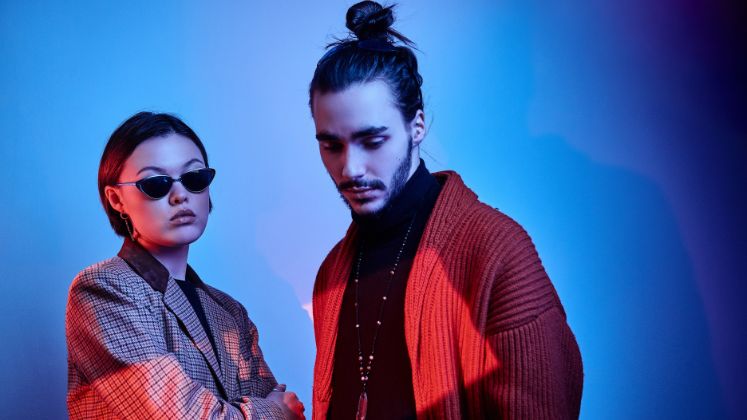
Gender-fluid fashion is gaining greater traction amidst changing consumer attitudes towards gender identity and expression. Fashion designers and brands are now creating collections that blur the lines between menswear and womenswear, focusing on unisex or gender-neutral designs. These garments often feature relaxed silhouettes, minimalistic styles and neutral colour palettes that appeal to a broad range of individuals.
In 2014, the Supreme Court of India recognised a transgender person’s right to self-identification as male, female or the third gender. Metropolitan areas and regions with more liberal attitudes in India are driving the demand for gender-neutral clothing. However, the acceptance of gender diversity is spreading, hinting at forthcoming growth across the country. Some of the top gender-neutral clothing brands in India include NorBlack NorWhite, HUEMN, Bloni, Anaam, Six5Six Street, Crow, Genes Lecoanet Hemant and Anaisha. The June edition of Apparel Online explained how the Millennials and Gen Z have united to create a platform where non-binary and gender-fluid individuals can authentically express themselves on social media, finding community and support.
Some of the leading Indian designers shaping the gender-neutral clothing landscape include Kallol Datta, Dhruv Kapoor, Urvashi Kaur and Shani Himanshu with Mia Morikawa. Internationally, Rad Hourani, Telfar Clemens, Alejandro Gómez Palomo, Rob Smith and Charles Jeffrey are influential figures in gender-neutral fashion.
5. Toy industry comes of age in India

The toy industry in India is booming, expected to grow at over 12 per cent annually over the next five years. Presently at around US $ 1.35 billion, it accounts for just 0.5 per cent of the global market. Forecasts from Research and Markets predict a growth to US $ 2.73 billion for this industry by 2027, boasting a compound annual growth rate (CAGR) of 12 per cent. With a rising global footprint, India is exporting higher-value toys to regions like the Middle East and Africa. In 2023, everyone took notice of the Indian toy industry. The Budget 2023 increased the import duty on toys from 60 per cent to 70 per cent. Government policies, such as a proposed Rs.3,500 crore production-linked incentive (PLI) scheme, stand as key drivers propelling the growth of India’s toy manufacturing sector.
The July issue of Apparel Online covered the current state of India’s toy industry. Key initiatives such as the National Toy Action Plan and Toycathon have played a vital role in driving this growth. These initiatives involve students, educational institutions and start-ups, working together to boost the toy industry through collaboration, innovation and creativity.
Yashwinder Kohli, CEO of Dimpy Toys (Jasco Toys), Greater Noida, who is into soft toys manufacturing for the last 31 years, supplying to top brands like Hamleys, Miniso, Toys R Us, Simba and more, is highly positive about the growth of the toy industry. He stated, “The scenario has changed. The segment is witnessing a remarkable transformation, such as increased high-value exports to Middle Eastern and African countries.” According to reports, top global retailers from the US and Europe have expressed interest in sourcing goods from India and are helping toy manufacturers meet compliance requirements.
6. Metaverse boom in India

India stands at the fifth spot amongst the leading countries driving the metaverse market, which is valued at US $ 1.6 billion in 2023 and is projected to grow at a compound annual growth rate of 39.40 per cent. The year 2023 saw continued growth and innovation in metaverse technology. A Gartner report stated that 25 people will engage daily in the Metaverse for various activities like work, shopping, education and entertainment.
One of the most significant tech trends in 2023 was the adoption of Non-Fungible Tokens (NFTs). These tokens represent exclusive digital assets stored on blockchain, each one verified as completely unique.
Fashion retailers from luxury labels (like Burberry, Balenciaga, Gucci, Louis Vuitton) to premium brands (such as Ralph Lauren, Tommy Hilfiger, Nike) and even fast-fashion brands (like H&M, Zara) are entering the metaverse. The Indian fashion industry, once hesitant, is now catching up. Several designers like Manish Malhotra, Anamika Khanna and Raghavendra Rathore have ventured into NFTs.
In 2023, Dennison announced its partnership with Trace Network Labs, a renowned workwear apparel company based in India, to establish their very first brand store within the PARIZ Metaverse dedicated to Fashion and Lifestyle. This collaboration aims to introduce an immersive shopping experience for Dennison’s digitally created collections in their PARIZ metastore, enabling the brand to expand its already well-established Web2 digital presence into the Web3 realm.
According to experts, metaverse tech enhances shopping experiences through virtual try-ons, virtual stores and social shopping.
7. The future of sourcing defined
Some of the key trends that shaped the procurement landscape in 2023 include Sourcing as a Service, collaboration, supplier diversity, data analytics, focus on risk mitigation and sustainability, collaboration between sourcing and sales teams and manufacturers as innovators amongst others. Apparel Online, through the year, dissected these emerging themes in detail. The year 2023 underscored the need to invest in faster manufacturing systems as it becomes increasingly evident that due to wars and external factors, supply chain disruptions are no more a fleeting phenomenon but a lasting reality.
This year, ‘Sourcing as a Service’ (SaaS), gained momentum in transforming the traditional model of apparel sourcing into a more agile, tech-driven and consumer-centric approach. SaaS uses data, artificial intelligence (AI) and machine learning (ML) to establish an interconnected ecosystem which improves transparency across the supply chain.
It also became increasingly evident that sourcing teams must work in close collaboration with sales teams and add substantial value beyond traditional roles. With automation threatening to streamline 80 per cent of sourcing tasks, the focus must shift towards innovation, product development and competitive pricing. Another key trend that emerged is the increasing demand to encourage manufacturers to demonstrate more appetite for the ‘independence model’. Rather than depending entirely on brands and buying offices for guidance, manufacturers were urged to showcase their strengths in quality management, production timelines and compliance. This display of self-reliance adds significant value to the supply chain, fostering stronger partnerships between manufacturers and brands.
8. Emergence of sustainable marketplaces
Our March issue showcased how sustainable marketplaces are reshaping consumer habits in India, answering the call for ethical and eco-conscious products. There are many online sustainable fashion marketplaces such as SustainKart, Brown Living and Upcycleluxe offering multi-category products. Each of these platforms cater to 300-1000 brands. These platforms not only address the demands of eco-conscious consumers but also showcase the potential to thrive in business while prioritising social and environmental responsibility.
For instance, celebrity-founded private labels like SustainKart offer a diverse range of sustainable items across fashion and lifestyle. Established by Kanthi and Shilpa Reddy, this Hyderabad-based brand has raised US $ 1.5 million in funding, featuring over 2200 brands and 2.7 lakh unique SKUs. It has expanded further with Kare & Karess, a babycare line and launched its flagship store in 2022 at Jubilee Hills, Hyderabad. Notable brands on SustainKart include Planet over Profit, Biopads, Nia ethnic, KeeBee Organics, Superbottoms, Skosh and whitewaterkids.
Consumers now consider certifications when shopping. Labels like Ayush, Ecocert, FDA, FSC, GOTS, Oeko-Tex, PETA and USDA Organic influence their sustainability choices.
Brown Living, founded by Chaitsi Ahuja, offers eco-friendly products, emphasising plastic-free shipping. With 420 brands and 12,500 products, it’s growing at 44 per cent quarterly. Since 2019, Brown Living has avoided 2,03,602 kg of plastic from landfills. Brands like Nimbu Pani, One less, AAtman, Mhysa, ECO 365, Naari Pads, Malhar’s Children and Tarasha are listed on Brown Living.
Luxury brands thrive in sustainable marketplaces, attracting a loyal audience valuing quality over price. Upcycleluxe, a Delhi-based platform by Harshita Chandra and Kartikey Chandra, boasts 200+ brands and 7000+ eco-conscious products for B2C and B2B customers. The platform promotes responsible consumption, featuring local Indian designers and offering consumers insights into their products’ impact. Some of the brands listed on it include Taraasi, Orbaan, Earthy Route, Tamaksh, Ewoke and The Rover Journal.
9. India’s tryst with luxury
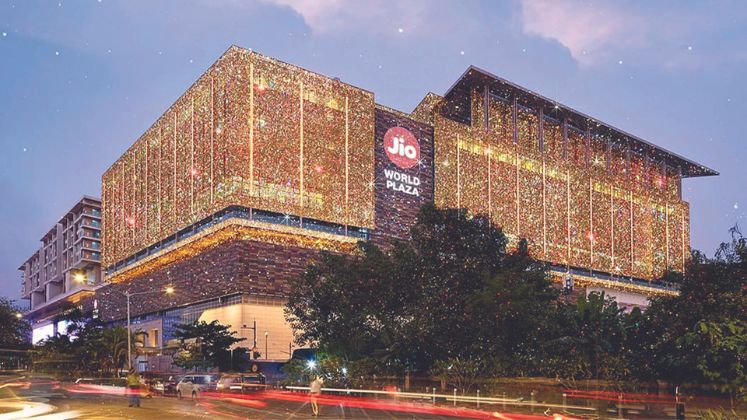
According to S&P Global Ratings, India is set to become the world’s third-largest economy by 2030 and is also poised to become the fastest-growing major economy in the next three years.
On 1st November 2023, Reliance opened Jio World Plaza in Mumbai. Spanning a colossal 7,50,000 square feet, the Plaza is home to 66 globally renowned luxury brands. Notable names include Louis Vuitton, Gucci, Burberry, Valentino, Dior, Balenciaga, Rolex, Bottega Veneta, Cartier, Bulgari, Jimmy Choo and more. Balenciaga which opened its first store at the Jio World Plaza will be reportedly paying a steep monthly rent of Rs 40 lakh. Similarly, Dior has leased two units of 3,317 sq. ft. each, for a pricey monthly rent of Rs 21.56 lakh, according to Mint.
The millionaire count in India is set to rise by 105 per cent by 2026, according to a Credit Suisse report. With this boom, global luxury brands are gearing up to make their mark and expand within the country’s burgeoning market.
The rich are eager to invest in experiences rather than possessions, influenced by the YOLO (you only live once) phenomenon and are recognising the lasting value of indulging in experiential luxury.
According to Nexus Malls, which has a portfolio of 17 malls in 13 Indian cities, the demand from big international brands has increased drastically in post-pandemic scenario. As many as 15 international brands, that stopped their Indian operations some years ago, are now returning to India including new entrants such as Kiabi, Boohooman, Mavi, Miss Poem.
The year 2023 showed that India’s luxury market is on an ascent, despite global economic challenges.
10. 2023’s Fashion Frenzy: Barbiecore, Sheer Renaissance and Denim Revolution
If 2022’s fashion landscape was defined by spectacle, the year 2023 was characterised by a cultural shift. Louis Vuitton, in February, declared its ambition to transform into a ‘cultural brand’. The appointment of Pharrell Williams as Menswear Creative Director embodied this vision, setting a new industry standard where celebrity, art, design, music, fashion, film, food and travel played into a cohesive, creative narrative.
Subsequent months saw brands strategically embedding themselves in cultural moments, fostering collaborations with cross-industry creatives. Versace, for instance, harnessed the influence of the Cannes Film Festival to unveil its collection co-designed by Dua Lipa.
Barbiecore Phenomenon: The fashion landscape of 2023 experienced a notable dominance of the colour pink, with #barbiecore emerging as a prominent trend. Inspired by Greta Gerwig’s Barbie movie, this trend became a bubblegum pink sensation, creating a dopamine rush of inspiration. This phenomenon resonated across social media platforms, with influencers and fashion enthusiasts embracing the trend and contributing to its widespread popularity.
Sheer Clothing Renaissance: Spring 2023 witnessed a remarkable revival of sheer clothing in the fashion world. Designers showcased a variety of styles, including sheer tops over vests and camis, as well as transparent slips layered over tees and jeans. Data from fashion retail platforms and social media trends reveal a substantial increase in searches and purchases related to sheer clothing during this period. Influencers and celebrities played a crucial role in popularising this trend, sharing their sheer outfit choices and influencing consumer preferences. The surge in online shopping data and social media interactions underscores the significant impact of sheer clothing as a major fashion trend for the season.
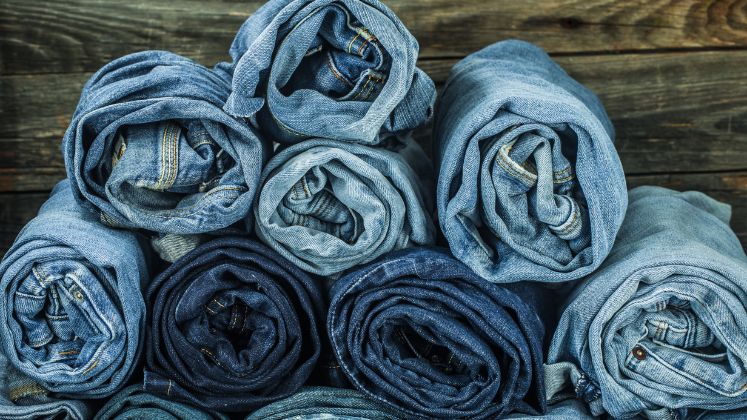
Denim Revolution: The year 2023 marked a revolutionary turn in denim fashion, as designers explored innovative possibilities, pushing the boundaries of traditional denim looks. Runways featured avant-garde styles such as double-waisted jeans, carpenter jeans and even denim undergarments and shoes. Statistical insights from fashion industry reports and runway analyses indicate a notable increase in consumer interest and engagement with denim-related content while sales data from fashion retailers reflects a surge in demand for unconventional denim styles, solidifying denim revival as a significant trend in 2023.
Top Designer Debut of 2023: The much-anticipated debut of Peter Hawkings at Tom Ford in the year showcased a visionary approach that resonated profoundly with the brand’s fan base. Peter Hawkings’ inaugural collection generated an impressive overall Earned Media Value (EMV) of US $ 2.9 million, reflecting an outstanding 82 per cent growth compared to the previous season. This debut not only met but exceeded the high expectations, establishing a renewed momentum for Tom Ford in the competitive fashion landscape.
Fastest Growing Brand of 2023: In the absence of an official social media presence, Bottega Veneta emerged as the fastest-growing brand, showcasing the influence of a robust brand community. Despite the lack of direct engagement, the fan account @newbottega has become the default hub for the Milanese house. Here, fans actively lead conversations, demonstrating the brand’s ability to foster organic engagement and community-driven discussions. This unconventional growth strategy has propelled Bottega Veneta to the forefront of fashion conversations, showcasing the potency of a dedicated and passionate brand following.