With in-person store visits reducing and e-commerce ruling the maximum share of business, in the post-pandemic world, innovation and technology are set to rule the store front.
On the global landscape with lockdowns getting eased in certain countries, the view to retail evolution is becoming very lucid. The technologies and innovation that were just topics of discussion until yesterday are now getting real at every store and touch point. How to engage customers, how to attend to them abiding by the rules of hygiene and safety are now the need of the hour.
As the retail doors are beginning to reopen in India, it is better to grasp on a global perspective. What will consumers want in the new normal world? Let’s hear it from the experts from across the world…
Noticing consumer behaviour
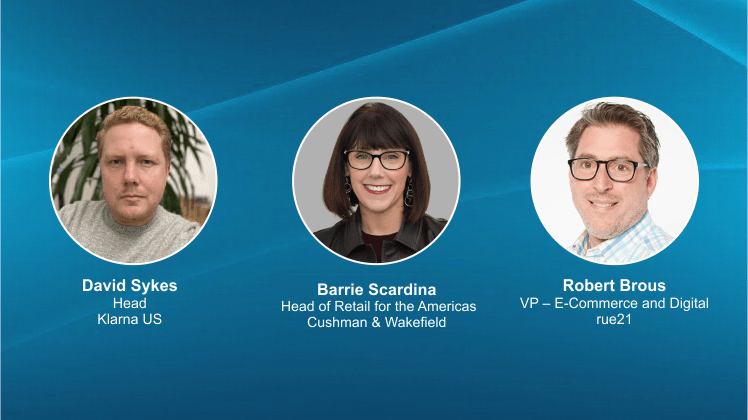
“We have 85 million customers all across the globe and we get nearly 1 million transactions a month. However, what is noteworthy is the shift in demand and how varying and unique it got over the last 3-4 months of the lockdown. The initial phase of lockdown saw heavy purchases that accounted for the stock up for the unprecedented idea and then in the next phase, demand for athleisure and DIY products started increasing. Certainly, home played the central theme for all shopping and customers went on to shop for home in every category they explored,” mentioned David Sykes, Head of US, Klarna, while interpreting the customer behaviour shifts he has studied all through the lockdown.
In a similar vein while talking about the consumer responses in Europe and China, Barrie Scardina, Head of Retail, Americas at Cushman & Wakefield, said, “With parts of the UK opening up, the consumer response to stores as compared to the same time last year is way too less and it is a sparingly low 16 to 18 per cent walk-in as compared to earlier. However, consumers are spending and the conversion rate for this small fraction of audience is fairly high. The walk-ins to open area stores or shopping centres are certainly more as compared to smaller private stores. This, we are sure, is owing to the thought of social distancing.”
Taking a strategic step to rebuild the ecosystem
Cushman & Wakefield has worked out an eight-point strategy that they have made the whole retail environment aware about during the lockdown period. These steps allow the retailers, mall owners and every other store or brand entity to rethink the ways in which they can reach out better to their customers in the new normal world. From technology adaptations to newer contactless payment methods to sanitisation and safety norms to ways of making shoppers and sales people comfortable in the new normal, everything finds a place within this eight-point strategy.
Robert Brous, VP of E-Commerce & Digital, rue21, said, “Safety for us has been the primary outcome of all strategies that we have done in order to start our journey into the post-COVID-19 world. From masks to sanitisers for all sales staff to educating our staff on hygienic product handling to keeping the store clean and sanitised at all hours, we have also worked towards implementing newer technologies. We have shifted gears and have adapted the new cashless ways of shopping on the one hand, and on the other hand, we have also worked towards recreating our online experience similar to the offline experience. Giving the customer a store visit like experience digitally allows us to connect better with our shopper base.”
Brands and retailers are working newer tactics and are redefining their usual ways of working to accommodate the change that the new normal world has brought with it. Both Robert and Barrie agree that the demand for categories like womenswear and its particular sub-categories like formals, wedding or occasionwear, and the likes has reduced. Now with working from home being the way of life, people are spending on homewear and athleisure. Spending for comfortable clothing has increased considerably.
Value addition on in-store experience
David Sykes highlighted that the ‘retail experience’ matters now in the post-pandemic world more than ever. Whether it is giving customers a taste of virtual reality or treating them uniquely with a futuristic technology, it is all about offering an experience that they were unfamiliar with until yesterday.
“Engaging the customers while they are waiting outside your store in queue or while they are waiting their turn to get a chance to browse the collection abiding by social distancing norms is of utmost importance right now. You have to understand that people are coming out of their homes to visit your store taking a very big risk of safety, so you will have to offer them something extra, something worth their while just to make them come again and again to your store. VR, smart mirrors and social media-driven effective marketing strategies will keep them engaged. Also, now is the time that brands should consciously and strategically decide on the technologies they want to invest in so as to drive topline sales. Even though with the cash flow reducing, this investment may seem a little ambitious, but wise technology choices will help them stay closer to the customer and attract them in the post-pandemic world,” elaborated Barrie Scardina.
Also Read: Contactless, appointment-based, tech-driven shopping: Rethinking retail post lockdown
Counting on the positives
Robert Brous mentioned that the cash buying trend has not completely diminished, and for his brand, even though the credit and contactless payment has taken the centrestage and is drawing in maximum customers, the cash purchases have not stopped and that is a positive sign that definitely keeps the business running. Also, the pattern of buying has changed demographically and the worst COVID-19 hit areas do show lesser buying trends as compared to the safer zones.
The world of retail is yet to see its own share of evolution in the coming days, and these perspectives by some of the leaders within the domain from across the globe help us gauge what we are up for. This certainly prepares us to see the pandemic with more confidence and works as a way forward showing us the ways in which we can alter processes to accommodate newer customer sentiments.
Also Read: Click & shop: Will the industry take to online ordering for fabrics and apparel?