
In fashion, what is hot today can end up gathering dust tomorrow. This is why agility is no longer a nice extra, it is survival. Small Order Quantities (SOQs) have gone from being a side experiment to becoming the main way many apparel brands in India operate. The old game of betting big on a handful of designs and crossing your fingers they will sell is quickly dying out. These days, the winners are the brands that launch fast, learn on the move and are not afraid to change course.
One big reason for this change is the boom in India’s D2C apparel and footwear market. Valued at around US $ 3 billion in 2022, it is set to grow to US $ 14 billion by 2027, growing at 35% in a year. Behind the scenes, manufacturing partners have upgraded their skills and systems to handle smaller, more frequent orders without sacrificing quality. This has created a win-win. Young brands get the flexibility they crave for and manufacturers enjoy a steadier, more varied order booking.
Other forces are shaping the shift too. Social media trends can explode and fade in weeks, forcing brands to refresh styles at lightning speed. E-commerce has unlocked niche audiences that can be served with short runs of targeted products. Advancements like digital printing, on-demand manufacturing and AI-powered demand forecasting have made small runs quicker and cheaper. With sustainability gaining ground, making only what you can sell has become the smarter way to cut waste and avoid overstock.
This is not just an Indian story. Around the world, boutique buyers, ambitious new labels and even established retail giants are choosing smaller, sharper orders to manage risk, test ideas and keep pace with changing tastes.
SOQs are not just about making less. They are a safety net against deadstock, a low-risk way to test new designs and a proven way to keep customers excited about fresh styles. Of course, they have their challenges. From sourcing fabrics in small quantities to keeping the supply chain running smoothly and balancing flexibility with efficiency, making SOQs work requires planning and skill.
To dig deeper into why SOQs matter, how brands are making them work and what their future might look like in India’s D2C market, we spoke to experts and industry insiders.
SOQs Must for Business Viability
Experts say predicting which design will click is every founder’s Achilles’ heel.
“SOQs are not just a tactical move; they’re a survival strategy. They let us refresh our catalogue every week. We’ve tried every predictive model and analytical tool out there, but none offer a guaranteed answer. The only way to stay agile is to launch fast, fail fast and learn faster. SOQs give you that agility,” said Nitin Kapoor, CEO, IBA Crafts, a fashion tech start-up that uses its Just-In-Time (JIT) platform to help entrepreneurs, influencers and early-stage brands build scalable fashion labels without holding inventory.
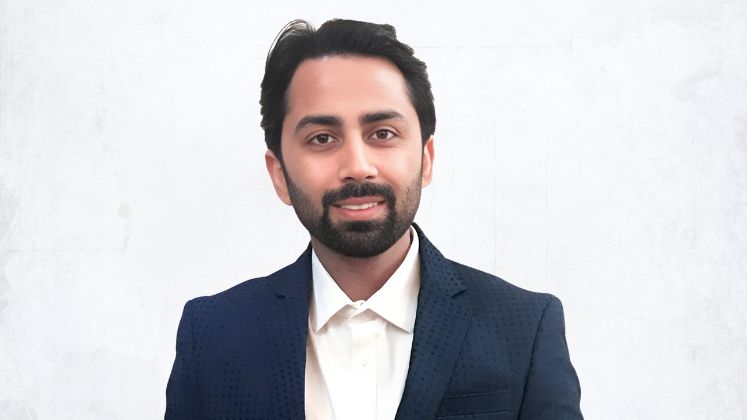
| “SOQs are not just a tactical move; they’re a survival strategy. They let us refresh our catalogue every week. We’ve tried every predictive model and analytical tool out there, but none offer a guaranteed answer. The only way to stay agile is to launch fast, fail fast and learn faster. SOQs give you that agility.” – Nitin Kapoor, CEO, IBA Crafts |
He further mentioned that many in the industry have seen products launched with high hopes end up sitting unsold in warehouses, later marked down just to recover capital. The bigger loss, however, is the opportunity cost, money tied up in deadstock that could have funded fresh designs to keep customers coming back. “In today’s market, loyalty is driven by constant novelty,” he further added.
| 25 to 500
Small order quantities or low MOQs (Minimum Order Quantities), usually range from 25 to 500 pieces per design, depending on the manufacturer and garment type. |
“For us, SOQs are part of a two-phase strategy. In the first phase, we launch a large number of designs, often 100 to 150 styles per month, but in very small quantities. We expect that only about 20-30% will actually perform well. But even if only that percentage works, it helps offset potential losses from the rest,” said Ashwini Seth, CEO, Dennison India, an emerging workwear apparel brand.
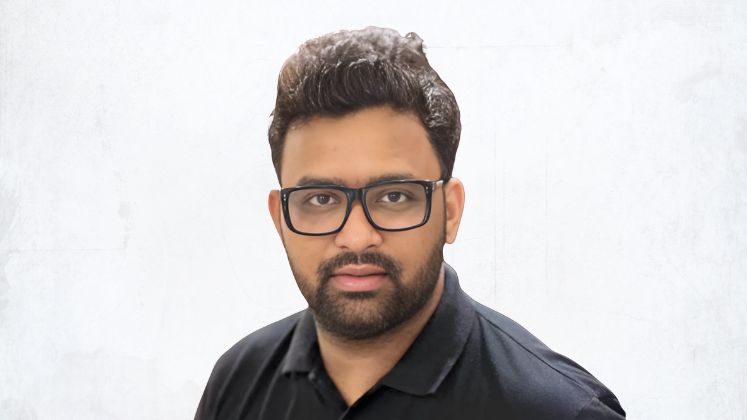
| “For us, SOQs are part of a two-phase strategy. First we launch a large number of designs, often 100 to 150 styles per month, but in very small quantities. We expect that only about 20-30% will actually perform well. But even if only that percentage works, it helps offset potential losses from the rest.” – Ashwini Seth, CEO, Dennison India |
SOQs help a brand to quickly see which styles people like, which colours they buy and what prices they are comfortable with. Using this information, Dennison moves to the second phase, where it makes more of the designs that sold well. It is a lean approach, and for bootstrapped brands, starting with small quantities is often the only viable path.
However, not everyone sees SOQs the same way. Karan Singh, Founder and CEO, Aristobrat, an affordable luxury menswear brand that makes Rs. 15-20 crore per year with an EBITDA margin of about 17%, believes SOQs can sometimes signal limited confidence or scale. “Let’s be honest, SOQs are often a stop-gap, not a long-term strategy,” he said. In his view, brands should aim for flexibility in production rather than just small quantities. With the right planning and investment in the supply chain, large orders can be split into smaller batches without losing efficiency.

| “SOQs are often a stop-gap, not a long-term strategy. Brands should aim for flexibility in production rather than just small quantities. With the right planning and investment in the supply chain, large orders can be split into smaller batches without losing efficiency.” – Karan Singh, Founder and CEO, Aristobrat |
“Even big brands launch hundreds of designs and only 20% succeed. SOQs don’t change that. What matters more is having a system that lets you adapt quickly to what the market is telling you,” he added.

Manufacturing, Sourcing and Efficiency Challenges
One of the biggest challenges for small fashion brands is meeting the high minimum order quantities (MOQs) set by suppliers. Fabric mills often demand 1,000 to 1,200 metres, a risky commitment if the design is untested.
Dennison India has tackled this challenge by building a network of mid-level suppliers who buy in bulk and resell in smaller quantities. “We pay a premium for this, but it allows us to test new designs with confidence,” he said. When past data strongly suggests a trend will work, Dennison commits to larger quantities.
| Manufacturers are becoming more open to small orders. Some now keep grey fabric (and in a few cases, ready fabric) in stock, have separate production lines for small orders and are adjusting their pricing approach. Earlier, small orders often came with higher prices because manufacturers preferred larger orders. But now, as regular buyers also place small orders without paying extra, the idea that small orders must cost more is gradually fading. |
To improve efficiency, the brand now controls 80% of its raw material sourcing. It supplies the material directly to manufacturers, reducing dependency, increasing transparency and avoiding delays when replenishing stock.
Dennison has also invested in tech backend, developed with an IT partner, that lets manufacturers view order-level demand in real time.
Similarly, Karan Singh believes the real lever of control lies in fabric. “The brand and the manufacturer carry the most risk in the supply chain. The brand can cancel; the manufacturer can deliver poor quality. If you control the fabric, you control timing, cost and differentiation,” he said. His team partners with mills for annual planning and invests early, reducing delays, keeping manufacturers happy and setting the brand apart.
Meanwhile, IBA Crafts has taken a different path. “We’ve built our business on ‘Just-In-Time Garment Manufacturing,’ inspired by Toyota,” said Nitin Kapoor. Using in-house AR/VR tools, customers can browse and customise designs, production starts only after an order is placed. White-grey fabrics are printed, cut, sewn and shipped within 48 hours. This approach eliminates finished inventory, reduces guesswork and keeps operations capital-efficient, while automation brings made-to-order costs close to wholesale manufacturing.
Looking ahead, Ashwini Seth said, “Our journey is milestone-based. First Rs. 100 crore, then a billion-dollar brand. But I don’t want to depend only on small orders forever. We’ll keep SOQs for premium custom products but will scale mass production for proven designs.”
Karan Singh added, “The companies that survive will be the ones that are financially smart, careful with inventory and driven by technology. Most importantly, they know exactly who they are. I’m not in the apparel business – I’m in marketing. Apparel is just what I sell today. Tomorrow, it could be something else. That’s the mindset D2C founders need.”