With the outbreak of COVID-19 pandemic and the subsequent lockdown across the country in order to contain the spread of the virus, businesses across segments have been severely affected. Among various segments, apparel has been the worst hit and the industry leaders and associations opine that it will take more than a year to revive.
While the country has entered the fifth phase of lockdown with relaxations from the Ministry of Home Affairs on reopening retail stores in all the zones, except for the containment zones, retail brands are still going back into operations in a staggered manner. Even as the online firms have maintained that they are witnessing steady growth in traffic after the new MHA directives, apparel retailers are of the opinion that the entire process of restarting operations from gearing up to the new market to strategising to survive and then revive themselves will be a long process and would require a new and effective plan of action in place.
Also Read: Fashion retail industry strategises to move from survival to revival post COVID-19
Among many others, Biba, an ethnicwear brand with retail presence of over 208 exclusive stores in over 78 cities pan India besides presence in major large format stores, is continuously strategising to adopt the new normal with the opening of few of its physical stores.
In a tête-à-tête with Apparel Resources, Siddharth Bindra, Managing Director, Biba, talks about the impact of COVID-19 on apparel sector as also the brand’s strategies to cope with the current situation whist bringing back the consumers to the stores.
Also Read: Start-ups strategising to embrace the ‘new normal’

How has the apparel or fashion retail sector got impacted as a result of the coronavirus outbreak? How is Biba bracing up to tackle the fallout?
Siddharth: Due to the lockdown, the retail sector centred around lifestyle, experiences, etc. has suffered the maximum losses. The sales have come down to nil, as all offline stores shut down across the country. Retail is a unique industry where fixed costs are extremely high and we have a situation where we have had zero revenue since over 5 weeks now. While it’s too early to comment and plan anything, as all the critical decisions depend on the containment of the COVID-19 spread, we hope that the current situation is short-lived and the solution to this crisis will soon emerge.
The industry opines that there needs to be a structured opening of retail stores. What factors will decide the opening of an outlet in a particular area? What will be your strategies while opening the retail stores to the consumers post the lockdown period?
Siddharth: We welcome the Government’s decision to allow retailers to serve people safely with products. We will refrain from opening up stores in containment areas, and will open up stores only in green and orange zones where there is less restriction in movements and other activities. We will go as per the guidelines that are coming from the State Governments on the time and days of operations.
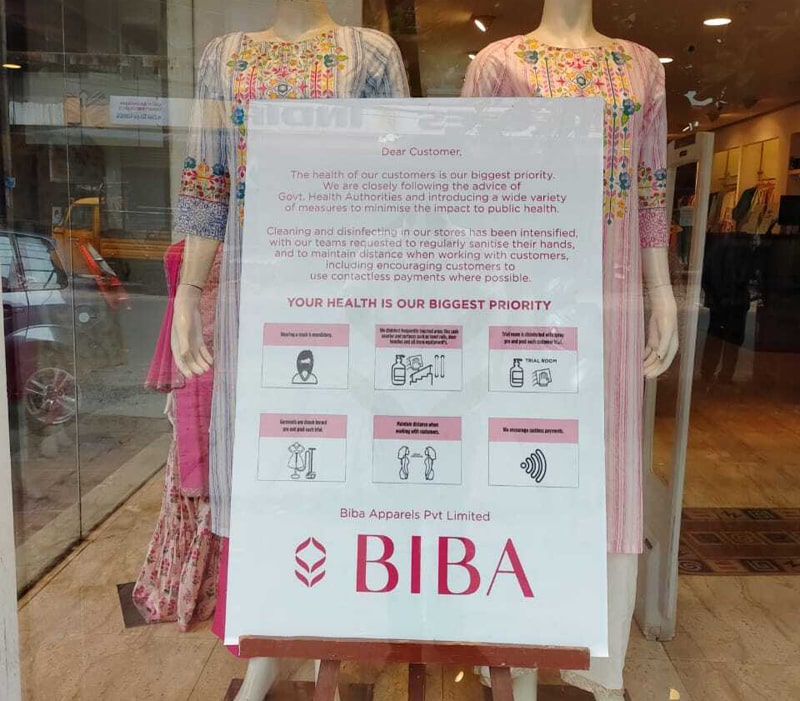
Furthermore, we will take all necessary precautions and sanitise stores once they open. Our staff is being trained on all the necessary measures that need to be followed. We will ensure social distancing is maintained, and will promote touchless cash point while encouraging digital invoices and payment transactions for customer convenience. Also, we will be installing sanitisation points at the entrance of the store and various other touch points within the store. It would be mandatory for both customers and store staff to wear masks at all times. The option of trying on the clothes will be there for anyone who feels comfortable doing so. Trial rooms will be sanitised before and after every use. The garments that have been tried will be kept in a separate room for 24 hours post which they will be steam ironed before bringing them back to the floor.
While a number of retail leaders are talking about appointment-based shopping, do you think this will be a successful model in the times to come?
Siddharth: In the current situation where it is difficult to define a new normal, we will try new things. Appointment-based shopping can work right now since customers do not want to take risks and will be spending limited time outdoors. In terms of technology-based innovations, we agree that this is the time to innovate and move to digital space very quickly. We are working on some at our end too. Digital payment methods are already in use.
Also Read: How technology encounters e-commerce challenges
What happens to the existing stock of S/S?
Siddharth: It is very difficult to plan if one is unsure about when the market will open and how the business sectors will respond, nevertheless, the company is geared up to open in a safe environment as and when business resumes. We also believe that e-commerce will play a leading role once business restarts.

How is Biba strategising keeping in mind the impact from more entrenched consumer slowdown as markets crash and buying power shrinks?
Siddharth: In my view, this is a very deep crisis. We will only have permanent recovery once we have a cure or a vaccine and it’s very important for brands and companies to survive this period. I do, of course, expect a huge rebound and recovery post that. Consumers too will take time to come back to the stores.
High street stores will still see some action, but stores in shopping malls have a longer wait. Many retailers rely on high footfalls which will be difficult to achieve in the next few months, as most of the customers will prefer online shopping during this recovery period. Normalcy depends on how soon we have a cure for this infection.
What are your demands from the Government post lockdown?
Siddharth: We, fashion retailers, are facing a massive financial crisis and we are eagerly awaiting a package from the Government for the retail sector. Post lockdown, the retail sector urgently needs working capital support, subsidy for employee wages, lower GST rate to bring the demand back to the sector. A moratorium for mall owners is also important so that they can extend rent-free periods for retailers to be able to survive the current crisis and the times ahead to recover from the current crisis.
Getting back on track will be a long journey, and without the Government support, it won’t be possible to recover in the next few months, as the entire retail industry is witnessing uncertain and challenging times more than ever.
Also Read: Contactless, appointment-based, tech-driven shopping: Rethinking retail post lockdown