Premium fashion continues to command strong aspirational appeal in India, but its definition is undergoing a significant shift, according to a report by Deloitte India. The study notes that premium is no longer determined solely by higher price points, but is increasingly associated with quality, authenticity and longevity. Consumers are placing greater emphasis on superior fabrics, improved fit, thoughtful design details and ethical production practices as core elements of premium value.
The report identifies mid-premium apparel—typically priced between Rs. 3,500 (US $ 38) and Rs. 7,000 (US $ 76)—as one of the fastest-growing segments in the Indian fashion market. Deloitte estimates this category will expand at a compound annual growth rate (CAGR) of around 25%, supported by rising disposable incomes and a growing preference for quality-led fashion choices.
Premium apparel is expected to grow even more rapidly, with a projected CAGR exceeding 45%. This acceleration is being driven by heightened consumer aspirations, increased exposure to global fashion trends and a rising willingness to invest in fewer, higher-quality purchases. Notably, demand for premium fashion is no longer confined to metropolitan centres, with Tier-2 and Tier-3 cities emerging as important contributors to growth.
The report also highlights a cautious but considered spending approach among consumers. Most premium fashion purchases are timed around discounts, festive seasons or special occasions, reflecting a mindset in which higher prices are justified through tangible value rather than impulse buying or trend-driven consumption.
A key indicator of changing behaviour is the growing openness to brand experimentation. Nearly 40% of consumers surveyed reported trying a new fashion brand over the past year. Deloitte attributes this trend to trusted recommendations, peer influence and accessible pricing, which together help reduce the perceived risk of experimenting with unfamiliar labels.
Younger and urban consumers are increasingly gravitating towards emerging and mid-premium brands that offer differentiation without steep price escalation. The report notes that social media, influencer marketing and digital storytelling have accelerated brand discovery, allowing fashion labels to establish credibility and emotional connections with consumers more quickly than in the past.
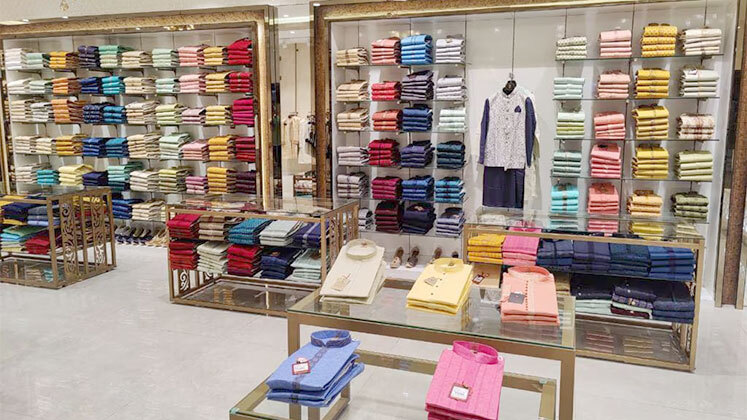
Beyond product and price, experience is emerging as a critical factor in purchase decisions. Despite the rapid growth of digital discovery and e-commerce, physical retail remains influential. Around 30% of shoppers cited sensory engagement and in-store experience as key drivers of their fashion purchases.
Anand Ramanathan, Partner and Consumer Industry Leader at Deloitte India, said Indian fashion consumption was entering a more confident and discerning phase. He noted that consumers were no longer pursuing fashion for volume or visibility, but were increasingly seeking meaning, durability and confidence in their purchases by evaluating a brand’s purpose and promise. He added that as aspirations rise, trust, transparency and access become more important, and that brands capable of balancing premium perception with affordability and relevance are likely to shape the next phase of growth in India’s fashion market.