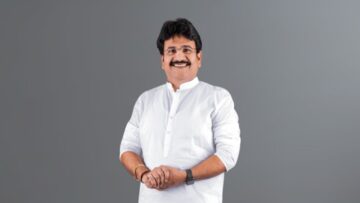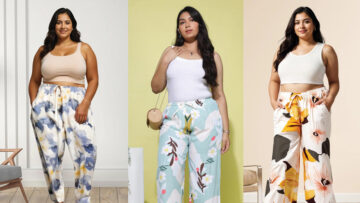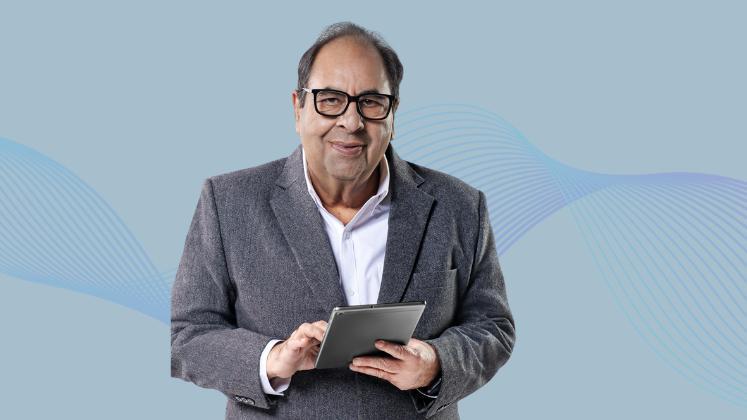
The Indian retail landscape is on the brink of unprecedented growth. With infrastructure booming in every corner of the country, new horizons are opening up for the fashion industry, claims Balbir Kumar, Chairman and Managing Director, Octave Apparels, a prominent lifestyle brand selling five million garments annually and boasting over 400 outlets nationwide, along with a significant global presence. In an exclusive interview with Apparel Resources, the 69-year-old unveils his ambitious expansion plans, shares his optimistic outlook for the Indian market and delves into the unique selling points that have set Octave apart. Edited excerpts:
AR: How has been your journey so far?
BK: I founded Octave Mettle in 1991. We initially started as a T-shirt manufacturer and gradually expanded into manufacturing sweatshirts for the winter season. We are based in Ludhiana and began by working with MBOs till 2000. A year later, we opened our first store in Chandigarh. Since then, our growth trajectory has been incredibly exciting, and today, we boast nearly 400 outlets across India, primarily focusing on the northern regions of Delhi, Uttar Pradesh and Punjab. For instance, in Punjab, we’ve already established a strong presence with over 120 stores, and in New Delhi, we’ve expanded to 60 outlets. Additionally, we have established channel partners for different territories and collaborated with distributors and agents, ensuring our presence in some of the best MBOs across India. You can find us in nearly 400 Reliance Trends stores across the country. At Octave, Men’s Polo and Tees are bestsellers in spring and summer, while sweatshirts and tracksuits dominate the autumn and winter seasons.
AR: What are your plans for expansion, both domestically and internationally?
BK: We’ve already established our presence in the UAE with 28 stores. You can find us in prominent locations such as Bur Juman Mall, Dalma Mall, City Centre Deira and several other prime spots across the UAE. Expanding further, we’ve also set our footprints in Dar es Salaam, the largest city and financial hub of Tanzania, Nairobi, Kenya and we’ve ventured into New Zealand with two stores. Our engagement with Dubai stores has been instrumental in reaching out to potential buyers, including those with chain stores in South Africa, Iraq and Mauritius. We’ve made significant progress in building relationships with several key buyers who appreciate our minimalistic collections tailored to their needs. These interactions indicate promising opportunities for future transactions and further growth. However, our current focus is directed towards India, particularly Rajasthan, Uttar Pradesh and South India. When we expand into cities like Hyderabad or Bengaluru, we ensure a significant presence by opening multiple stores. For instance, entering Bengaluru would entail opening at least seven to eight stores to truly establish our brand presence.
AR: What portion of your revenue is generated from international markets compared to domestic markets?
BK: Approximately 8 per cent to 10 per cent of our total business comes from overseas markets. Over time, we’ve observed a shift in this percentage. Around four years ago, international sales accounted for a higher percentage, approximately 20 per cent. However, as we’ve been expanding our presence through our stores domestically, the scale of our domestic operations has been growing aggressively. Therefore, the percentage of revenue generated from overseas markets has gradually decreased. Nonetheless, we are actively working to enhance our international sales volume through strategic initiatives. Despite this effort, the growth rate of our overseas sales is not as rapid as that of our domestic sales.
AR: What’s your turnover?
BK: Well, these figures are typically kept confidential, but since you’ve inquired, our realised turnover stands at close to Rs. 600 crore+ (yearly). If we consider the MRP turnover, it’s approximately around Rs. 1100. Our manufacturing operations are based in Ludhiana, India, where we operate five facilities housing almost 2000 sewing machines and we employ a workforce of nearly 3000 individuals. We source yarns for our knitted fabrics from local traders and importers. All fabric production and processing are done domestically. Our focus is on sourcing materials locally from India.
AR: What is the USP of your brand?
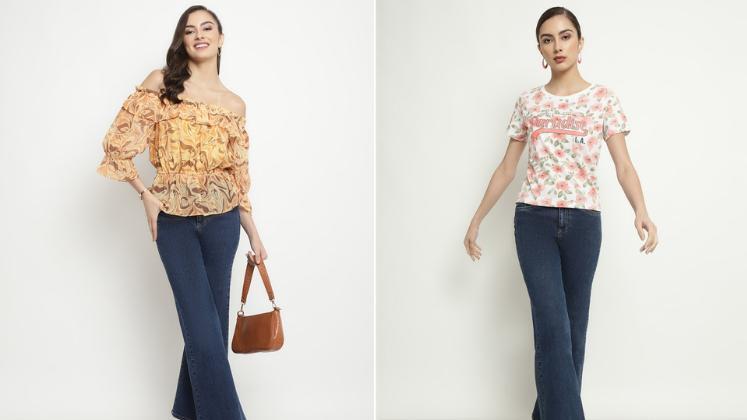
BK: Our fashion philosophy is hugely inspired by European trends. My team and I frequently travel to some of the most fashionable countries globally, including the Netherlands, the UK, China and Turkey. During these trips, we curate the latest and most stylish fashion pieces. Upon returning, we customise these selections to suit our brand’s aesthetic, ultimately presenting our unique collection. Our USP lies in offering the latest fashion trends coupled with high-quality fabrics at affordable prices. Compared to our competitors, we’re approximately 30 per cent more budget-friendly, making our offerings accessible to a broader audience. We firmly believe in offering genuine pricing, with minimal discounts to maintain the value of our brand. As part of our expansion efforts, particularly through COCO (company owned company operated outlets), our focus remains on maintaining consistency in the store ambience, inventory levels and overall decorum. As a result, we’re primarily investing in COCO rather than relying heavily on franchisees. Out of our nearly 400 stores, approximately 250 are COCO, ensuring a cohesive brand experience across all locations. When designing our collections, we ensure inclusivity across all age groups, ranging from 16-year-olds to those in their 60s or 70s. We feature designs that resonate with university students, while also incorporating minimalist styles tailored to the mature audience. From trendy fashion pieces to more sophisticated designs on the lines of Massimo Dutti (Spanish premium clothing retailer), we strive to cater comprehensively to the diverse needs of our target market.
AR: What is your outlook on the Indian market?
BK: The retail landscape is evolving rapidly, with numerous avenues and outlet malls emerging, presenting ample expansion opportunities. This trend is expected to contribute substantially to our growth trajectory. Unlike in the past, when retail options were limited to high streets and a handful of malls, the infrastructure development in every city across India is opening up new possibilities. With the emergence of outlet malls and well-maintained high streets, the potential for retail expansion has multiplied several times over.
AR: How do you utilise technology to enhance in-store experience?
BK: In our flagship stores, we’ve implemented interactive screens where customers can easily shop online if a particular size is unavailable in-store. This seamless integration allows for home delivery of the desired item. Moreover, we’ve synchronised our inventory across different store locations, making it visible online. If a customer places an order from, let’ say, Kota in Rajasthan, and the desired item is unavailable there, the order is redirected to the nearest store with the item in stock. If it’s not available in Jaipur, the order travels further to the Delhi store. From there, the item is picked up directly from the store and delivered to the customer. This streamlined process significantly reduces delivery time and costs, aligning with our bedrock economics strategy.
AR: What about your online growth?
BK: We’re accessible through various online portals and platforms, including our own portal. However, we’re not placing a significant emphasis on creating exclusive collections for online sales. The online market tends to be heavily discount-oriented, and as we have a strong presence in offline stores, we aim to maintain consistency across both online and offline channels. Contradicting our offline store presence wouldn’t align with our overall strategy.