Gone are the days when shopping for new fashion was an obligation or it needed to drill a big hole in your pocket. Leaving behind the hassle of stepping out and trying myriad items before settling on one, the subscription industry is eliminating the woes of shopping by bringing everything from clothing to books to jewellery to your doorstep.
Subscription boxes started out as a concept that delivered a curated collection of essentials to you for a specific price per month, just like subscribing to a magazine. But, this concept has come a long way to adapt to the needs of the consumer with these models no more binding them for a certain number of months or items. Subscribers can choose what to keep and only pay for that, they can also choose to only pick up one box instead of one each for the next 6 months, therefore liberating themselves from the shackles of necessitating monthly payments.

Although still in a nascent stage, the American millennials are already privy to the process. As much as 31 per cent of this segment is subscribing to at least one subscription box.
In India, Krate is somewhat a pioneer in creating a subscription model for men. It was born with the intention of making the experience of shopping for clothes pleasurable, hassle-free and luxuriously affordable. Without waiting in lines, video calling peers and mothers to find out what looks good on them, Krate is providing the modern men a chance to leave it up to the professionals in this field to provide the latest styles.
In order to understand the industry better, especially at a time like this when shopping seems like a dream far away, Apparel Resources spoke to Suprathik Reddy, Co-Founder, Krate, to get some insights.
What was your inspiration behind Krate?
Suprathik: Our inspiration came from a couple of things. We started with the market research on how men shop in India and realised that a lot of them are brand loyalists. Clothing as such is viewed as a commodity and as an essential that everyone needs. And, usually essentials work very well for the subscription model.
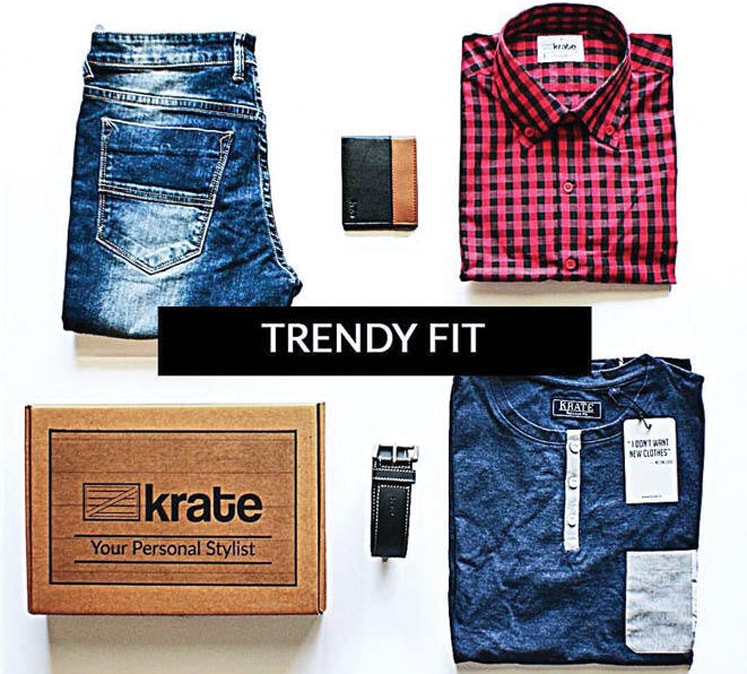
Most men in India can’t decide what suits them and always want company while shopping. So, we realised the need for a personal stylist who could give you a curated box on a monthly basis. The thing with men is that they may not be abreast with the latest styles or fashion and end up just picking up stuff from Zara and H&M. And, although it’s fast fashion and available at a premium affordable range, but you wear them two or three times before moving on to the next thing.
We thought of offering premium clothing at a premium cost for people who love fast fashion and made it into a subscription model on a monthly basis. This is also the way we have a better idea of our inventory and what to put in each curated box. It’s a win-win situation for both sides because we don’t need to have a huge inventory that even big e-commerce players are burdened with and the customers can take a quiz and load their preferences on to the platform, and on a monthly basis, we try sending out a capsule wardrobe. They can mix and match the items throughout the season.
How would you describe the current status of this industry in India and how is it evolving?
Suprathik: Subscription as an industry is in a very nascent stage. The concept stems from the idea that people do most things on a monthly basis like paying their bills, but in the past people have felt locked in with subscription box models. The fear was that you’d be stuck for a couple of months because you pay for them a few months ahead. The whole idea with subscription now is that the customer feels it’s in my hand and there is no pressure to take a certain number of items or boxes for months.
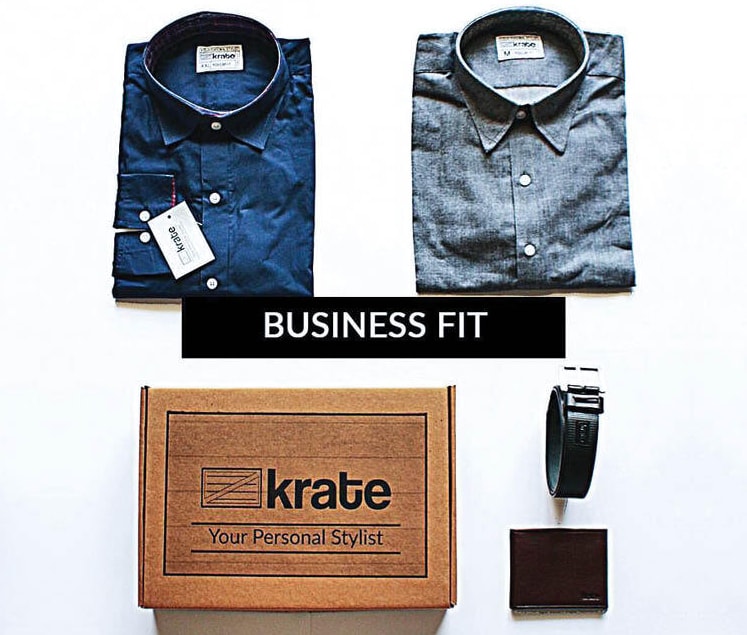
The customers are also very engaged and they want to come on every month and change their quiz answers. The industry is definitely evolving and there is response from the customers, but it’s still at a very nascent stage because the whole idea of subscription needs more awareness.
Like online payments, what are the various driving factors of this market?

Suprathik: Most of our customer base is between the ages of 18-35, and the majority lies between 22-35. This is the age group that is largely working and has a good spending capacity. That being said, we also see a lot of college kids who end up taking a box every now and then. The working class often feels the need to revamp their wardrobe.
Also, when people shift from tier 2 and tier 3 cities to metros, their fashion trends change and they learn to adopt the ways of the new city with clothing essentially being one of the first things they change. This is a huge driver for the market.
Apart from that, a lot of credit can be given to social media. Earlier, you couldn’t know what the trends all over the world are, but now fashion is very accessible. That is the fashion we try to provide with each box.
What are the challenges associated with this industry?

Suprathik: Initially, most of the subscription boxes either carried jewellery or accessories and there were none for clothes or apparels. There were rental facilities, but the area of subscription lacked apparel in general. So, the whole idea of spreading awareness about clothing in subscription boxes wasn’t just selling clothes. It was getting people on board, making them understand how it works and why they will not need to shop every month.

What is your business model? How many repeat customers do you see?
Suprathik: Our business model is very simple. We just have one box for Rs. 1,499 a month and you get 2-3 items. You start off with a quiz with six simple questions about the styles and occasions you would need the clothes for and we provide a curated box from the various styles we possess according to your size specifications.
Everything is made in-house. We’re a data driven company and it is according to the customer data we receive every month that we decide what to make. The designing happens every month and we follow the latest trends from WGSN, but do not believe in sourcing from other brands at all.
We already have over 10,000 subscribers with a repeat rate of around 60-70 per cent. The brand is also growing steadily with the help of social media channels like Instagram and Facebook. Our SEO is also good at bringing in traffic.