Italian apparel retailer OVS is positioning India as its most significant market beyond its domestic base, adopting a cautious and structured expansion approach amid a competitive retail landscape and measured consumer demand.
OVS is an Italian clothing retailer, commanding over 10% market share domestically and operating an extensive network across Europe, including Spain.
Sundeep Chugh, Chief Executive Officer of OVS India, stated that the company’s mandate is to establish India as its leading international subsidiary. He indicated that OVS intends to build a flagship-led retail presence rather than pursuing a fragmented store rollout.
Unlike several global peers that have expanded aggressively in India, OVS is pursuing a calibrated growth strategy. Chugh noted that the company plans to open 25 to 30 stores over the next five to seven years, using each outlet to refine its operating model before scaling further.
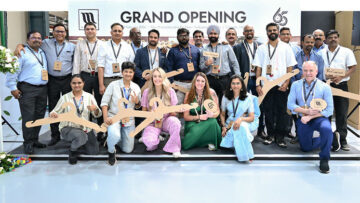
Currently, OVS operates two stores in Delhi and Mumbai, with another scheduled to open in October. The company aims to reach seven stores by the end of next year. Initial expansion will remain focused on metro markets such as Delhi-NCR and Mumbai, followed by cities including Pune and Chandigarh. Entry into Tier-2 and Tier-3 markets is expected only after 2029.
Alongside its physical retail strategy, OVS is deliberately delaying its entry into e-commerce in India. Chugh explained that the company aims to prioritise in-store engagement to better understand consumer preferences, refine its offering, and establish a scalable retail template. He added that while Indian consumers are aspirational, they remain cautious in their spending behaviour.
Early data from OVS’s Delhi store indicates a primary customer base in the 18–34 age group, with strong demand in everyday fashion categories at accessible price points. The brand is positioning itself within an average selling price range of Rs. 1,800 (US $19) to Rs. 2,200 (US $23), aiming to balance affordability with aspirational appeal.
OVS also indicated that it intends to maintain pricing in India broadly aligned with its western markets, diverging from the typical strategy of premium pricing adopted by many international entrants.