The last decade of phenomenal growth for the luxury industry has come to a crushing halt due to the catastrophic ramifications of coronavirus for the retail world, both mass and luxury alike. Brands catering to the crème de la crème of the society are set to lose up to €10 billion in profits this year alone, with little chances of returning to normalcy before the start of 2021, according to a report by BCG and management firm Bernstein.
The outbreak which started in early January, and spread its wings to almost the entire world after making China the epicentre, has rocked the global economy and stock markets since. The epidemic has made glaringly apparent global luxury brands’ reliance on Chinese consumption, and for mass and mid-market fashion brands, on the country’s manufacturing and supply. Brands from Burberry to Apple have been forced to revise their guidance, while in its latest results, Versace owner Capri Holdings said it is anticipating a US $ 100 million reduction in revenue during the next quarter.
Also Read: Inventory glut due to COVID-19: Apparel retail industry looks for the best way out
That is not all, from Gucci owner Kering Group announcing 25 per cent pay cuts for the management, Brunello Cucinelli declaring declining profits and Hugo Boss expecting up to 50 per cent reduction in sales for the second quarter to Neiman Marcus teetering on bankruptcy, the world of luxury is brimming with news of unemployment figures stemming from mandated store closures for months on end.
The indulgent, nonessential nature of luxury retail, at first glance, is placing the sector in even hotter waters. Consultancy firm Bain has released a study revealing that global sales of luxury goods are expected to slump 50-60 per cent in the second quarter even as countries begin to ease restrictions and lift lockdowns.
Facing the pandemic head on
As disparaging as all this looks, there are always outliers. There are innumerable signs and estimates declaring the fall of luxury as an industry, but there are outcomes even the brands have not predicted. Despite Bain’s estimates, a recent rebound in China, where the lockdown has been gradually eased since March, is helping offset some of the decline in Europe and the United States.
Bottega Veneta saw a 10 per cent increase, and Hermès’ flagship in Guangzhou garnered US $ 2.7 million in sales in one day. Also, Capri Holdings, which owns Michael Kors, Versace, and Jimmy Choo, saw an 11.9 per cent increase in Q1. Still, the global economy as a whole is unsteady, and any glimmers of hope could darken as cases of the coronavirus continue to rise. But with immense resources at his disposal, it’s no wonder why Francois Henri Pinault is confident that fashion brands — at least the big ones —“will all emerge from this period of uncertainty at the top of their game.”
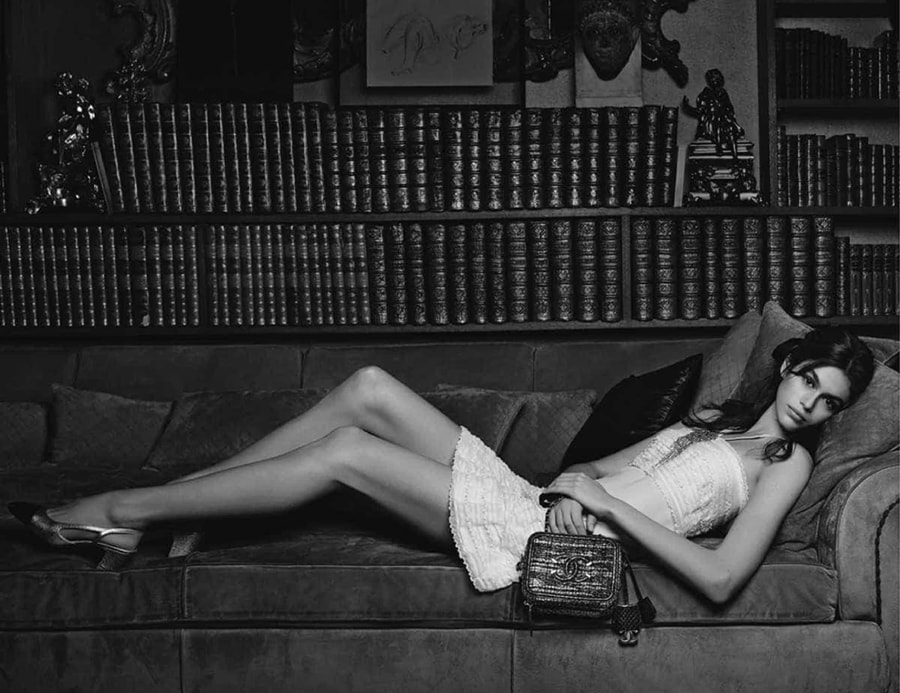
Bearing their value in mind, luxury houses are going about business as they usually would. Owing to increased raw material costs, Chanel has raised the prices of its handbags and some leather goods between 5 and 17 per cent. What’s more is that the news sent the frenzied patrons of Chanel flocking to stores in South Korea, waiting for hours in line to grab the bags before the changed prices came into effect.
During this period of turmoil, Balenciaga is setting down roots on one of London’s most exclusive shopping streets, New Bond Street. The French luxury house struck a deal with footwear brand Russell & Bromley Ltd. to take over their lease for the store, setting itself back 5 million pounds. Balenciaga owner Kering Group reached a separate agreement with the building’s owner, the City of London Corp, to turn the first floor of offices in the building into a flagship store.

Prada’s newly-launched WeChat video account hosts the video clips of its newly launched 520 campaign in partnership with singer/songwriter Cai Xukun in China. In addition to its selected bricks-and-mortar stores in China, the 520 capsule collection is also available on its pop-up store via WeChat Mini Program.
Paving the way ahead
While there has been speculation around the fact that by the end, there might not be space for every company in the industry, it is safe to say that the who’s who of luxury are here to stay for long. With most brands converting their factories into hubs for PPE production and donating thousands of masks to healthcare professionals in their home countries, fashion maisons are far less hit than their mass-appealing counterparts.
Also Read: How the fashion industry is fighting the coronavirus crisis
“It’s all about how the luxury shopper views investor purchasing, which means fewer and better, with longevity,” Lisa Aiken, Director of Fashion and Buying at Moda Operandi, told Forbes. A report by the designerwear discovery platform Moda Operandi found that amidst all the uncertainty, the luxury shopper is still on the hunt, particularly for high-value timeless products. Deducing that the luxury shopper is a breed apart, the report found that they’re also driven less by sales, discounts and practicality, and more by emotions, promotional incentives and a flight to investment pieces, from Hermes accessories and Bulgari jewellery to everyday wardrobe staples like jeans.

Another attempt to enrapture the attention of shoppers for designers who aren’t privy to the world of online retailing has come from Vogue. The Conde Nast owned fashion publication has partnered with Amazon to sell a special selection of garments made by 20 designers on its platform. The wide reach of Amazon will help these designers gain more visibility as they are struggling during the lockdowns.

The designers that will be part of this will be able to set their own prices and pay a referral fee to Amazon. If the Amazon Vogue store catches attention, it may become a new opportunity for brands to sell their products as up till now, Amazon only catered to the masses.
Although the finer details of getting back on track may be fuzzy, it is heartening to see the luxury world embracing the norms it had so callously rejected as mainstream till now to remain relevant at a time like this. In fact, it is this very spirit that drives confidence that the fall in profits notwithstanding, the industry will emerge victorious from the ashes.
Also Read: Marketing a fashion brand successfully in times of COVID-19