
Finding the right investor is a bit like a family looking for the right match for their child. A well-settled partner is not enough. The family behind them matters. Their values matter. Their support matters. In the same way, raising capital alone does not guarantee success for a fashion brand. The strength of the partnership determines how far that investment can truly take the business.
Founders today want investors who truly understand how to build brands. The most valuable investors provide practical mentorship. This includes real estate intelligence, introductions to large-format retailers and international marketplaces, upgrading tech stacks, access to reliable suppliers and guidance on fundraising governance and board structures. They help brands hire the right talent and support marketing activities so that the brand can scale steadily.
| Founders today want investors who truly understand how to build brands. The most valuable investors provide practical mentorship. This includes real estate intelligence, introductions to large format retailers, upgrading tech stacks, access to reliable suppliers and guidance on fundraising governance and board structures. |
Founders also value investors who stay calm in chaos; scaling a fashion brand is fast and unpredictable and maturity at the table makes a huge difference. They want investors who challenge and refine ideas, not dilute the product, push reckless expansion or chase vanity metrics.
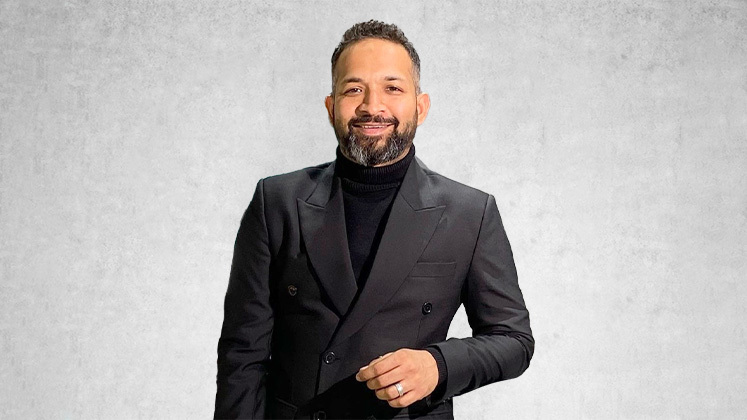
“Beyond capital, we value investors who bring industry expertise and strategic guidance that can be worth far more than a slightly higher valuation. For example, introductions to premium mall partners or large-format retail networks can shorten store-launch cycles by months. On supply chain, guidance and connections to reliable fabric mills, manufacturing clusters and best practice inventory planning can help us reduce lead times and improve in season replenishment,” said Prashant Lalwani, Co-founder, Banana Club.
Co-founded in 2011 by Neel Bafna and Prashant Lalwani, Banana Club is a premium men’s D2C fashion brand offering high-street westernwear. The Bengaluru-based brand raised Rs. 12.25 crore (US $ 1.36 million) on the reality show Pitch To Get Rich (via the Fashion Entrepreneurship Fund) at a valuation of Rs. 245 crore (US $ 27.28 million). The capital will first go into three clear areas: new store openings, team building and branding.
“At our stage, speed and precision matter — and investors who’ve scaled consumer brands before can help us avoid expensive learning curves,” added Prashant.
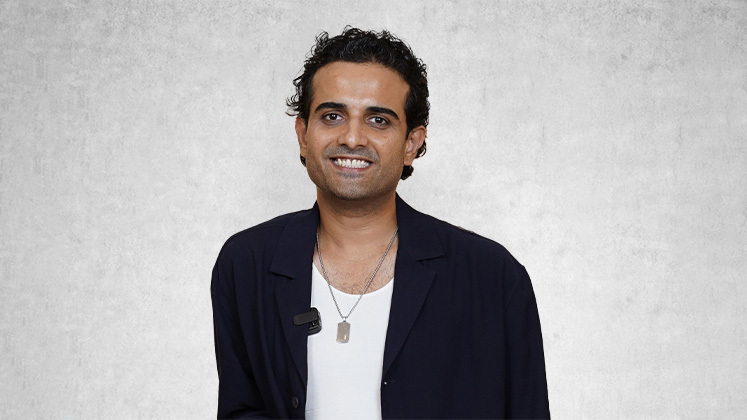
A similar need was shared by Abhishek Sharma, Founder, Dmodot, a handcrafted luxury footwear brand in Delhi that raised Rs 1.35 crore (US $ 150,275) for a 30% stake, valuing the company at Rs 4.5 crore (US $ 501,400) on Pitch To Get Rich.
“We need support in very specific areas. For real estate and franchise access, we look for introductions for site selection and lease discussions in Mumbai, Bengaluru and Hyderabad, along with vetted franchise operators; in supply chain and operations, we need help with leather and outsole sourcing; in distribution, access to marketplaces, buyers and boutique partners can improve placement and negotiation; and in finance, guidance on banking lines, payment gateway rates and a simple financial planning rhythm,” said Abhishek.

Similarly, Yash Sarawagi, Co-founder, Kisah Apparels noted that right guidance from investors is necessary for both growth and operational efficiency.
“We take help from our investors in three specific areas. First, to be the sounding board and constructive critique of our business strategy and key management decisions. For example, we actively consult our investors in selecting micro locations for our planned retail stores; secondly, we want them to help us with introductions to business partners and future investors; and thirdly, for periodic review of our business and financial performance to give an outside-in view and help us to stay on course,” said Yash.
Kisah Apparels, a Kolkata-based men’s celebration and ethnicwear brand, in June 2025, raised Rs. 13 crore (US $ 1.44 million) at a valuation of Rs. 100 crore (US $ 11.13 million). The round was led by Sagar Daryani of Wow! Momo, along with Apoorv Salarpuria (Salarpuria Investments), Rahul Todi (CEO, Shrachi Group), Vinod Dugar (CEO, RDB Group) and Inflection Point Ventures. The company plans to expand offline stores, grow D2C operations and invest in brand building. Investors’ support becomes even more critical in regions with limited retail maturity.

“Kashmir has a rich history and has immense potential to unlock its value globally through a House of Brands model in different categories which is a much different play than a standard D2C. This is where we feel investors who understand and have helped businesses in these domains globally could be of great value,” said Moheet Mehraj, Co-founder and CEO, Kashmir Box.
Kashmir Box, a heritage retail and e-commerce firm, raised new investment, including foreign direct investment from BeyondSeed Singapore. The company said the round included Mohit Satyanand, Adyogi, Jumpgrowth Ventures and existing investor Namrata Koul. It did not disclose the size of the investment.
The firm will use the funds to expand distribution beyond its D2C channels and current Indian marketplaces to global platforms such as Faire, Amazon Global and Walmart. Offline retail will also grow with two stores planned by 2026 – one in the NCR region and another in the UAE.
Help Steer, Don’t Take the Wheel
Founders repeatedly emphasise that they want guidance, not micromanagement. The best investors don’t run the company; they highlight blind spots, open doors and provide accountability without micromanaging. They give founders space to experiment, fail, iterate and grow, while keeping sight of the bigger picture.

“Investors shouldn’t be involved in the day-to-day functioning of the company. Daily decisions require context, intuition and an understanding of the brand’s pulse that only comes from being inside the business every single day. Where investors should play an active role is in strategic conversations such as long-term planning, capital allocation, expansion and product direction, governance and risk assessment,” said Shrey Vij, Founder, Philocaly.
Founded in 2016, the menswear brand received Rs. 1 crore (US $ 111,350) funding on Pitch To Get Rich and is currently valued at approximately Rs. 25 crore (US $ 2.78 million). It operates stores in New Delhi and Hyderabad, has five franchise outlets in India and sells through platforms including Aza, Aashni & Co, Ogaan and Tata Cliq Luxury.
Likewise, Abhishek highlighted, “A structured rhythm works best. A weekly dashboard that does not require a meeting. A monthly working review. A quarterly board check-in. Hands-on involvement is helpful only for senior hiring, real estate decisions and capital events.”
Creativity: Off-Limits for Investors
Operational decisions can be collaborative, but when it comes to creativity, founders alone call the shots.
“Creativity is non-negotiable for us, it’s who Banana Club is, but we validate creative bets using customer insights, sell-through trends and market signals. So investors don’t need to “approve creativity”; they see the logic, the testing and the numbers behind it,” said Prashant Lalwani.
Other investors too voiced identical sentiments.
“Investors are aligned early on that Philocaly is a creative-first brand. They understand that the product, design language and brand philosophy will always be founder-led. Strategy and scale can be collaborative, but the creative compass stays steady,” explained Shrey Vij.
Likewise, Abhishek highlighted that “We are open to testing channels, formats and pricing within agreed budgets and with clear post-mortems. Capital should strengthen the craft and comfort we stand for rather than change it.” Experts reiterated that the true ROI of an investor isn’t capital, it’s insight, access and direction.