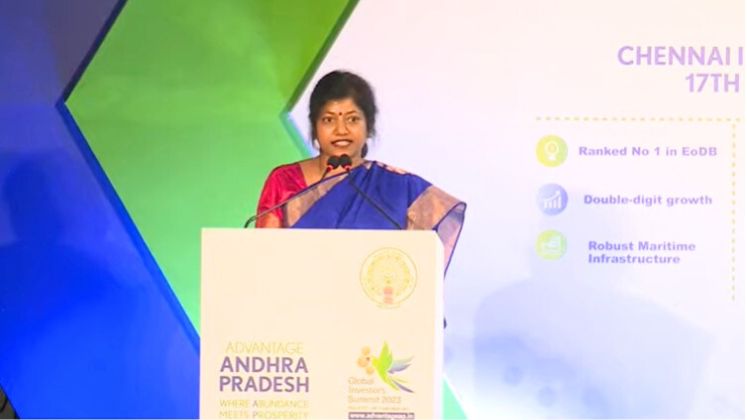
In order to make the handloom and textile industry the second largest employer after agriculture, Principal Secretary (Handlooms and Textiles) K. Sunitha has ordered the Collectors to establish garmenting units and promote textile investments in border districts, among other things.
She told the Collectors that the authorities have to concentrate on boosting the number of students admitted to the textile engineering schools in Madakasira and Guntur. She said that new organisations should be founded and that people with abilities in handlooming and handicrafts should be discovered through a skill census. She also mentioned that elections for weaver cooperative societies would take place from 21st September to 6th December.
She gave the Collectors instructions to hold exhibitions and to urge staff members to dress in handloom clothing on Mondays. They could apply for funding from NABARD for projects like melas, exhibitions, “Rural Haat,” GI registration, the Micro Enterprise Development Program (MEDP), the Livelihood Enterprise Development Program (LEDP), and the Cluster Development Program’s search for new handloom clusters.
Subsequently, she stated that the elimination of plastic from cotton storage should avoid contamination of cotton after harvest. She recommended that Kurnool, Guntur, and Palnadu be included in the Better Cotton Initiative (BCI) initiative.
Rather than being killed by pesticides and contaminating water, hyacinth might be used to weave baskets. In addition to holding buyer-seller events, she advised anyone interested in One District One Product awards to set up kiosks where people could sell handlooms and other handicrafts in locations with high foot traffic.