Technical textiles is a focus area for the Indian Government which reflects in PLI and National Mission on Technical Textiles. And Protech (protective clothing) is one of the most significant segments as far as opportunities for Indian textile and apparel companies are concerned. At the global level, growing at a CAGR of 6.3 per cent, the protective clothing market size is projected to reach US $ 13.72 billion by 2030. The same had a revenue share of US $ 8.4 billion in 2021. As per the Ministry of Textiles’ data, the current value of production of Protech products in India was Rs. 2,850 crore in 2019-20 while the consumption was Rs. 3,148 crore. And India had to import its requirement of Protech items even though it reduces its trade gap significantly. It will continue to remain a net importer of Protech items till 2024-25.
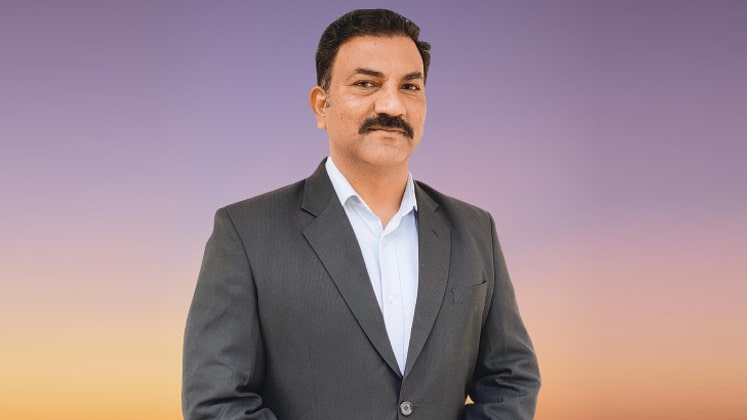
“In the protectivewear segment developing performance fibres indigenously, which are currently being imported, would help us in creating an efficient and sustainable supply chain and cost structure. Strengthening R&D infrastructure and having strict compliance standards of protectivewear in place will help increase the domestic consumption and hence production in India,” Parveen Kora, Chief Manager-Marketing, Human Protection Business, Arvind Advanced Materials
Though currently, Indian companies are mainly targeting Indian defence and paramilitary forces, but due to increased environmental complexity and danger, the higher global population, increased levels of education, rapid industrialisation and high productivity, there is an increased need for human safety at the workplace and off the workplace. Offering ready-to-use final products, there are a few well-known established players in this segment like Arvind Human Protection (Advanced Materials Division), Texport Syndicate India etc. An interesting aspect is that the segment is also attracting new companies that have nothing to do with this segment. Noida-based Zonac Knitting Machines (Sogo Fashion) and Ludhiana’s Shingora Textiles Ltd., are two companies in this segment.
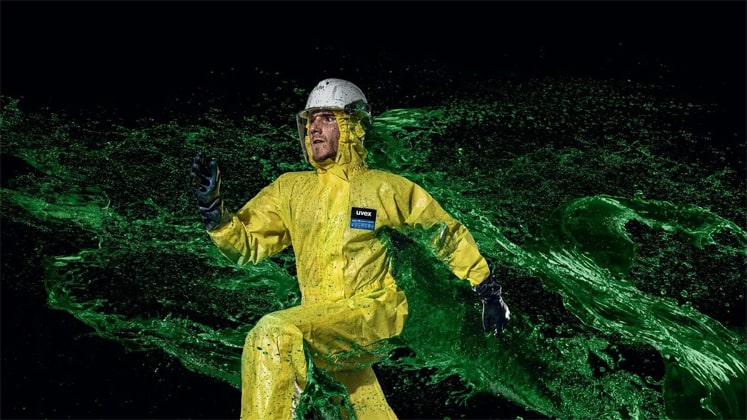
Protech means protective garments meant to protect the wearer from various types of risk and harsh external environmental effects at the workplace such as soldiers, firefighters, paramedics, emergency medical technicians, personnel responding to toxic spills, workers in toxic environments, laboratory researchers and specialists cleaning up contaminated facilities etc.
Known for its quality socks for the last three-and-a-half decades, Zonac Knitting Machines entered into the Protech segment just a year before Covid and after initial challenges, it is enjoying good growth. Apart from offering a variety of tactical garments, the company is also into waterproof socks, knee and elbow pads, two men pub tent, a large variety of gloves, sleeping bags, rucksacks, survival blankets etc.
The company is already successfully supplying its products to the Ministry of Defence, the UN Mission, Saudi Defence forces to mention a few. It is using technology like warm tact to keep garments warm and suitable for sub-zero to -50 degree temperatures, dri tact to keep the garment moisture-free and hygienic .
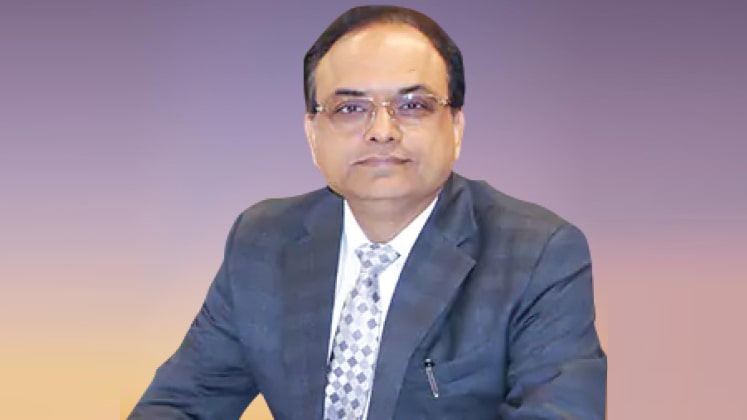
Raj Kumar Jain, CMD of the company shared the motivation to enter into this segment, “Indian Government is looking to replace all importing items in technical textiles with indigenous products, so we wanted to bank on that. Earlier it was more of L1 regime (looking for low prices) but in recent times their thrust on quality is also increasing and being in quality-oriented products from day one, it is our strength. We still prefer to cater to the product where quality is the top priority.”
He further added that in recent years, the scenario in defence and the allied segment is transparent and technically advanced in terms of ethics and supply chain management. Therefore, being an ethical company, they wished to explore this opportunity.
Upbeat with the response so far, the company is in the developing stage and adding new products in its product basket.
Zonac Knitting Machines and Sogo Fashions are both companies that are vertically integrated, from yarn to made-ups, therefore product side was comparatively easy as it had product know-how and good infrastructure also, but on the selling side, there have been challenges to get into the forces. Being new in this segment, it took time but with consistent efforts, the company has succeeded.
“The manufacturers should aim to become solution providers rather than only low-cost suppliers. There is a need to develop in-house testing facilities and a selection of raw materials (availability). To stop sub-standard or rejected lots imported into India, more thrust is required on testing and training,” Dr. Nandan Kumar, MD, High Performance Textiles, Panipat
Famous for its highly valued added shawls, stoles and scarves, Shingora Textiles Ltd., Ludhiana also had a similar experience of starting and growing in technical textiles. The company had a project with IIT Delhi, and the efforts it put in during Covid for PPE, motivated it to further explore technical textiles. Now the company has a wide range of fabrics for technical textiles. These fabrics are made for extreme cold weather (-30⁰C) and sleeping bags approved by the Indian army. There are developments continuing on other fabrics too like FR, and fabrics which can change according to the body temperature. For these developments, the company has also got a grant from National Technical Textile mission.

Though the company is at a nascent stage in this segment, but Amit Jain, MD of the company is bullish about the growth as he says, “We are focusing on fabric only as there are enough capabilities in India regarding technical textile garments but the missing element is the raw material (fibre, yarn and fabric) for the same. At the core, we are weavers and this core competency we are using in technical textile fabrics. Our versatile plant has also helped us in this regard.”
Protech includes:
•Bullet Proof Jackets
•Fire Retardant Apparel
•Fire Retardant Fabrics for Furnishings
•High Altitude Clothing •High Visibility Clothing
•Industrial Gloves •Nuclear and Biological Protective Clothing
•Chemical Protective Clothing
•Others (including Outer Protective Clothing)
He further added that as there are endless opportunities in this segment and he wishes there could be more companies getting into this segment. There is a need to develop a complete supply chain, cluster and industry in this segment, not just a few companies. Indeed the PPE story needs to replicate in this segment.

“The industry needs to work on technology and capability. Building capabilities also take the attitude, global outlook and patience. For Indian companies, thinking globally is critical,” Ankur Kothari, CEO, Kusumgar Corporates, Mumbai
To go beyond to the defence and allied forces, protective clothing has a huge opportunity to cater to the industrial workforce. Like the Western world, Indian workers working in hazardous environment must also use protective clothing.