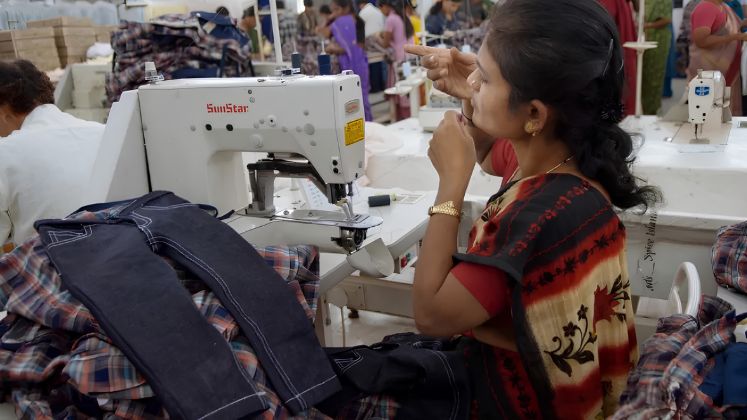
India’s garment manufacturing sector is experiencing productivity losses of up to 10% due to extreme heat, affecting factories that supply major international retailers including Uniqlo, Marks & Spencer and Tesco, according to a new report by the NYU Stern Center for Business and Human Rights.
The study examined 10 garment manufacturing facilities across four regions of India and found that rising temperatures are negatively impacting productivity, product quality and delivery reliability, while also contributing to increased worker absenteeism during the peak summer season.
According to the report, many suppliers are struggling to cope with the operational challenges posed by extreme heat and have largely relied on temporary measures to maintain production. Many suppliers were managing to remain operational through short-term adjustments but faced growing risks if heat-related disruptions began affecting delivery schedules. Suppliers could reach a critical point if missed deadlines prevented them from shielding international buyers from the impact of production disruptions.
The report highlights the particular vulnerability of India’s US $39 billion apparel export industry, which employs an estimated 45 million people. Women account for approximately 70% of the workforce, many of whom work in environments characterised by high temperatures and humidity.
Factory managers interviewed for the study reported a range of heat-related operational challenges, including sweat stains on garments, dust contamination, stitching defects and temporary production stoppages. These issues have affected both product quality and manufacturing efficiency, creating additional pressures on suppliers operating in a highly competitive global market.
The report also underscores the broader economic risks posed by climate-related disruptions. According to estimates from the World Bank, lost working hours resulting from extreme heat across all sectors could place up to 4.5% of India’s gross domestic product at risk by 2030, representing an economic impact of approximately US $150 billion to US $250 billion.
The findings add to growing concerns about the effects of climate change on labour-intensive manufacturing industries, particularly apparel production, where maintaining productivity, quality standards and delivery timelines is critical to retaining global sourcing business.






 Bharat Tex Special Report 2026