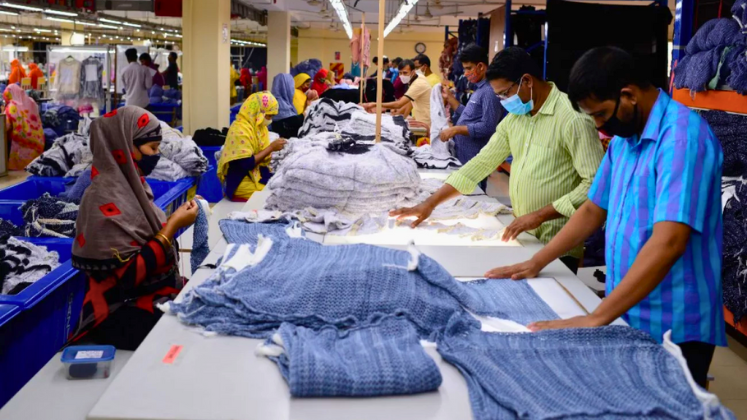
The Bangladesh Ready-Made Garments (RMG) industry has experienced a turbulent period over the past 15 months, with a net loss of jobs amid ongoing factory closures and new investments. According to figures from the Bangladesh Garment Manufacturers and Exporters Association (BGMEA), 113 garment factories ceased operations between January 2024 and March 2025, resulting in over 96,000 workers losing their jobs.
During the same period, 128 new factories were established, providing employment to approximately 74,000 workers. Despite the higher number of new factories, the industry has still seen a net decline of over 22,000 jobs.
The closures have been particularly pronounced from August 2024 to March 2025, with 69 factories shutting down and affecting more than 76,500 workers. Industry insiders point to multiple factors behind these closures, including shrinking global orders, intense price pressures from international buyers, rising production costs, delayed payments, and political upheavals.
Political changes in August 2024 have further impacted the industry, with some notable factory closures linked to owners’ ties with the ousted Government, which allegedly facilitated abnormal loans from banks. Most of the closed units were small and medium-sized factories struggling to stay competitive amid increasing safety and sustainability standards. Many such units have long grappled with compliance costs, pushing them out of the market.
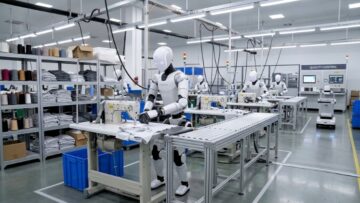
In contrast, the new factories reflect a trend toward modernisation and consolidation, with many being upgraded by existing players investing in advanced machinery, green building certifications, and digital production systems. These state-of-the-art facilities are expected to generate employment opportunities, although fewer than those lost due to automation and efficiency improvements.
Industry leaders describe this period as part of a broader shift from volume-based manufacturing to value-added production, emphasizing quality, sustainability, and technological advancement. BGMEA officials have stressed the importance of supporting displaced workers through initiatives like job-matching platforms and upskilling programs, in collaboration with development partners.
Former BGMEA President Faruque Hassan noted that factory closures and openings are typical in the industry’s evolution. “Factories without compliance upgrades or sustainable production practices are struggling to survive,” he said. He emphasized that new investments are focused on energy-efficient, automated plants that meet international buyers’ due diligence standards. Hassan called for an inclusive transition, highlighting the need for retraining and reemployment pathways for displaced workers.
The industry faces ongoing challenges beyond factory closures, including potential tariffs from the US, Bangladesh’s graduation from Least Developed Country (LDC) status, rising utility costs, and leadership concerns. Hassan urged the government to proactively address these issues, especially ahead of the upcoming BGMEA elections, hoping new leadership will negotiate supportive policies.
Labour leader Nazma Akter of the Bangladesh Sommilito Garments Sramik Federation (SGSF) reported that over 100,000 workers have lost jobs due to factory closures, with around 75,000 managing to find new employment. She called on the government to expedite efforts to create additional job opportunities for the remaining workers.