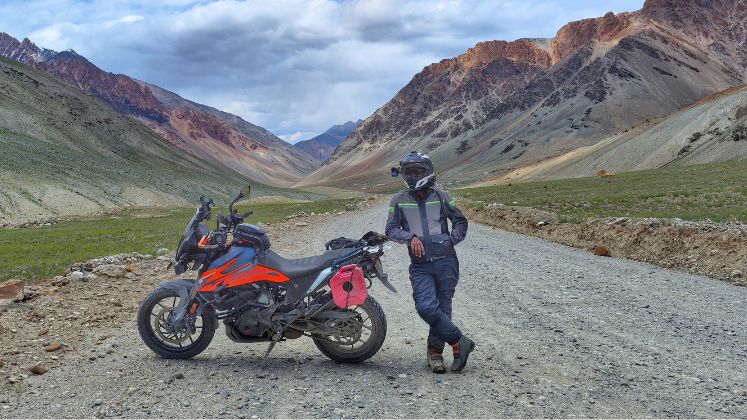
The underdog niche segment of ‘Motorcycle Apparel’ constitutes a small yet significant part of the vast Indian apparel industry. Basically, motorcycle apparel includes protective clothing, lifestyle segments and accessories designed for motorcycle riders and these can also be worn by a non-rider who wants to feel associated with the motorcycle culture.
Premium motorcycle manufacturers such as Triumph, Royal Enfield, Harley-Davidson, Ducati, Benelli, Kawasaki, KTM, Aprilia, Suzuki have recognised India’s growing need for protective gears and are providing the disposable income group of the country first-hand supreme motorbikes, with better protective clothing and stylish yet secure outwears. The rise of over 1000+ motorcycle clubs – big or small – has contributed significantly to the overall growth of this segment.
Growth drivers leveraging the motorcycle apparel industry
The Indian ride gear market is around US $ 50 million and is growing at a CAGR of 12 per cent. This remarkable growth can be attributed to several factors. Firstly, more and more Indians are opting for high-capacity motorcycles, and as a result, safety gear like helmets, jackets, gloves, boots and protective outerwear have become essential. Secondly, improvements in road infrastructure and increased awareness about road safety have led to a greater demand for motorcycle riding gear. Manufacturers are also playing a crucial role in the growth by leveraging technology and exploring the usage of technical textiles. Biswaroop Banerjee, Lead Apparel and Accessories (Harley Davidson BU), Hero MotoCorp asserts, “Factors such as manufacturers’ efforts, advancements in technical textiles, labour training, faster technological adaptation and specialised machinery have enabled brands to early adopt and bring the products to the market faster. It’s like a multi-channel approach that has excited OEMs to explore this market opportunity.”
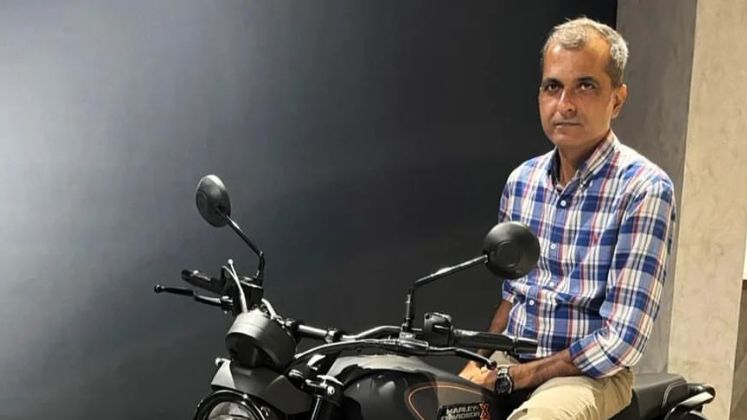
| Beyond essentials like headwear, protective outerwear and footwear, the fashion lifestyle category is promising. According to open-source business reports, in 2022, Harley Davidson generated US $ 270 million in apparel sales through direct brand sales across its global dealer network. This figure alone surpasses the size of many well-known fashion brands.Biswaroop Banerjee, Lead Apparel and Accessory (Harley Davidson) |
Moreover, there has been a shift in consumer attitude in recent years. In the past, riders focused on buying motorcycles over safety gear, but now riders are more safety-conscious and often purchase riding gear before getting a new motorcycle. Additionally, the market is moving away from being solely price-focused to being more quality and suitability-focused, with riders willing to invest more in products that offer value. Wasim Shaikh, Owner of Bengaluru-based Custom Elements, an online riding gear retailer that caters to a huge range of products like riding suits, jackets, motocross gear, riding pants, protection guards and even innerwear states that the changing motorcycle culture in India is playing a significant role in ascertaining this trend. “More people are now choosing motorcycles for recreational purposes rather than just for transportation, thanks to greater affordability and disposable income of the target demographic.”

| In India, the future of motorcycle apparel looks promising. Initially embraced by avid motorbike enthusiasts, riding gear’s safety benefits are making it a potential essential for all two-wheeler riders. Currently, a substantial portion of riding gear is imported due to cost and craftsmanship factors. Yet, India’s market offers ample scope for local development and production.Wasim Shaikh, Co-founder and COO, Custom Elements |
“From let me put all my money and get a motorcycle first and the gears later to buy gears first and then head home with motorcycle, we have come a long way. Additionally, the market is moving from being price-conscious to more quality and requirement-oriented. Riders are willing to pay that extra price for something that adds value,” states Anuj Kukreja, Founder of Bikeratti, a New Delhi-based automotive apparel manufacturer, specialising in riding denim, gloves and cooling vests.
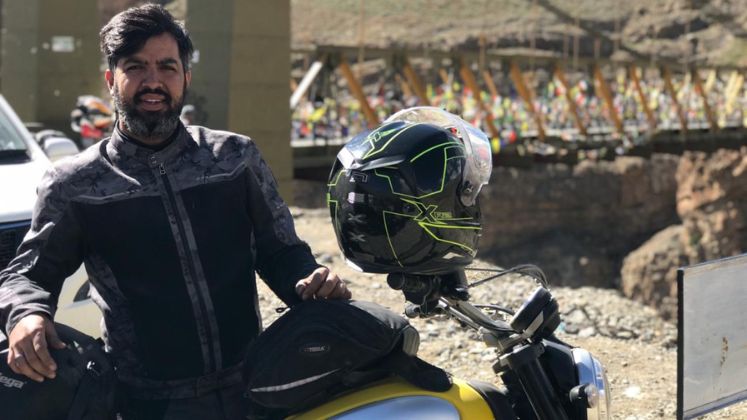
| Motorcycling in India is shifting from niche to lifestyle, making it a platform for brands to gain attention. A tipping point is approaching, shifting the perception from “motorcycling is dangerous” to “motorcycling is glamorous and adventurous”. The presence of events like Moto GP in India confirms this shift. Anuj Kukreja, Founder, Bikeratti |
Embracing local manufacturers and expanding product offerings
Local manufacturers have gained a competitive advantage due to the huge price gap between international and domestic brands. For example, a domestic brand’s motorcycle jacket starts from Rs. 3500, while for an international one, the starting price is Rs.12,000. Therefore leading home-grown brands like Rynox Gear, Spartan ProGear Co., Solace Gears, Zeus Motorcycle Gear, Dream Sporting Gear, Cramster-Gear Co., Royal Enfield, Bikeratti, Biking Brotherhood, Tarmac have expanded their product range to strengthen their position in the market. This shift in consumer preferences and the rise of domestic brands have transformed the motorcycle apparel industry in India, ushering in an exciting phase of growth and innovation.
Custom Elements is one such brand that has warmly embraced local manufacturers and broadened its product range. Its best-selling item – riding jackets – consistently fly off the shelves with monthly sales of around 40-45 pieces. Notably, a significant chunk of its sales, roughly 75 per cent – 80 per cent, comes from esteemed Indian brands such as Rynox, Royal Enfield and Tarmac. Since its inception, Custom Elements has experienced remarkable growth, boasting a 60 per cent expansion in its retail business.
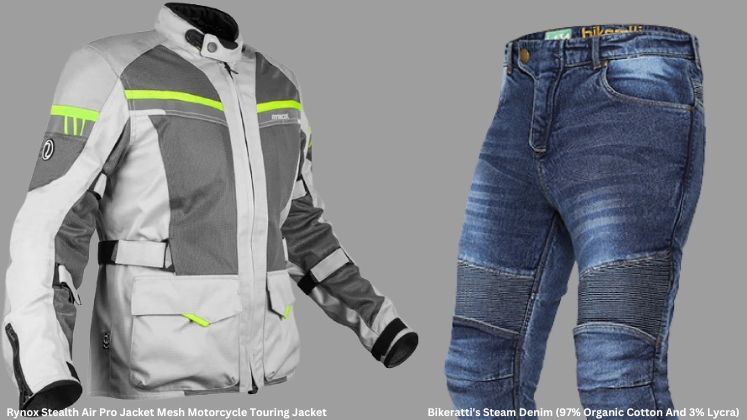
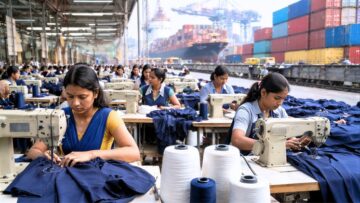
This move towards local manufacturing mirrors a broader trend in major manufacturing hubs across cities like Delhi-NCR, Noida, Kanpur, Bengaluru, Tirupur and Ludhiana, where motorcycle apparel production is in full swing.
Bikeratti, famous for its very popular protective jeans specially crafted for riding, takes a hands-on approach by designing, sourcing and testing its products in-house. It imports some raw materials, but the final production always takes place in India, aligning with both patriotic sentiments and government policies that encourage ‘Make in India’.

Similarly, Gear and Throttle House commonly known as GT House, which is popular for its riding jackets, pants and rainwear with an overall growth rate of 25 per cent – 30 per cent since 2019, acknowledges the quality and consistency of international brands but at the same time also recognises the rising potential of local manufacturers. Kaustubh Thengodkar, Co-founder of the brand states, “We do associate with local manufacturers and are in fact seeing an uptrend in the quality of products being locally produced. Having said that, we have still a long way to go for Indian brands to bring the kind of stability in terms of quality and delivery as we get from international brands.”

| The initial opportunity lies in capitalising on the establishment of consistent production practices like adhering to standards such as ISI and BIS certifications. Improving material quality and diversifying the product range will enhance accessibility for various motorcycle riders and therefore hit the sales. However, the main challenge is manufacturers compromising on factors like fit, finish and support, though a positive shift is beginning to emerge. Kaustubh Thengodkar, Co-founder, Gear and Throttle House |
‘Lifestyle Segment’: another cherry on the cake
In a changing landscape where motorcycle companies are diversifying to match customer lifestyles, biking gear and apparel now even enhance the motorcycling experience. Bollywood celebs and cricketers are actively promoting motorcycling and boosting its appeal, while brands capitalise on this glamour to attract more enthusiasts. India’s perception of motorcycling is seeing a shift from dangerous to adventurous and stylish attracting large number of consumers.
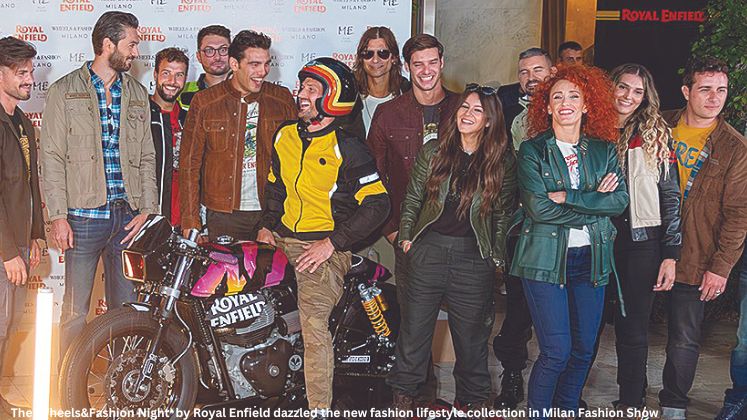
For instance, at Milan Fashion Week 2023, Royal Enfield stole the spotlight with its ‘Wheels Fashion Night’. It showcased its latest summer lifestyle apparel and cutting-edge riding gear, with the star attraction being Streetwind Eco-India sustainable riding jacket made from recycled plastic bottles. Moreover, Royal Enfield’s online platform, especially ‘Make It Yours (MIY)’ feature, drives web traffic and revenue. Similarly, Suzuki Motorcycles has launched its apparel range inspired by the iconic Suzuki Hayabusa. This range includes T-shirts and other fashion accessories uniting Suzuki enthusiasts.
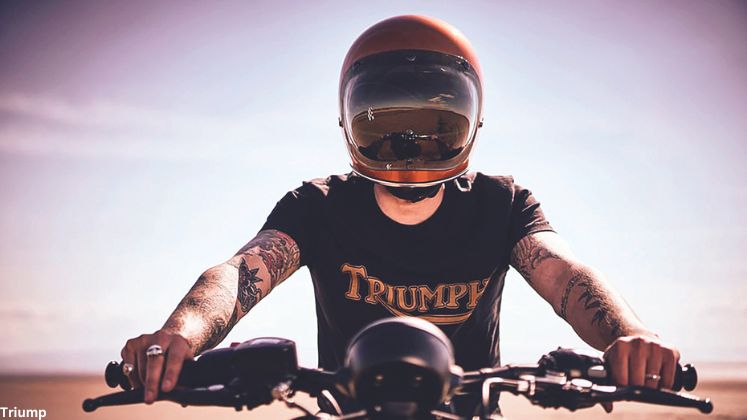
Harley-Davidson too is not behind in launching its own lifestyle apparel brands like Bar & Shield, Harley-Davidson Originals, Harley-Davidson Authorised Vintage and Harley-Davidson Collaborations, extending its presence beyond motorcycles into fashion and soon it has plans to launch in India. Triumph Motorcycles, a British heritage brand, has ventured into lifestyle apparel with menswear collection inspired by its motorcycle designs. This collection offers jackets, denim, shirts, T-shirts, sweats, hoodies and caps, targeting a wider audience through independent distribution channels. Triumph’s expansion into this domain aims to reach a broader audience beyond its traditional biker clientele through independent distribution channels.
| Leading home-grown motorcycle and accessory brands in India are Rynox Gear, Spartan ProGear Co., Solace Gears, Zeus Motorcycle Gear, Dream Sporting Gear, Cramster-Gear Co., Royal Enfield, Bikeratti, Biking Brotherhood, Tarmac |

The future looks bright amidst challenges
Where the home-grown brands are achieving 2x-4x growth, the Indian motorcycle apparel industry needs to now maintain its focus on consistent production quality by following established manufacturing standards like ISI and BIS certifications. Additionally, improving material quality and expanding the product range at different price levels will make motorcycle apparel more accessible to various types of riders.
While there is no doubt about India’s manufacturing capabilities but surely there is a need for improvement in the realm of technical fabrics and product development which is a complex process.