Across India many textile hubs that are known for a particular or specific product category have diversified into allied products or are in the process to do so. For some, such diversifications are a side business while for others it is a new business opportunity to grow. Globally known as the ‘Brass City of India’ – Moradabad (Uttar Pradesh, 177 KM from Delhi) – is an example of a progressive hub looking for new avenues of growth. The city, having hundreds of manufacturers of handicraft/metal-based hard goods units, has seen a sprout of home furnishing/soft goods units in the past few years. Though the city doesn’t have any specific support facilities that can help in the growth of home business, but still the soft goods business is growing and will grow further as local entrepreneurs strongly believe that they have hit the right product category for growth. Apparel Online explores the new dimension of Moradabad…
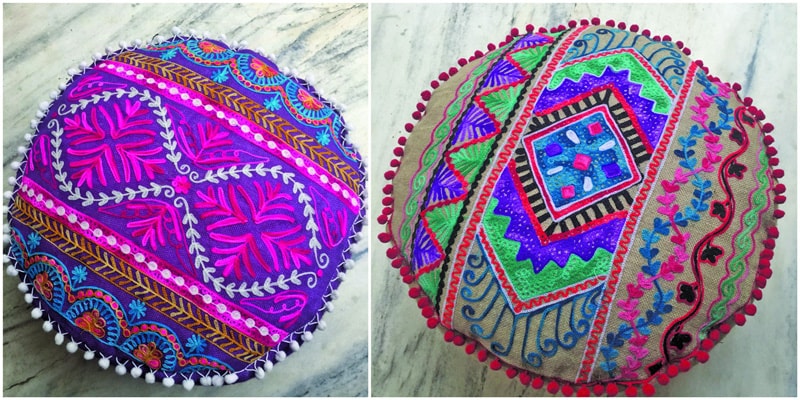
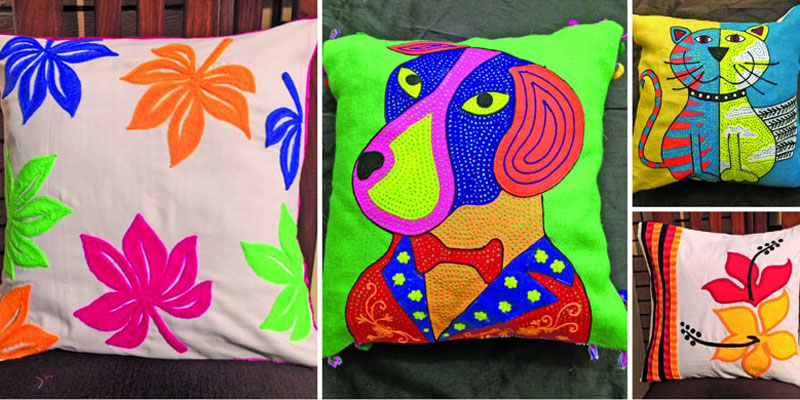
There are almost 30 firms that are doing soft and hard goods together, and for some of them soft goods have given good growth like Orange Concept Inc. which is into the metal business for the last three decades. Its home business was started just four years ago, and today accounts for 25 per cent of total business. Exporting table linen and pillow covers to Latin America, Australia and New Zealand, the company has noticed 15-20 per cent growth every year in this new venture. Avinav Vij, Director of the company says, “We planned to enter into soft goods just to diversify, but it was not easy. It took 20 months to set-up the machinery and get workers for home textile business. But now we are happy as we have achieved the expected growth.”
Avinav, who maintains an MOQ worth US $ 5,000 per order irrespective of styles and number of pieces, further added that as a hub of exporters of metal products and comparatively a small city, Moradabad has an edge as it has documentation experts for exports and proper logistic support, although electricity problem and raw material sourcing is a problem as the hub is completely dependent on established hubs, which is one of the major concerns. The good thing is that buyers are happy (and also a little surprised) that Moradabad too is offering home products. “Overseas buyers as well as some buying houses regularly visit the city, as they continuously source from here; seeing our enthusiasm they have been sharing their ideas and trends with us,” he says.
Echoing the same sentiments, Anand Gupta, Director/CEO of True Home Décor, Noida, who belongs to Moradabad and his family still has a metal business in the city, says, “I wish I could go back to Moradabad as the city is cost-competitive, but there are issues like non availability of fabric, trims and no support industries like dyeing houses. If firms in the city get such support, the city will definitely grow in this segment.” He further added that a large section of the younger generation, which is not willing to continue with their metal business due to its various complications, prefer to do soft goods – be it home furnishing or even garment business. According to him buying houses do visit the city, but not as frequently as they visit units in Delhi-NCR. “Some of the buyers that are sourcing gift items from Moradabad prefer to source home goods from there also. In fact, loyalty of buyers is a major reason of increasing home furnishing business in the city,” says Anand. Fluctuation in metal’s price, reducing order size and no proper job-work support are some of the issues that have hit the hard goods business.
Why should a buyer source from Moradabad when already there are so many home furnishing hubs in India and each one of them has developed many strengths including product development…, is a question many are asking. Giving a befitting reply, Sanjeev Kumar Singh of Shiv International, who started manufacturing of cushion and pillow covers five years ago, says, “We are at least 15 per cent cheaper than any other hub of India, especially metro cities and this is the big difference.” Sanjeev also opined that dyeing is not a big issue as nearby cities like Amroha (30 KM) and Meerut (115 KM) have enough units to support the industry and hence it is managed easily. “As some local entrepreneurs have settled out of Moradabad with the help of soft good business, it is also a reason or motivation for locals, especially youngsters, to enter into exports of soft goods,” he added.
Hand embroidery is the strength of the city as expert karigars of this skill are available here and in nearby areas like Rampur. Local firms are using this value addition technique prominently in their products. Along with Orange Concept Inc., Unisafe Exports also uses a lot of hand embroidery in its cushion covers and curtains. “We started with cushion covers almost three years ago as trend of soft goods was increasing at that time but the results are just satisfactory,” says Mohammad Saleem of the company.
Some companies which are doing soft goods as side business are getting most of the products outsourced. They are satisfied with their limited involvement in this segment. “We are doing little of rugs and cushion covers just as a support to our main business and that too whenever we have less orders of hard goods or our buyers ask for some orders in soft goods,” informed Anwar Qayyum of Metal Maker Mart. The company sources most of their soft goods from Badhoi.
Despite all differences of opinion, whichever firms are doing home textile exports agree that this segment will grow and sooner or later more companies will foray into the soft goods segment.
Few firms entered the segment as they got opportunities to do so or lesser orders in hard goods forced them to explore this segment, but not all could succeed. Iqbal Haseeb of IH Exports who could not find success in the segment, shared that as this line of business is different and supplier base takes time to settle. “Due to family ties or other reasons some of the local firms have good relation with Delhi-NCR-based home furnishing firms so for them it is comparatively easy to step into this segment and find success,” he reasons.
Though some local exporters accept that soft goods business is increasing from the hub and they too can explore the opportunities, but they are busy in their existing business and want to remain in the same. Surender Gandhi of Dewan & Sons says, “Soft goods business is also growing but at a slow pace. Few years ago we also did a little bit of business in this segment, but now we are focusing on hard goods only as we have enough orders in this segment.” “The handicraft industry is not getting enough support from Government so I don’t think that there is scope for comparatively new industry or segment to develop here. I agree that local exporters have strength, experience and network in overseas market but rather than focusing on new industry, it will be easy to work more on existing ones,” adds Avinash Khanna, AG Exports Inc.