
Facebook declared its rebranding as Meta in October 2021, indicating a renewed emphasis on the metaverse. The action received a lot of attention as a key step towards the metaverse’s acceptance by the general public.
Google Trends indicates that despite the surge in interest, public interest has decreased. Interest has decreased by over 85 per cent since its high between October 2021—the month of Facebook’s rebrand—and January 2022.
The inaugural show of Metaverse Fashion Week took place in March 2022. At the time, as interest in the metaverse was starting to fade, the event attracted the attention of the cryptocurrency, fashion, and gaming industries. Leading fashion companies like Dolce & Gabbana, Tommy Hilfiger, Estée Lauder, Elie Saab, and Etro were represented at the event. They’ve opted for a hybrid event this year that combines the real and virtual worlds.
“As we sat down last summer to plan for how to evolve Metaverse Fashion Week for this year’s edition, we listened to feedback from the community but also from the wider global market about what they want to get out of the metaverse as it develops,” says Giovanna Graziosi Casimiro, Head of Metaverse Fashion Week.
For the time when we will be changing in and out of our digital wardrobes, there has been a huge investment in metaverse fashion. Adidas and the avatar-building service Genies teamed in June 2021 to produce digital clothes. That year, in December, Nike revealed its acquisition of the digital trainer company RTFKT (also known as “artefact”).
On digital apparel and events, Roblox has collaborated with Levi’s and Gucci. You can wear specifically created Balenciaga-branded clothing in the virtual video game “Afterworld: The Age of Future,” which has been released by the fashion house.
Metaverse fashion proponents also describe how it can be used as a tool for sustainability. “We ask, ‘At the end of the world, do you need more clothes? We believe digital fashion can not only solve fashion’s pain points on sustainability and greenwashing but also truly democratize the industry,” said Lydia Birgani-Nia, Head of Partnerships & Acquisition at the Institute of Digital Fashion.
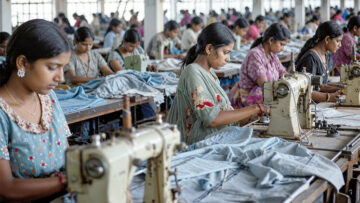
Around 80 billion clothing articles are used annually worldwide, an increase of 400 per cent from 20 years ago. One statistic claims that the fashion sector is in charge of 10 per cent of annual worldwide carbon emissions.
Co-founder of DRESSX Daria Shapovalova enthusiastically concurs. Her company creates virtual apparel for virtual worlds using 3D modelling and design technologies. They consist of social networking platforms, augmented reality, and virtual worlds.
“By replacing physical garments with digital ones, we can significantly reduce carbon emissions, save water, and eliminate waste. Digital fashion also offers a lot of creative freedom that is not possible with traditional fashion. With digital garments, you can customize and modify them endlessly to create a truly unique wardrobe. It’s perfect for anyone who wants to express their individuality and style in a way that’s not limited by physical clothing,” she said.




 Bharat Tex Special Report 2026