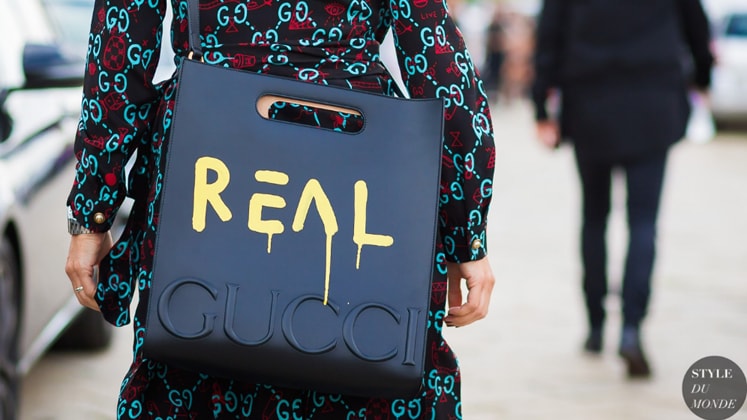
The fashion industry is one of the most competitive industry, based on the imagination and creativity of the designers. If the designs are stolen, the retailers and brand can lose sales for an entire season because the customers would be buying counterfeited products either because they are cheap or just because they got confused. This sometimes leads to a huge loss of millions of dollars to the brands. Enter blockchain technology, which is helping brands combat counterfeits by providing brand authenticity and product information.
Blockchain is a growing list of records called blocks that are linked using cryptography (a method of protecting information and communications through the use of codes, so that only those for whom the information is intended can read and process it). Each block contains a cryptographic hash of the previous block, a timestamp, and transaction data. The technology is based on Distributed Ledger Technology (DLT) that makes the history of any digital asset unalterable and transparent to only the one who is allowed. The initial idea of developing blockchain was to allow digital information to be recorded and distributed but not tempered.
Also read – Community Building vs. Traditional Loyalty Programmes: What works best for fashion brands?
The same concept is being used by the fashion retailers for several applications including sustainability, supply chain transparency, and combating counterfeit. Once the information is stored in the chips and tags in garments and products, these can not be altered or changed and can be retrieved through special apps and scanners.
How the technology works
The technology works with QR code or near-field communication chip (NFC) to its products or product tags or care label. These QR codes or NFC chips can be easily scanned by customers through their mobile phones. On scanning, the app will determine whether the item is registered on the brand’s blockchain. If yes, then that defines the authenticity of the product. Today there are other benefits too associated with the solution like product ownership which helps the customers claim the ownership of the product in case of theft.
Use cases by fashion brands
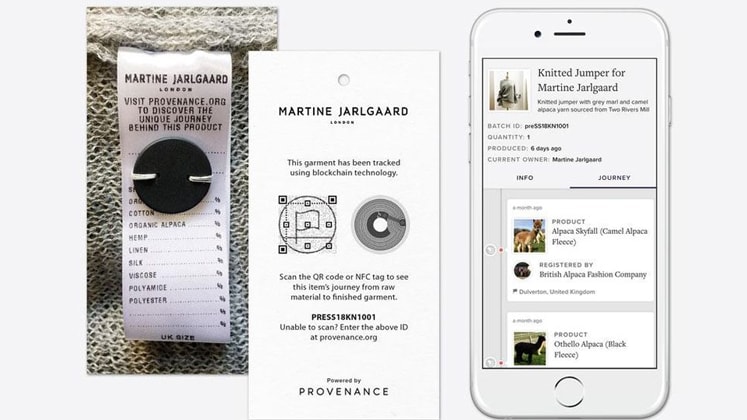
LVMH, Louis Vuitton SE, the French luxury goods company, has collaborated with Microsoft and Consensys to create Aura, a solution that uses blockchain technology to provide both consumers and LVMH product information in the group’s product. The technology requires customers to scan the product label and check for the authenticity of the product. On scanning, the entire product information is retrieved on their mobile phones. This ensures the customers of the product originality and gives them the satisfaction of the quality and investment they are making.
Also read – NFT-based inventory visibility next frontier of fashion supply chain
Another such implementation is by Babyghost, a fashion brand that collaborated with BitSE, a blockchain company and VeChain, a product management solution that is integrated with blockchain technology. The brand integrated its product from Spring/Summer 2017 collection with VeChain Chips that contained unique identity codes stored on blockchain. The customers could scan these chips to retrieve the entire story behind the garment with proof of product authenticity.
Technology supplier that could help
One such technology supplier to look out for is Seal, a blockchain-powered product authenticity and service platform. The company provides a blockchain solution to help brands and retailers lock their authenticity. The technology works as each of the products are embedded with a sealed chip which is linked to information on the seal network, a completely secure network that leverages the use of a decentralised blockchain database. Consumers buying the products can easily scan the chip with a Seal app to verify authenticity and product information. The dynamic NFC chip provides unique code with every interaction, which makes it impossible to duplicate. Moreover, through the app consumers can also claim the ownership of the products and when consumers buy a product with Seal tokens (currency of the seal network) they directly claim ownership of products as well. This helps in theft prevention and insurance processing.
Furthermore, it also rewards the brands on second-hand purchases. Once the product changes owner, a small fee is paid to the brand. This allows brands to earn money from second-hand trades, thus contributing towards sustainability.
Also read – Blockchain and its relevance in the apparel industry
Advantages of using blockchain technology
Apart from the use of this technology to protect the brand authenticity and ensure the customers of the originality of the product, the blockchain has a number of other applications too. Sustainability of the product through the complete traceability of the product from raw material to the retail shelf. The customers can be ensured of all the sustainable practices involved in the process and of the raw material used. Moreover, the retailers can be benefited from supply chain transparency, which can be used to seeing where a particular product is in the supply chain, and thus, ensuring that there are no delays in the supply chain. This can also be used to tackle any loopholes or blocks in the supply chain and immediate action can be taken, eliminating any delays in the process due to some issues.