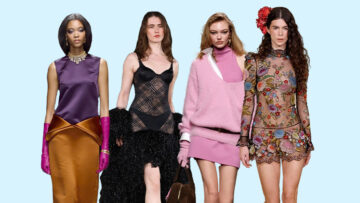
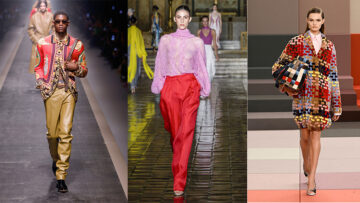
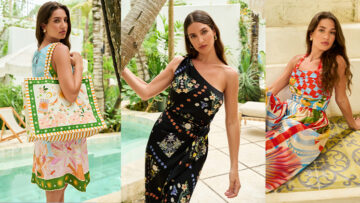
Milan is one of the four major fashion weeks that are awaited globally, being the most popular fashion capital of the world. In fact, Italy documented a hefty revenue of about US $ 5,025 Million in the fashion segment in just the first seven months of 2018 as per statisca.com. Known for a fashion industry that thrives on high-quality artisanship, sharp-tailoring, and luxury designs, Italy is the home to several heritage fashion labels and houses such as Versace, Valentino, Prada, Giorgio Armani, and Dolce & Gabbana etc.
The dynamics of the industry are expected to be on the favourable side with an anticipated annual growth rate (CAGR 2018-2022) of about 9.1 per cent that will set the market volume at US $ 7,112 million by 2022. This might be emblematic of the fact that many of these heritage fashion houses are now being taken under the umbrella of international fashion conglomerates. The biggest instance of this fact is the recent buy-out of luxury giant Versace by the American conglomerate Michael Kors Holdings, now known as Capri Holdings.
The standout collections this season was Versace, with their biker-inspired layered looks; Prada, with their strappy-panelled take on cycling shorts and Duchesse satin A-line tunics; Etro’s bohemian-inspired assortment of tiered dresses and swimwear; Fendi’s all brown collection that spotlighted Pandora’s box worth of leather manipulations techniques; and finally, Dolce & Gabbana’s DNA themed show that encompassed intricately embroidered outerwear, printed dresses, and sheer gold exuberance.
The Milanese runways this season ameliorated the ongoing trends that have been on the runways in the previous fashion weeks- florals went from moody to vividly bright, sequins metamorphosed to take bigger sizes and leather was revisited both technique and pattern wise. Here is our take on the trends that are here to stay for Spring 2019 off the Milan Fashion Week.
1. Bang of Big Sequins
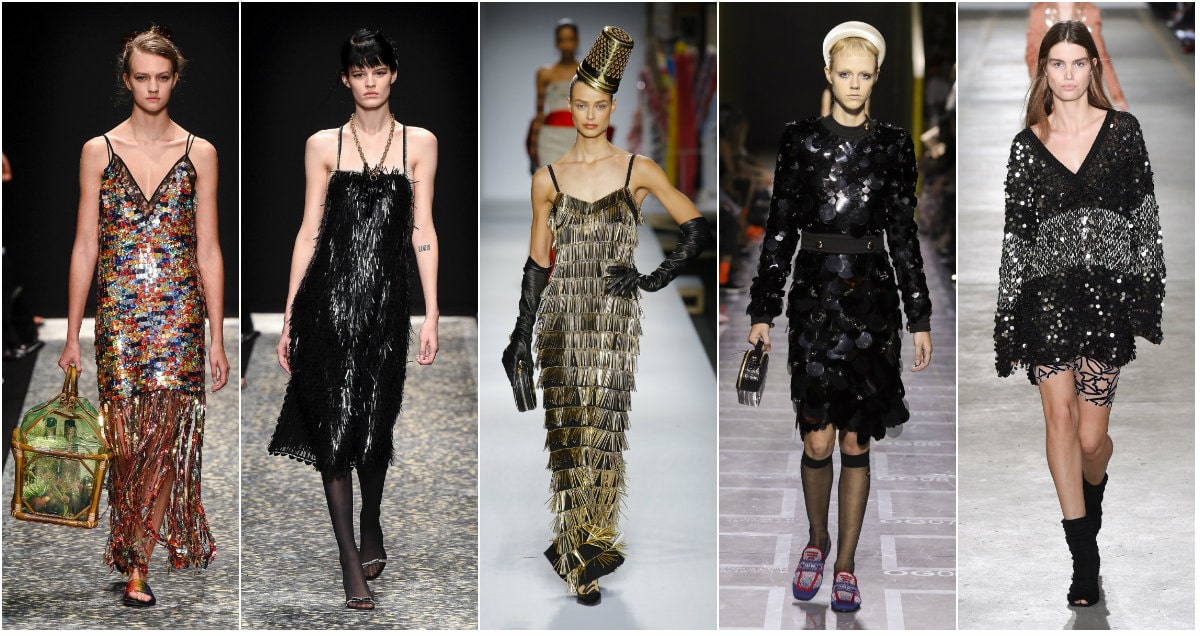
Sequins and embellishments are an evergreen addition as they peep through a garment or two in almost all the collections but with the winds of the trend of ‘Big and Opulent’ coming back from the 80s, sequins were now visible in sizes much bigger than they were before.
Designers used sequins that spanned more surface area than their past counterparts did. Large disc shaped sequins were more common than the others and were often paired with thicker metallic threads either as midriff panels or left loosely on the hems of the attires. Several longer sequins enveloping the ensembles in layers of gradation also appeared on the ramp giving the appearance of fringes and panels.
2. Outerwear in Brilliants
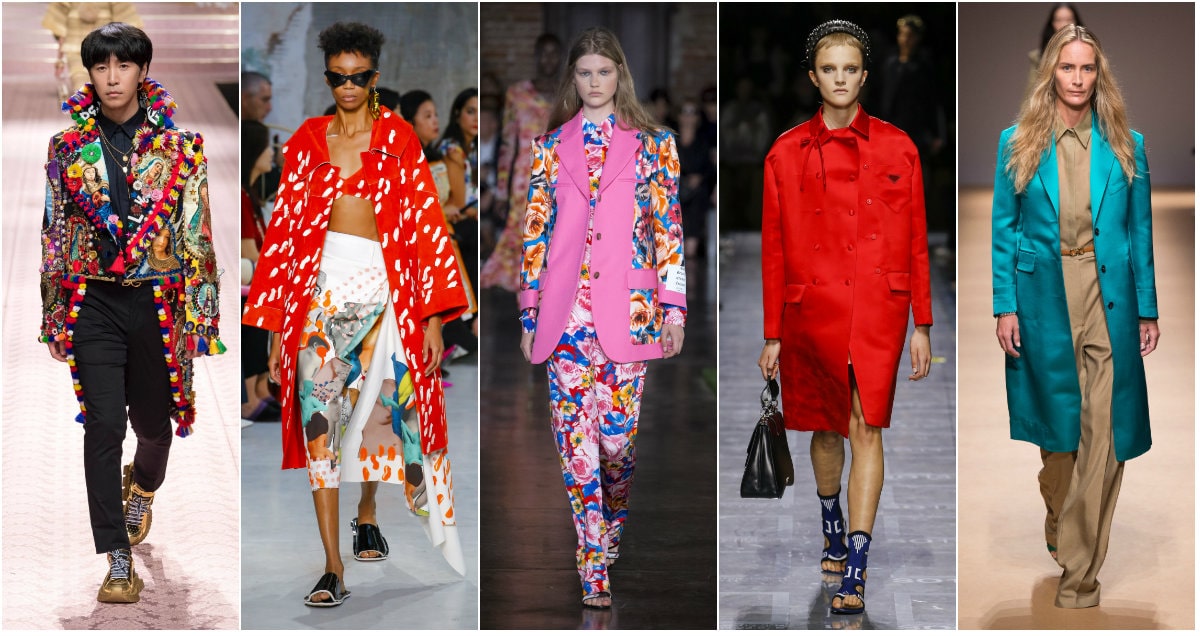
Summer trench coats, light blazers, and breezy bombers have been predicted for SS’19 and the runways of Milan saw an outburst of colours over this assortment of outerwear. Either laced with a myriad of popping prints or in bright and eye-catching solids, long outerwear pieces were staged as the central piece of the attire rather than a complementing layer.
Warm shades such as reds, oranges, and pinks were the most common of these colours and the ‘red coat’ became a signature element of many collections. Apart from this, the pieces highlighted several details such as contrasting belts and utility pockets, the carefully placed clash of solid and print panels as well as bigger embellishments like tassels and pom-poms.
3. Twist of Business

A major chunk of the population is steered towards casual comfort rather than constricting luxury that led to a revamp of the business attire to make them have a formal appeal and an ease of wear giving rise to Business Casuals.
The Milan Fashion Week saw an extreme end of this segment as casual garments were given a slight touch of crisp formal lines. Painted in quirky and bright prints such as irregular stripes or large-motif florals, conventional pantsuit sets were presented in various forms- using shorter lengths of the bottom-wear especially cycling shorts, without any layers of shirts, hybrids of shorts and pants, or chunky satin blazers paired with short shorts. They also carried a set of techniques signature to casual outfits such as bright applique work and splicing.
4. Mosaic of Colours

Not just limited to a couple of brights placed together, colours sprouted out in an effortlessly scattered manner with many contrasting and harmonious colour segments were place together on garments.
This juxtaposition took the aid of several techniques and materials such as differently coloured ruffled layers placed sequentially, a clash of printed florals, brushstrokes, tie and dyes, and placement prints on coordinated sets, dresses, and accessories, sequins of varying hues positioned randomly or a simple layering of multiple fabrics paired together to create a single garment.
5. Leather Every Way
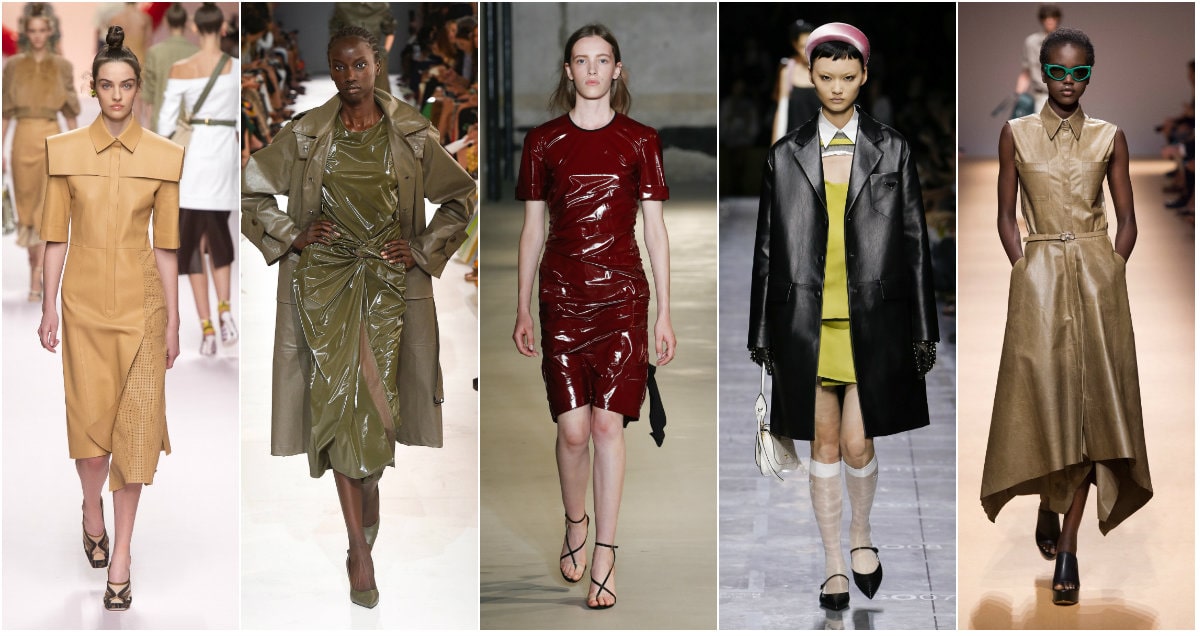
This season saw a plethora of leather and variations of faux leather utilized differently to create a range of garments that were not just limited to leather skirts or outerwear. Most common of these leather variations was Patent Leather as it was used in various dresses, skirts and tops finished using techniques such as draping, ruched panels, gathering, and other fabric manipulation forms.
The colours also steered away from conventional beige and blacks as maroon, olive, yellow, red, earthy browns and even lime green made their way on to the ramps. Some labels such as Fendi, also manipulated the surface of these leather fabrics to give them logoed texture finish.
6. Dash of Lime and Yellow

Yellow was the colour in trend throughout the Spring 2019 fashion runways and travelled from highlighter yellow to sunset brown, and finally the bright sunny hues too. For Milan, several adaptations of lime and bright yellow stood out in collections over a versatile range of fabrics like leather, PU, cotton, tulle, and nylon.
Most commonly, the colour shone through uni-colour layered outfits with accessories like belts and hats in the same shade, as art in fashion prints over white outfits, in gathered asymmetric dresses, and athleisure coordinated sets.
7. Florals Vivid and Real
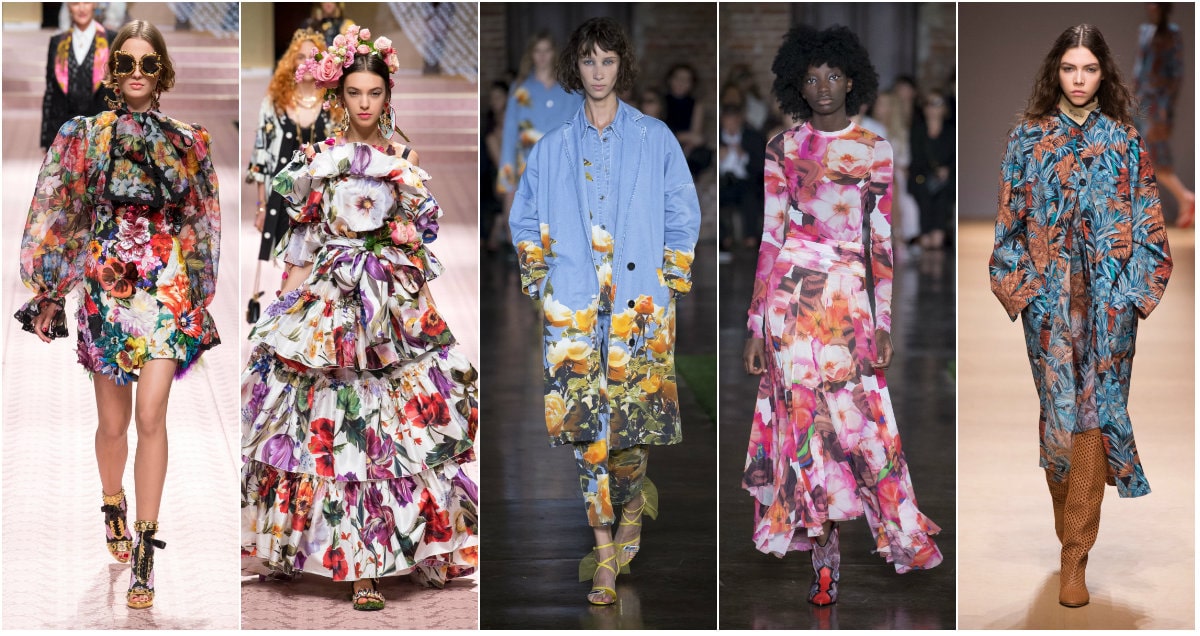
After passing through stages such as contrasting coloured florals to pastels and finally, moody florals with oriental influences, florals in Milan were adapted in their vividly natural form just like an everyday walk through a garden. These colour-abundant floral prints were set against softer tones like whites, pastel blues, and yellows.
Most of the motifs were inspired by photographic versions of flora that were larger and irregular in placement or featured a posy of flowers of varying hybrids.