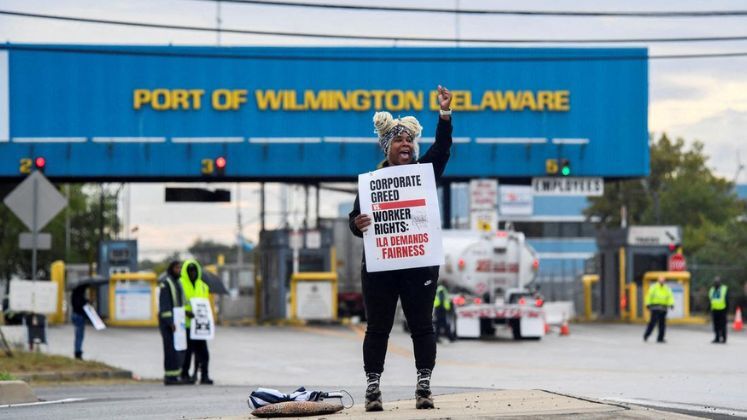
The Global Trade Research Initiative (GTRI) has reported that the strike at 14 major US ports, which started on Tuesday, is already impacting items like textiles by delaying the unloading and processing of cargo from India.
It stated that if the strike goes on, goods would have to be redirected to ports on the US West Coast or in Canada, which would increase expenses and lengthen transit times and perhaps raise prices for customers.
This might make matters worse for Indian exporters, who already have to deal with increased freight costs and delays as a result of Red Sea route interruptions. According to the report, both of these will compel ships to take a far longer path, and this diversion would result in a 2.5–3 times increase in travel time and expense, as well as thousands of extra km for internal movement within the US.
Since 1st October, some 25,000 dockworkers at ports on the US East and Gulf Coasts have gone on strike, closing 14 significant ports, including New York/New Jersey, Baltimore, Miami, and Houston.
As to the source, the number of container ships waiting to unload has grown from three to 45, and the backlog might double by the end of this week, potentially taking weeks or even months to clear. The strike is believed to be hurting the US economy between US $ 4.5 and US $ 7.5 billion a week.
The United States Maritime Alliance (USMX) has proposed a roughly 50 per cent salary increase over six years, while the International Longshoremen’s Association (ILA) is advocating for substantial wage increases and a prohibition on automation. Negotiations continue, but no agreement has been made. Although keeping an eye on the issue, the US Government has not intervened.