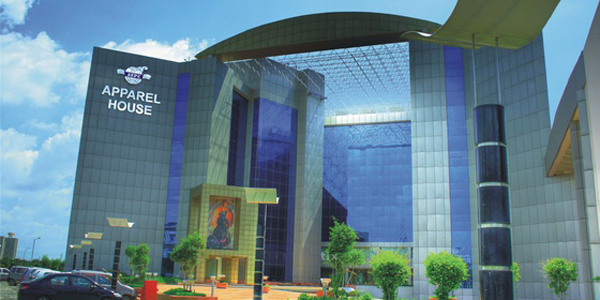
 The Apparel Export Promotion Council (AEPC) and the apparel exporters at large have opposed the Labour Ministry’s proposal to raise the minimum wage of contract labourers to Rs 10,000 per month, claiming that this move would raise the costs for the labour-driven sector, leading to a significant drop in exports as well as a decline in employment.
The Centre has proposed an amendment to the Contract Labour (Regulation and Abolition) Central Rules, 1971, which AEPC says will result in a hike in wages by up to 90 per cent in states like Odisha and Rajasthan and by about 30 per cent in most other states. AEPC claimed the higher wage burden could lead to a 10 per cent (₹10,000 crore) decline in export turnover, and a resultant dip in employment.
The Labour Ministry’s move is part of the government’s intent to stop exploitation of labour employed in the textile and apparel industry on a contractual basis.
“The industry witnesses peak demand between October and February, while orders decline by around 30 per cent in other seasons. With the proposed raise in wages, the industry will not be able to exercise its flexibility of engaging more labour to meet its peak-time demands, and will eventually lose to competitors in Bangladesh and China, who already have a cost advantage,” said Apparel Export Promotion Council (AEPC) Vice-Chairman HKL Magu.
The apparel manufacturing companies will now have to pay Rs 14,100 to a contract labourer, that is if the consequent increase in PF (12 per cent), ESI (4.75per cent) and Bonus (8.33per cent) and the service tax is taken into account, he added.
He went on to say that this move has been arbitrary on the part of the ministry, given that wages are fixed as per the work performed and on the worker’s skills.
According to the garment exporters, higher contract wages would also result in wage disparity with workers on the payrolls, which will eventually cause unrest within the industry.
In 2015-16, the apparel sector recorded an export turnover of Rs 1,11,235.5 crore, a 1 per cent year-on-year rise, despite a massive contraction in the country’s overall exports during the year.
Over 45 million people are directly employed by the apparel sector, while 60 million people are indirectly hired by the industry.