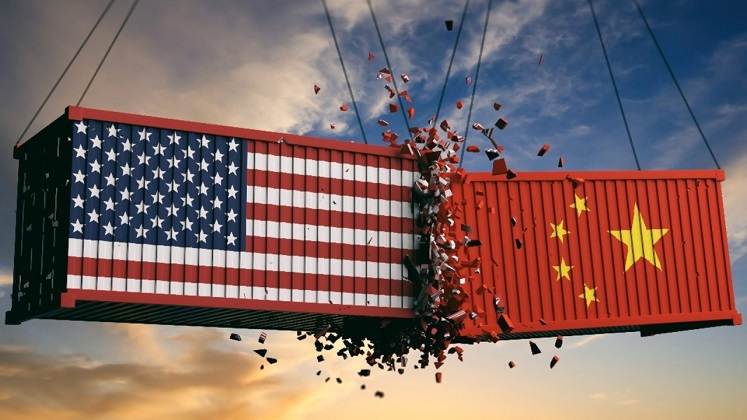
Non following of compliance is creating pressure on Chinese textile companies as the US has effectively banned all products made in part or entirely from cotton made in the Xinjiang Uygur autonomous region, including textiles and apparel.
Only 15 per cent of US cotton apparel came from China last year, down from 22 per cent in 2019, while imports of cotton textiles from China dropped by 4 percentage points to 27 per cent last year.
As per a report of South China Morning Post, the trend of US companies reducing their exposure to China’s textile and clothing suppliers has become a shift that is unlikely to reverse under the Biden administration, with Washington remaining committed to combating forced labour issues, according to trade data and an industry expert.
Sheng Lu, an associate professor of fashion and apparel studies at the University of Delaware, says, “We shall not underestimate the impact of non-economic factors on China’s prospect as an apparel-sourcing destination in 2021. Notably, the reported forced labour issue related to Xinjiang, China, and a series of actions taken by the US Government have significantly affected US cotton apparel imports from China.”
It is pertinent to mention here that last year, China’s share in the US apparel market fell to a decade-low of 23 per cent when measured by value, according to data from the Office of Textiles and Apparel under the US Department of Commerce.
In contrast, the combined market share of China’s major competitors in Asia, including Vietnam, Bangladesh, Indonesia, India and Cambodia, rose to a new high of more than 42 per cent in 2020, up 7 percentage points from year earlier.
At the same time, the US trade data also showed that the sourcing advantage in Asia could not be easily replaced by countries close to the US, even as near-shoring gains popularity during the pandemic.