Safety improvements in the readymade garment manufacturing factories in Bangladesh, especially in the aftermath of the tragic Rana Plaza building collapse in 2013, came in for applause from experts and policymakers, who met at a panel discussion on the sidelines of Asian Development Bank’s (ADB) annual meeting held recently in Frankfurt.
Also Read – Bangladesh Govt scrutinising over 80 garment factories on compliance issues
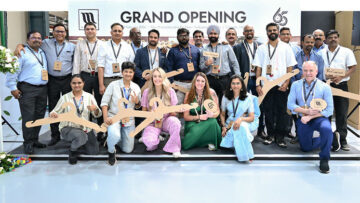
Attended by the Director General of the Federal Ministry of Labour and Social Affairs of Germany, Susanne Hoffman; Deputy Director General of International Labour Organisation (ILO), Gilbert Houngbo; General Counsel of ADB, Christopher Stephens and Chairman of Viyellatex Group &leading Bangladeshi garment exporter, David Hasanat besides others, the panellists highlighted the improvements made by the Bangladesh garment industry in terms of workplace safety.
“Good companies provide conducive work environment…It is nice to see that Bangladesh is feeling the need to improve working conditions in their factories,” said Hoffman, while the Deputy Director General of ILO maintained that pressure that comes from inside helps things become sustainable. Houngbo also commended Bangladesh for allowing union activities in its garment factories.
Also Read – ADB to provide US$30 million loan to upgrade garment factories
Participating in the discussion, Hasanat observed that Rana Plaza collapse was a wakeup call for factory owners and the Government for improving the working conditions of the production units, who went on to underline that according to Accord and Alliance – two forums of Western buyers inspecting the garment factories in Bangladesh – less than three per cent of the factories are yet to become compliant.
The Chairman of Viyellatex Group reportedly also maintained that western buyers have their own officials to check quality of products in Bangladesh, but they recruit none to oversee and ensure occupational health and factory environment.