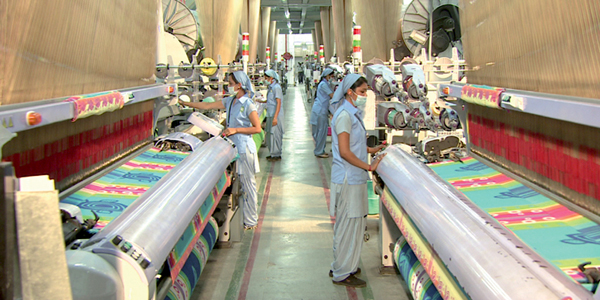
According to reports, even though readymade garment (RMG) exports from Bangladesh registered a mere 4.08 per cent growth in the the fiscal 2014-15, import of raw materials — especially raw cotton, cotton yarn, woven fabrics and synthetic fibres, aimed at feeding the local textile and readymade garment industries — witnessed a marked increase of about 5-10 per cent.
This has now raised serious questions on the existing disparity between the volume of imported raw materials and related export of RMG products with many reportedly hinting towards a possible leaking of imported raw materials into the local market as a probable reason for this gap.
Also Read – Irregularities rampant in Bangladesh’s RMG supply chain: Study
The recent seizure of huge quantity of fabrics from various parts of the country by the Directorate of Customs Intelligence and Investigation (DCII) has added a further twist to this issue. The reported seizures are now said to have led the National Board of Revenue (NBR) to crackdown on the errant traders, who were allegedly misusing the bonded warehouse facility. Under the existing facility, the export-oriented industries are allowed to import duty-free fabrics, of which at least 80 per cent of fabric imported under the facility must be exported while the rest 20 per cent are allowed as waste.
There are, however, allegations that a certain section of businessmen misuse the bonded warehouse facility by selling the duty-free imported raw materials and finished goods in local market instead of using them in their own production line.
Also Read – Bangladesh Commerce Minister for legal action against TIB
It may be mentioned here that a recent report of the Transparency International Bangladesh (TIB) pointed out the alleged malpractices in the garment supply chain of Bangladesh, which evoked some strong reactions from the industry.