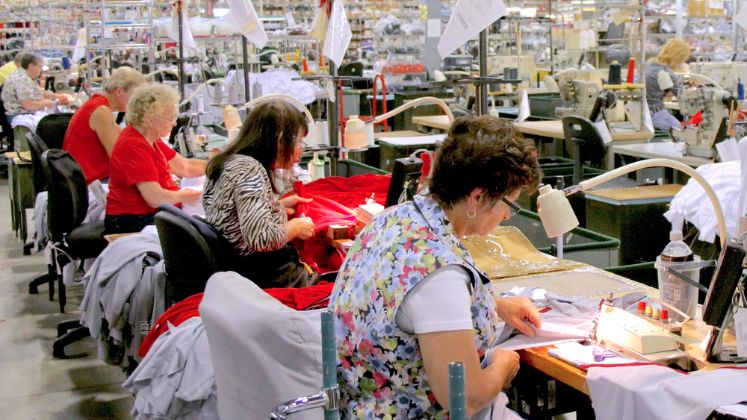
US Senator Kirsten Gillibrand has reintroduced the Fashioning Accountability and Building Real Institutional Change (FABRIC) Act to combat subminimum wages, enhance transparency, and support domestic garment manufacturing.
Senator Gillibrand’s FABRIC Act aims to provide safeguards for almost 100,000 American garment employees while also reviving the domestic clothing manufacturing industry in an effort to solve long-standing issues faced by garment workers.
The FABRIC Act is built on the following four tenets:
- Ensuring that the minimum wage serves as a floor and that productivity incentives are added on top by altering piece-rate pay systems to combat subminimum earnings.
- Putting in place new liability regulations that force big retailers to cooperate in the fight against labour laws.
- Introducing steps for record-keeping and openness.
- Establishing a domestic garment manufacturing support programme with the goal of reviving the American sector.
The bill asserts that the US garment industry has suffered serious losses, losing more than US $ 23 billion yearly as a result of soaring imports from China, noting that imports from China to the US are now more than eight times higher than they were in the 1980s. Between 1995 and 2020, China added around 1.25 million employment in the garment industry, while the US lost about 700,000 jobs.
It asserts that the financial strain has been made worse by the global fast fashion industry’s explosive growth, which frequently puts profit margins ahead of the welfare of workers, as well as by pandemic-related disruptions in global supply chains and the fast fashion business model’s rising popularity, all of which have only made these long-standing problems worse.
The FABRIC Act has garnered broad support, with Senators Cory Booker, Dianne Feinstein, Alex Padilla, Bernie Sanders, and Elizabeth Warren serving as original cosponsors.