Sustainability is increasingly shaping how apparel factories operate, but it is often seen as a goal that only large companies with deep pockets can realistically achieve. For small and medium manufacturers, high costs, limited resources, and tight margins are usually viewed as major barriers to meaningful sustainability action.
However, industry experience suggests that with a structured and consistent approach, even MSME units can make steady progress on energy, water, waste, and emissions. Incremental changes, long-term planning, and operational discipline can play as important a role as scale or capital.
In Tirupur, India’s largest knitwear cluster, SAGS Apparels provides one such example. The MSME garment exporter has incorporated sustainability-focused measures into its factory design and daily operations, including energy-efficient building features, water-saving techniques, use of organic raw materials, EV charging facilities for employees, among other initiatives.
Established over two decades ago, the company has grown from a team of around 30 people to more than 400 employees, with an annual production capacity of close to 3 million knitted garments. SAGS Apparels is the first ever industrial project in Asia to achieve LEED® Zero Energy Certification from the U.S. Green Building Council (USGBC).
Apparel Online recently visited the factory and spoke with MD Ganesh Anantharaman to unravel the company’s sustainability journey.

| Our objective has always been to reduce carbon emissions, and today our garment facility has achieved LEED® Zero Energy Certification from the USGBC. People and the planet are at the heart of everything we do.” Ganesh Anantharaman, MD, SAGS Apparels |
The Trigger: Compliance and Business Continuity
As an MSME, the company, like others, faced challenges such as high upfront investment requirements, limited access to green-certified materials, the need to align internal teams around long-term goals, and the task of demonstrating measurable returns from sustainability initiatives.
“Progress was made through phased implementation, performance tracking, and by treating sustainability as part of routine operations rather than as a marketing exercise,” said Ganesh.
Alongside these internal constraints, external pressures also began to intensify. As environmental requirements from global buyers, particularly in Europe, became stricter, discussions increasingly focused on transparency, carbon emissions, and energy sources. At the same time, climate-related risks and resource constraints highlighted the link between responsible operations and long-term business continuity. For the company, the question shifted from whether sustainability should be addressed to how far such measures could be implemented within the limits of an MSME.
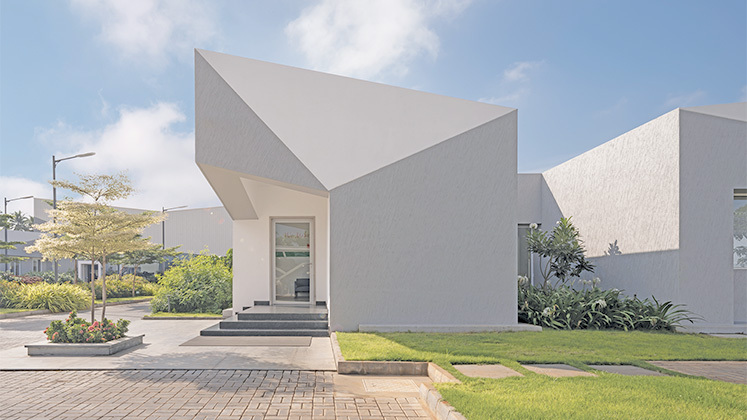
The company responded by building a purpose-designed facility that prioritized energy efficiency and sustainability from day one. The 52,900 sq.ft. facility was developed as a LEED Platinum–certified building, the highest level awarded by the U.S. Green Building Council.
“Its design focuses on lowering energy demand through building orientation that reduces heat gain, roofing materials with high solar reflectance, extensive use of natural lighting, and evaporative cooling systems in place of air-conditioning. Roofing sheets with a high Solar Reflectance Index help maintain lower indoor temperatures and reduce overall energy consumption,” stated Ganesh.
The site layout also includes green areas, with about one-third of the factory land allocated to trees and plants. These measures have helped lower emissions when compared with conventional factory buildings. After energy use was optimised, the company installed a 250 kW on-site solar power system. The system generates more electricity than the factory requires over a year.
Extending Sustainability Beyond Energy Use
While LEED Zero Energy is a key outcome, it is part of a wider sustainability framework followed by the company. Production is based entirely on 100% organic and FairTrade cotton products, including T-shirts, sweatshirts, jackets, and infant wear, with an emphasis on traceability and responsible sourcing. The factory holds certifications such as GOTS, Fair Trade, Fair Wear, OEKO-TEX®, Cradle to Cradle Gold, amfori, LEED Platinum, and LEED® Zero Energy Certification.
Waste management systems are in place to ensure that textile cutting waste, packaging waste, and electronic waste are recycled or processed responsibly. Around 20% of production capacity is allocated to garments made from recycled materials, supporting circularity and long-term net zero objectives.
Water management includes rainwater harvesting through a five-lakh-litre underground tank, groundwater recharge, and planned water use across operations. An in-house sewage treatment plant enables water to be reused, ensuring that the volume of water replenished and reused matches or exceeds annual consumption.
Furniture used across the facility is made from materials that are either Cradle to Cradle–certified or contain 60% to 70% recycled content. Employees also undergo regular training sessions focused on environmental practices and workplace sustainability.
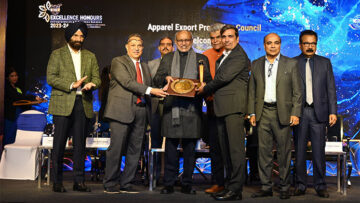
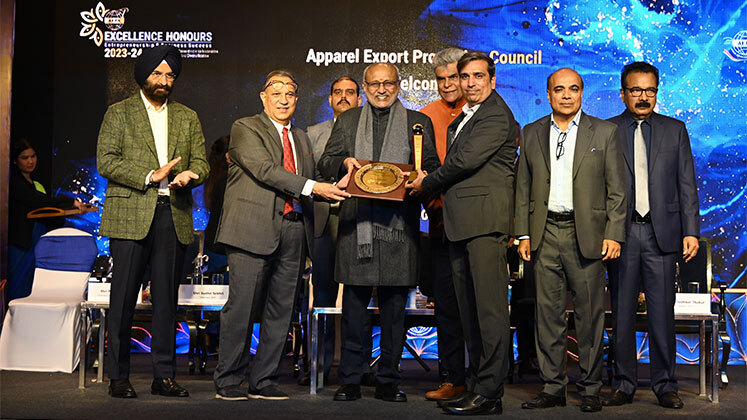
The company’s sustainability efforts have also been recognised through industry and trade awards. These include the German Sustainable Award in 2020, the 2025 Fairtrade Award for Sustainable Textile Production, and the most recent AEPC ESG Award.
“We want to convey to India’s manufacturing ecosystem, especially MSMEs, that scale is not a prerequisite for sustainability. With intent, design intelligence, and disciplined execution, MSMEs can lead the transition to low-carbon manufacturing, creating healthier workplaces, stronger buyer relationships, and future-ready businesses,” concludes Ganesh.