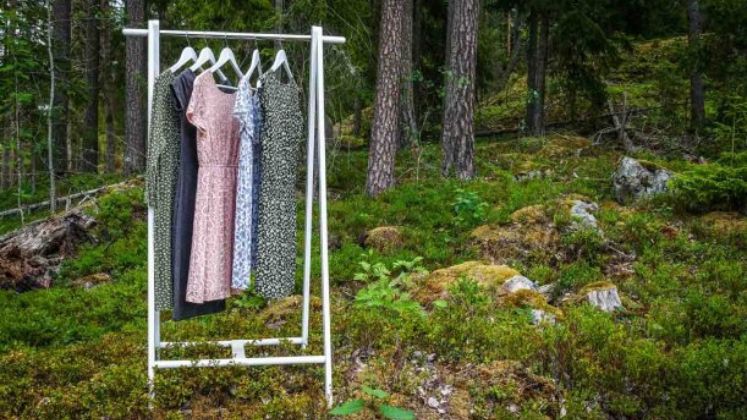
The results of a recent consumer survey, which examined consumer awareness, attitudes, and expectations around the usage of forest fibre in fashion collections, such as viscose and lyocell, were released by the PEFC, or Programme for the Endorsement of Forest Certification.
Fashion from Sustainable Forests examined trends in four major European markets: the UK, France, Italy, and Spain. The results showed a notable discrepancy between consumer expectations and perceived brand advancement.
Nearly three-quarters of consumers (74 per cent) think it is imperative that brands make sure the fibres used to make their clothing come from responsibly managed forests. Approximately the same per centage (76 per cent) would be alarmed if the fibres used to make their clothing had an adverse effect on the environment, such as deforestation, biodiversity loss, or climate change.
Seventy-six per cent of respondents think it’s critical that brands disclose the source of the fibres derived from forests that are used in their collections. Italian consumers rank this as the most important factor, with ninety per cent saying it’s critical that brands disclose the source of the fibres derived from forests in their collections.
Of the respondents, only 25 per cent think that fashion firms are doing a good enough job of addressing their worries about the environmental effects of garments created with fibres originating from forests. Additionally, more than three quarters (78 per cent) think that they should be doing more to source fibres from forests responsibly and to improve their sustainability efforts.
Additionally, just 18 per cent of respondents said there was enough information available online, and only 13 per cent thought brands provided enough sustainability information about forest-derived fibres like lyocell or viscose on garment labels in stores. Here, British consumers were the least satisfied (16 per cent), while French consumers were the most satisfied (38 per cent).
Customers who responded to the study indicated that they would be willing to pay more for garments manufactured from certified sustainable materials, with 59 per cent saying they would be willing to pay at least 10 per cent more.
When purchasing clothing, 59 per cent of shoppers said they always or occasionally look for sustainability labels, and 71 per cent said they would prefer to see certifications proving that the forest fibres came from responsibly managed forests. Additionally, nearly two thirds (64 per cent) said they would be inclined to buy apparel with certification labels, and more than 60 per cent said that having a sustainability label on an item of clothing had a favourable impact on their decision to buy.