Bangladesh needs to undertake targeted tax and fiscal reforms to accelerate the adoption of clean energy and reduce its exposure to volatility in global fossil fuel prices, according to a new study presented at an online workshop on Tuesday.
The findings were released by the South Asian Network on Economic Modeling (SANEM) in collaboration with the Tara Climate Foundation, following a year-long research initiative titled Bangladesh’s Energy Transition: Economic Resilience, Green Incentives and Industrial Efficiency. The study argues that the country’s existing tax structure, combined with a heavy dependence on imported fossil fuels, is constraining progress towards a more secure, resilient and environmentally sustainable energy system.
The research was shared during a virtual workshop attended by policymakers, academics and energy sector professionals. Discussions centred on the economic risks posed by rising fossil fuel prices, the role of fiscal policy in incentivising renewable energy adoption, and the need to improve industrial energy efficiency to maintain long-term competitiveness.
According to the study, Bangladesh’s reliance on imported fossil fuels is placing increasing pressure on foreign exchange reserves. It notes that any transition towards cleaner energy must be just and inclusive, with adequate technical preparedness and modern infrastructure to support people-centred outcomes.
SANEM presented the research in three parts. The first assessed the macroeconomic and welfare impacts of global fossil fuel price shocks, concluding that price increases lead to lower GDP growth, higher inflation and disproportionate adverse effects on poor and rural households. The study recommends a combination of coordinated fiscal and monetary policies, accelerated deployment of renewable energy and strengthened social protection measures to cushion vulnerable groups.
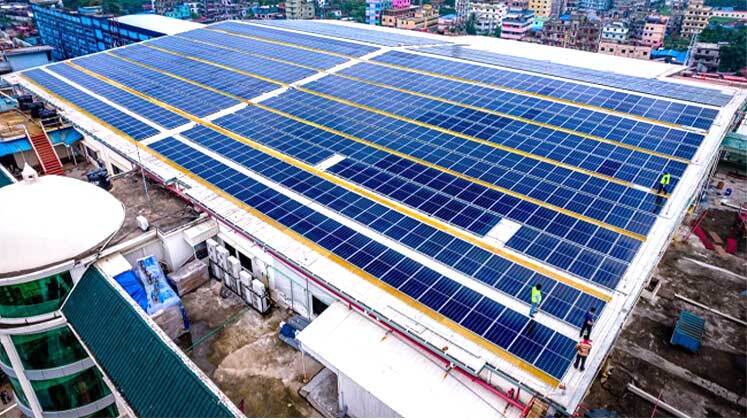
The second component examined Bangladesh’s current tax regime for renewable energy equipment. It found that relatively high taxes on products such as solar panels, inverters and batteries are increasing costs and slowing adoption. While full tax exemptions could result in revenue losses, the study suggests that targeted tax reductions on renewable technologies with high demand elasticity could deliver substantial welfare benefits with limited macroeconomic impact. It also calls for wider implementation of net metering, enhanced green refinancing facilities and the establishment of a credible green bond market.
The third component focused on industrial energy efficiency, highlighting that industry accounts for nearly half of Bangladesh’s total energy consumption. Despite the presence of policy frameworks, implementation has been weak. The study recommends the introduction of a dedicated and mandatory industrial energy efficiency policy to boost productivity, strengthen energy security and support sustainable industrial expansion.
Participants in the panel discussion broadly agreed that tax reform represents a key policy lever for accelerating clean energy adoption. They emphasised that evidence-based policymaking, improved institutional coordination and transparent governance would be critical to ensuring a successful and equitable energy transition for Bangladesh.