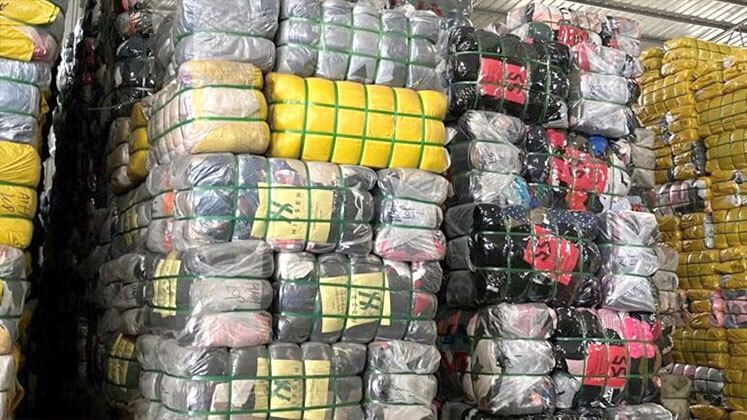
The Secondary Materials and Recycled Textiles Association (SMART), a leading international trade group, has raised strong objections to proposals that would classify used textiles as “hazardous waste” under global regulations. The organisation cautions that such a move could dismantle established circular-economy systems that currently support millions of jobs and significantly reduce landfill volumes.
According to SMART’s head of government affairs, Jessica Franken, the association believes used textiles form the backbone of the circular economy and should not be categorised as waste. Franken argued that reclassifying secondhand clothing as hazardous or waste would risk destroying a system that is already delivering environmental and social benefits at scale.
SMART maintains that current proposals under the Basel Convention rely on flawed or incomplete data. The group argues that peer-reviewed studies show unusable items make up only a small share of secondhand textile flows, undermining the rationale for categorising these materials as waste.
The association emphasises the economic importance of the secondhand clothing trade, noting that it supports livelihoods in Africa, Latin America, Asia and Europe. SMART reports that this trade provides millions of jobs, stimulates small businesses and entrepreneurship, creates accessible clothing markets and contributes to both GDP and government revenues.
SMART stresses that reuse plays a critical role in reducing the environmental impact of textile production by extending garment lifecycles. It says removing this option would set back progress towards sustainable consumption and production models.
The organisation argues that secondhand textiles do not meet recognised criteria for hazardous waste, except when contaminated, and that applying strict Basel controls would mischaracterise the materials.
SMART further contends that textile waste should not be equated with plastic waste, as garments are inherently designed for reuse and recyclability rather than single-use disposal. It says concerns like microfibre pollution should be addressed through product design reform and producer-responsibility measures, not trade barriers.
The association urges the United Nations Environment Programme (UNEP) and Basel Convention parties to clearly differentiate between reusable textiles and genuine waste within international policy frameworks, including HS codes 6309 and 6310. It calls for the protection of legitimate circular-trade flows and the rejection of proposals to classify secondhand textiles as hazardous or to subject them to Prior Informed Consent requirements.
Instead of downstream restrictions, SMART recommends that policymakers focus on upstream drivers of textile waste—particularly overproduction and fast-fashion models—through Extended Producer Responsibility systems targeting manufacturers and brands.