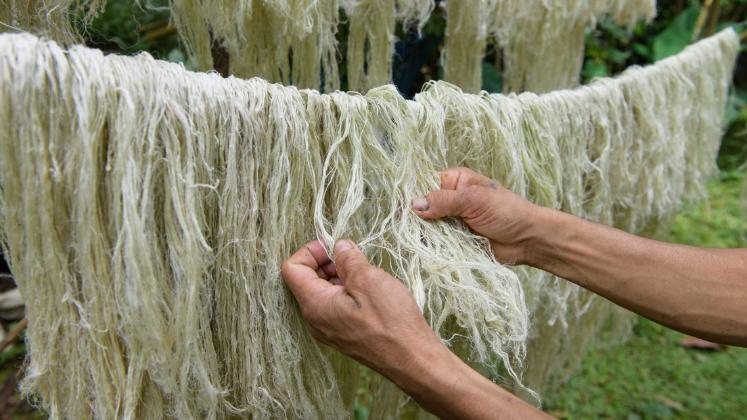
Professor Thomas Gries of RWTH Aachen University, Germany, has presented a project research focusing on the utilisation of pineapple fibres in the apparel industry. This initiative involves the characterisation of 100 Colombian/Thai pineapple cultivars, aiming to enhance the understanding of pineapple traits.
The PiñaFibre project aims to repurpose plant waste, specifically pineapple leaves, from pineapple production into sustainable fibres, thereby establishing a value chain for the bio-based industry. The project will involve the production and assessment of value-added resources like nano-coated fibres, composites, and exemplary yarns derived from PALF, focusing on their properties, value chain integration, and market viability.
Significant interest has already been expressed by stakeholders in Germany regarding PALF as a sustainable resource for bio-based textile and composite manufacturing. Additionally, PALF presents an opportunity to create a new market for farmers in tropical regions, offering a potential secondary income stream through the cultivation of a drought-tolerant crop that yields both fruit for local and export markets and PALF for industrial use.
To ensure sustainable production practices, the project will support the development of new pineapple cultivars through breeding programs, establish phenotyping and genotyping methods, and identify genetic markers associated with economically important traits. This approach aims to facilitate targeted breeding efforts for a dual-purpose crop that yields both fruit and fibre, catering to the needs of various stakeholders.
PiñaFibre receives funding from the Federal Ministry of Education and Research through Project Management Jülich – PTJ, enabling the advancement of sustainable practices in the apparel industry.