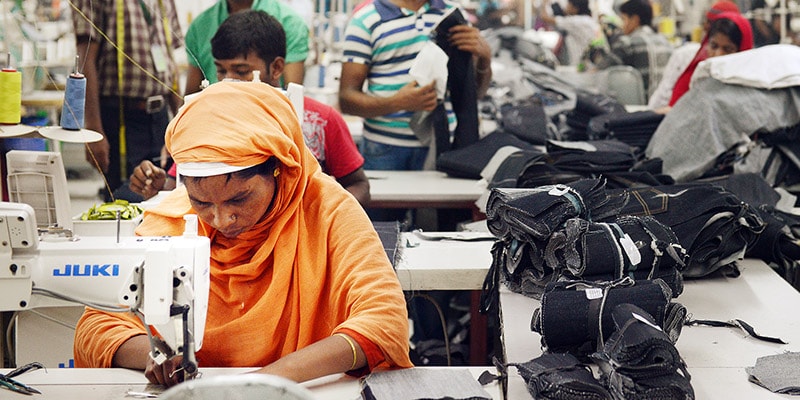
The Organization for Economic Cooperation and Development (OECD) has introduced new due diligence guidance for the readymade garments (RMG) and footwear sectors in Bangladesh, at the recently held conference at OECD Conference Centre, Paris, France.
The guidance named “Due diligence in the garment and footwear sector” will represent a move beyond voluntary, non-binding auditing and corporate social responsibility initiatives, which have done little or nothing to protect and improve the rights of workers.
It may be mentioned here that the tragic collapse of the Rana Plaza factory of Bangladesh in 2013 brought global attention to the risks of severe adverse impacts in garment manufacturing units. Launched close to four years later, the guidance will help companies identify and prevent potential negative impacts related to human rights, labour, the environment and corruption in garment and footwear supply chains across the country.
Also Read – Argentina updates regulations for textiles & apparels
The guidelines offer comprehensive and Government-backed recommendations to businesses that address risks they may face in both manufacturing and sourcing materials. It also includes various modules on sector risks, including child labour, sexual harassment and gender-based violence, forced labour, working time, occupational health and safety, trade unions and collective bargaining, and wages as well as environmental hazards.
By creating mechanisms that link unions, buyers and suppliers, OECD aims to create a framework for genuine supply chain industrial relations for a fair and stable global garment industry. It sees workers not as peripheral to the due diligence process but core to it.