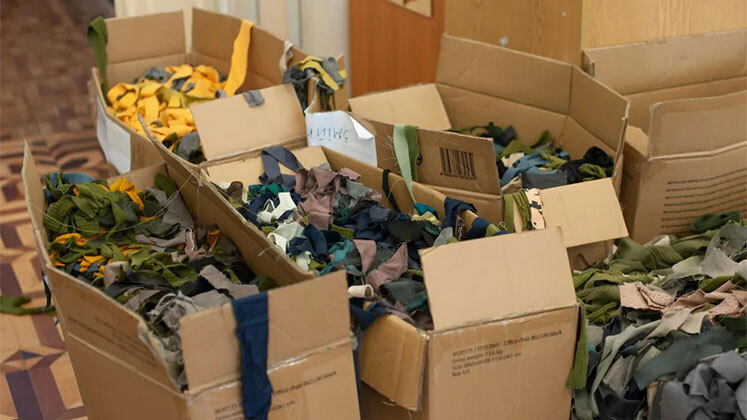
Japan has announced an accelerated strategy to reduce household clothing waste by 25% by fiscal 2030 compared with fiscal 2020, signalling a major shift in policy to address mounting environmental concerns associated with the fashion and textile sector. The target is part of a broader national effort to curb the environmental footprint of garment production and consumption, particularly in light of the industry’s resource intensity and waste generation.
According to the Environment Ministry, an estimated 60% of clothing sold in Japan is discarded without being reused, highlighting inefficiencies in garment lifecycle management and the need for systemic change. The new commitment aims to strengthen incentives for reuse and recycling, extend the effective lifespan of garments and foster innovation in sustainable practices across the private sector.
Officials from the ministry have indicated that a comprehensive action plan will be finalised by March 2026 to guide implementation. The plan is expected to outline roles and measures for consumers, local governments and businesses, including enhancing clothing collection systems, boosting reuse markets and improving textile recycling technologies.
At present, reuse of secondhand apparel and recycling of textile fibres remain limited, partly due to the diverse range of materials in modern clothing that complicates recycling processes.
The government’s policy initiative coincides with global concern over the fashion industry’s environmental impact, with textile waste and overconsumption contributing significantly to carbon emissions, water usage and landfill burdens. According to industry estimates, worldwide textile waste amounts to tens of millions of tonnes annually, making the sector one of the largest contributors to environmental degradation.
Under the forthcoming framework, the government is expected to encourage local authorities to improve collection and reuse infrastructure and to urge apparel manufacturers to design products that are easier to maintain, repair and recycle. This multi-stakeholder approach reflects the broad scope of the challenge, which spans production, consumption and end-of-life garment management.
Analysts say Japan’s target reflects a growing recognition of the need for circular economy principles in the textile industry, and could act as a catalyst for similar efforts in other major apparel markets.