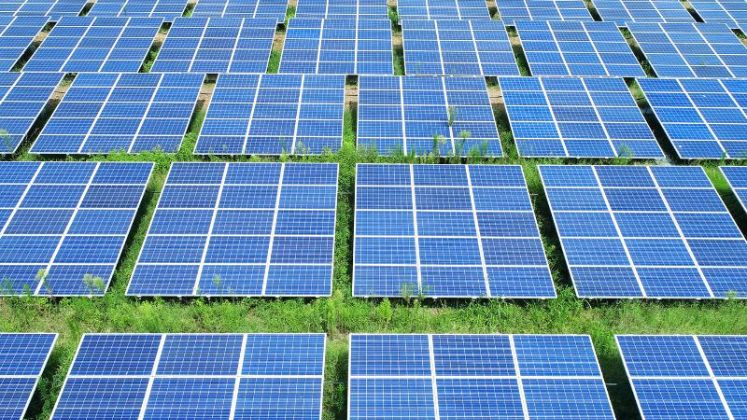
In India, various measures are being implemented within the textile sector to decrease greenhouse gas emission intensity. State Governments are playing a crucial role by offering subsidies that encourage the adoption of renewable energy. For instance, in September 2023, the Maharashtra Government introduced a capital subsidy for textile units installing solar power projects with a capacity of up to 4 MW. Similarly, Haryana’s Textile Policy 2022-25 provides financial support of up to Rs. 50 lakh9 for MSMEs to install rooftop solar systems.
These initiatives are helping textile units across the country reduce energy costs while enhancing sustainability. A notable example is Sirsa-based Sharda Cotton Industries in Haryana, which recently installed a 400 kW rooftop solar system. This installation, commissioned by ARM Renewables with equipment supplied by Waaree and Sungrow, is expected to generate 570,000 units of power annually, leading to a projected saving of Rs 40 lakh in electricity costs.
Raghav Aggarwal, Managing Partner at ARM Renewables, emphasised the impact of Government subsidies on promoting solar adoption among MSMEs. He highlighted that industries across Haryana and Punjab, including agro-based sectors and spinning mills, are increasingly turning to solar energy to cut costs and support sustainable practices.