Time and again various reports on living conditions of garment workers have come up, highlighting the issues they face while stitching clothes for leading apparel retailers globally… And now, Asia Floor Wage Alliance (AFWA), a coalition of trade unions and labour rights groups, recently surveyed apparel factories in Cambodia and India that supply clothes to the Swedish fashion giant H&M.
Also Read – Remediation progress ‘significant’ in supplier factories, says H&M
In Cambodia, AFWA conducted a study at factories – Eastex Garment Co. Ltd., Fu Ling Computer Embroidery Co. Ltd., Seduno Investment Cambo Fashion Co. Ltd., Vanco Industrial Co. Ltd., Berry Apparel Cambodia Co. Ltd., M&V (Cambodia) International Manufacturing Ltd., Perfect Growth Private, and Tak Son Cambodia (Laundry) – where it interviewed 201 workers engaged in producing H&M apparels within Phnom Penh, Cambodia and surrounding areas. The association also piloted a survey at leading Indian units, namely Shahi Export Pvt. Ltd., Maharani of India, Jak Group, and Orion Conmerx, covering 50 workers producing H&M garments within the Delhi-NCR region.
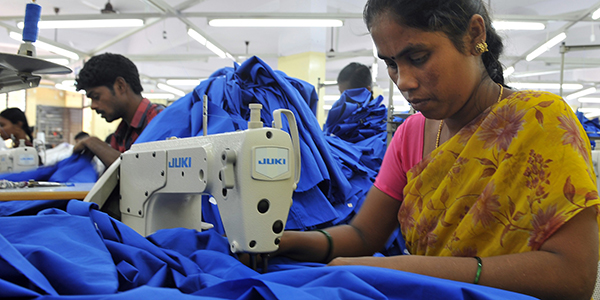
According to the study, garment workers at these units face problems such as fixed-term contracts, forced overtime, loss of job if pregnant and low wages. The report shows that the fashion retailer is some-how failing in living up to its commitment on improving lives of workers at its supplying factories.
India is certainly a priority market for H&M where it is working to expand its reach on a very large scale… But the study states that garment workers (in India) are being asked to work until 2 a.m. in order to meet production targets, and then to report back at 9 a.m. Even Cambodia has a very significant place for the retailer, but here also the workers have to do two hours of overtime daily.
Also Read – H&M leading fair living wage initiatives in Bangladesh, Cambodia
Affirming retailer’s vow on improving lives of garment workers, Thérèse Sundberg, an H&M official told Thomson Reuters Foundation, “The report raises important issues and we are dedicated to contribute to positive long-term development for the people working in the textile industry in our sourcing markets. The issues addressed in the report are industry-wide problems. They are often difficult to address as an individual company and we firmly believe that collaboration is key.” Sundberg also informed that the fashion firm has joined forces with International Labour Organization, Swedish International Development Cooperation Agency, and other global and local trade unions to work in this direction.