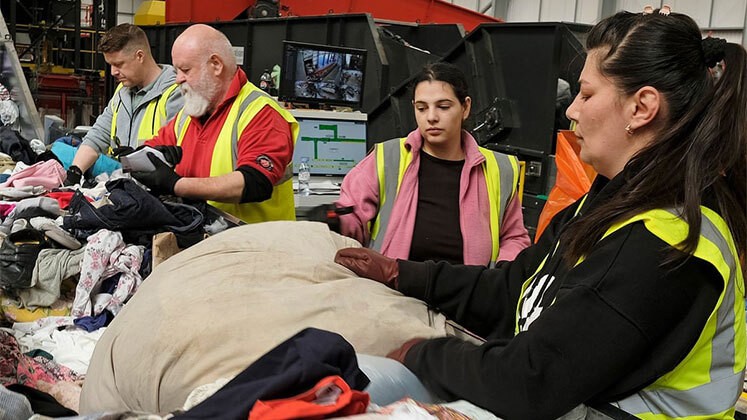
A Finnish research initiative, Telavalue, has concluded that large-scale textile recycling could help bring significant parts of the textile production chain back to Europe, creating substantial new business opportunities for the region. The project found that Europe discards around 10 billion kilograms of textile waste every year, representing vast untapped economic potential given that textile fibre is typically valued between two and three euros per kilogram.
According to Ali Harlin, research professor at the VTT Technical Research Centre of Finland, the scale of textile waste alone demonstrates the opportunity for Europe to develop a robust recycling ecosystem. He indicated that genuine progress would depend on regulatory support, noting that measures such as the Waste Framework Directive would need to be fully in place before recycling rates could rise meaningfully across the continent.
Harlin also suggested that Europe could support between five and ten chemical recycling plants in the future. He explained that each chemical recycling facility would require the output of roughly ten mechanical fibre recycling plants to ensure sufficient raw material supply.
Pirjo Heikkilä, principal scientist at VTT, stated that mechanical recycling should remain the primary option for textile recycling, reserving chemical processes for pure polyester or lower-quality, heavily worn materials. Harlin added that recycled fibres could also be used to enhance products such as concrete and asphalt.
Low-quality or mixed-composition textiles remain challenging to recycle profitably, but VTT senior scientist Eetta Saarimäki noted that thermomechanical recycling offers a viable route by converting these materials into plastics and composite products.
The Telavalue project evaluated recycling technologies by examining their value, cost efficiency and environmental impact, providing one of the most comprehensive assessments to date of Europe’s potential to build a modern, competitive textile recycling industry.