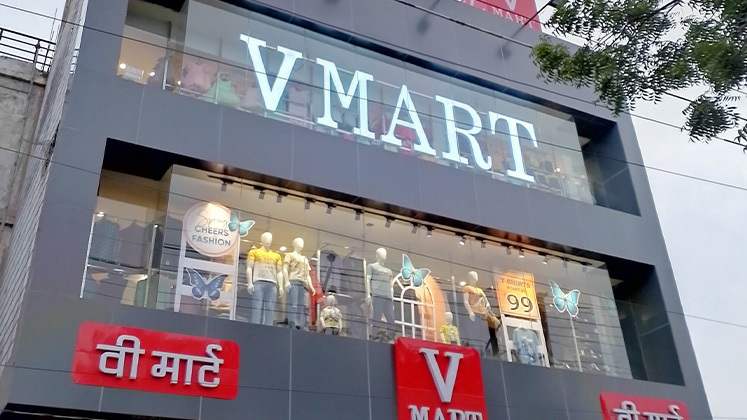
Value fashion retailer V-Mart is expected to benefit from improving disposable incomes in rural and semi-urban India, supported by government welfare measures such as free food schemes and cash transfers. With essential consumption increasingly secured, spending is gradually shifting towards discretionary and aspirational categories, favouring organised value retailers.
This trend is accelerating the move from unorganised to organised retail in Tier-2 and smaller towns, where V-Mart operates as a one-stop apparel and lifestyle destination. Consumers in these markets are showing a growing preference for organised stores offering wider assortments, consistent pricing and better shopping environments.
Over the FY ’25–FY ’28 period, V-Mart is projected to deliver revenue growth of around 18% annually, driven by store additions of about 13% per year and mid-single-digit same-store sales growth. Expansion in under-penetrated towns remains central to the company’s strategy.
Profitability is also expected to improve, supported by a sharp reduction in losses at digital fashion platform LimeRoad, better productivity at newer Unlimited format stores and tighter cost controls. EBITDA margins are forecast to expand by around 290 basis points to nearly 7.2% by FY ’28, driving an estimated earnings growth of about 39% over the same period.
Market observers increasingly view V-Mart as a key beneficiary of structural changes in India’s retail landscape, as rising rural incomes, demand for affordable fashion and a preference for organised retail support long-term growth.